
Last updated November 22, 2026
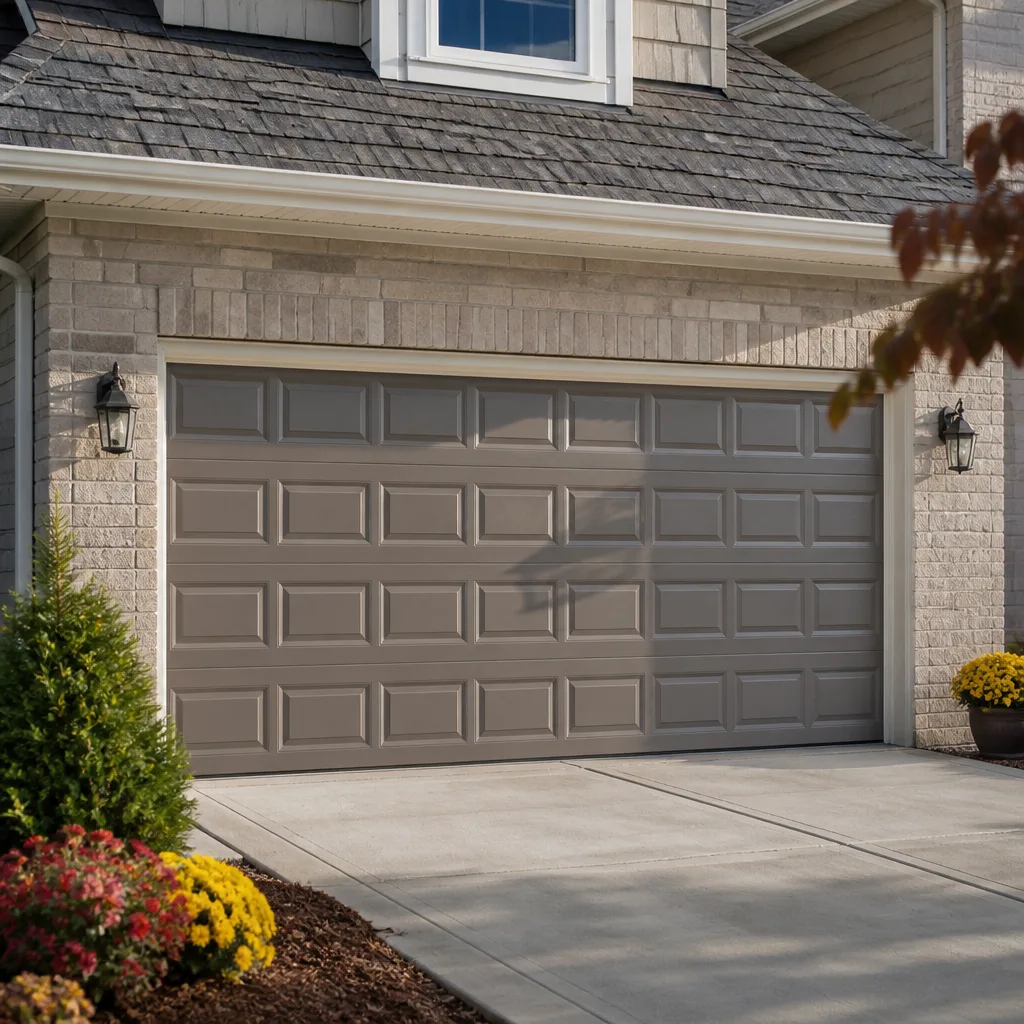 Raised-panel steel
 Carriage house
 Modern flush
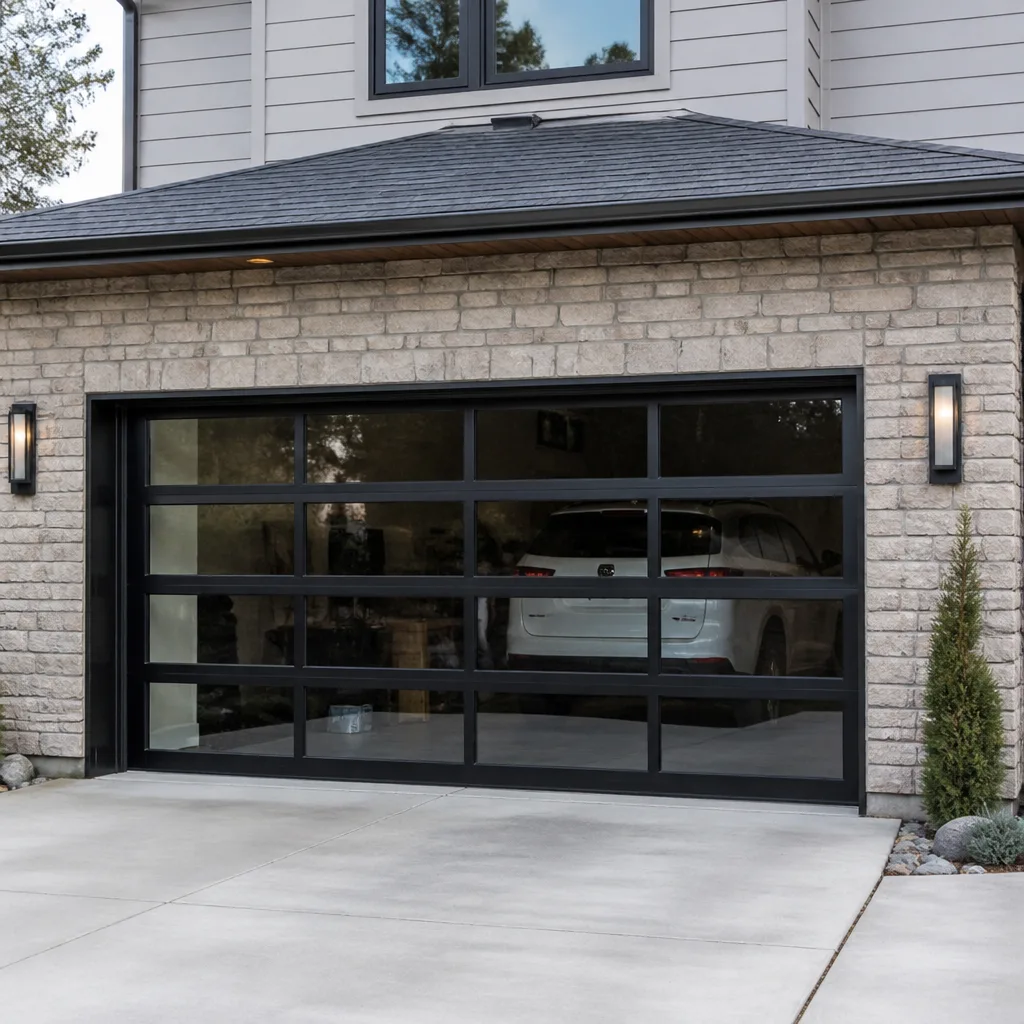 Full-view glass
 LiftMaster openers
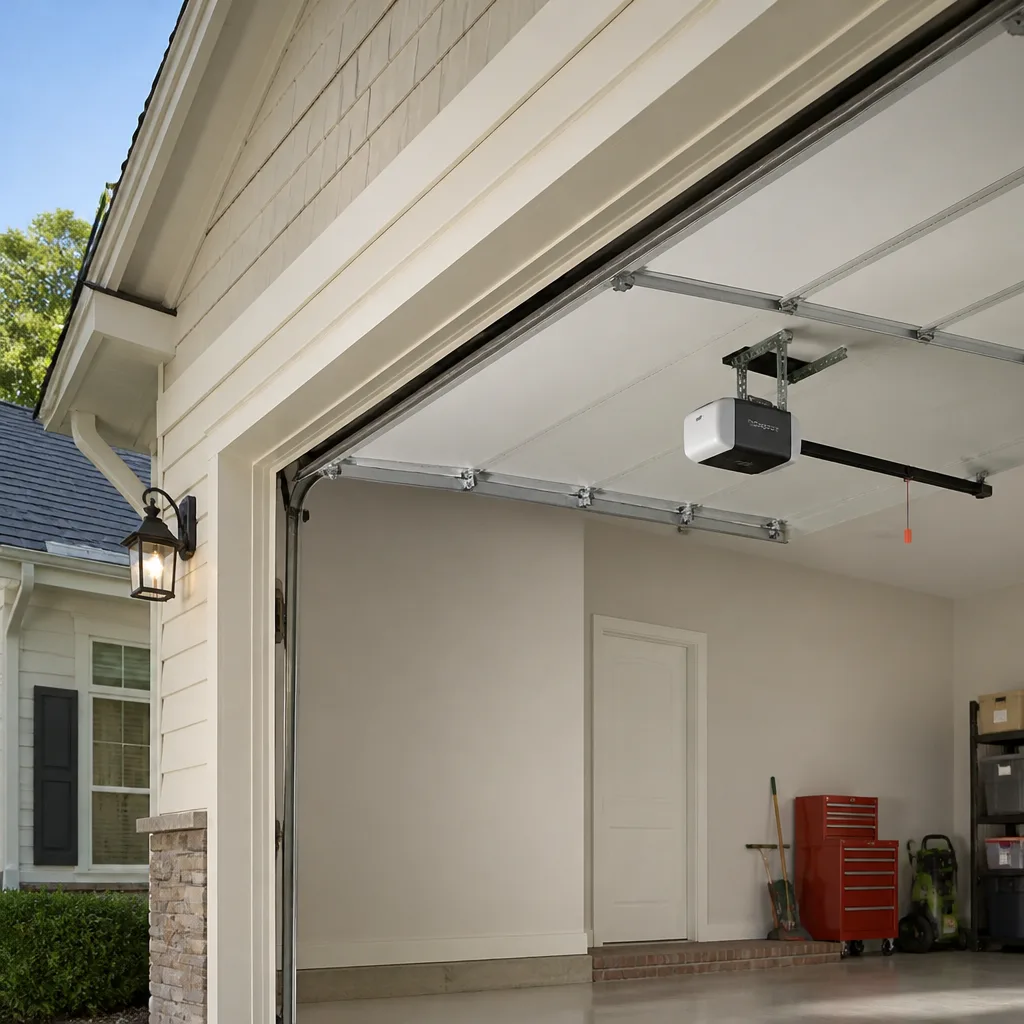 Chamberlain openers
Full 25-point door and opener safety check with every visit - springs, cables, rollers, tracks, and your LiftMaster or Chamberlain opener included
You get a price before we start. It does not change when the pro arrives.
Get your free estimateSeasonal Garage Door Care for Warren: Year-Round Homeowner’s Guide
Most garage door advice treats maintenance as one annual checklist, done whenever you get around to it. That approach fails in Warren, where the door faces real weather on both ends of the thermometer. A single tune-up ignores the months when metal, lubricant and seals are under the most strain, so problems surface in the season you least want them. Garage doors don’t fail on a schedule. They fail at the first hard freeze, or the first heat wave, or the first thaw after a long winter. This guide maps specific tasks to Warren’s actual seasons so you can act before a failure, not after it. You’ll learn what to check each month, what to leave to a technician, and how to read the warning signs.
Quick Answer
Garage door care in Warren works best when it’s split by season, not crammed into one appointment. Fall is the high-stakes window for springs and bottom seals before the first freeze. Winter calls for checking for ice bonding and cold-stiff operation. Spring is the post-winter audit for rust and road salt damage. Summer is when heat thins lubricant and strains opener force settings. One monthly visual check catches most developing problems before they turn into a service call.
Styles & brands we work with
- Raised-panel steel
- Carriage house
- Modern flush
- Full-view glass
- LiftMaster openers
- Chamberlain openers
Table of Contents
- Why Seasonal Care Beats Annual Maintenance in Warren
- Fall Prep: The High-Stakes Window Before the First Freeze
- Winter: Frozen Doors, Stiff Operation and a Common Damaging Fix
- Spring Audit: Undoing Winter’s Damage to Tracks and Hardware
- Summer: Heat, Lubricant Viscosity and Opener Force Settings
- The 90-Second Monthly Check That Catches Most Problems
- Spring and Cable Safety: What You Should Never Touch
- When to Call a Professional
Why Seasonal Care Beats Annual Maintenance in Warren
Warren gets about 42 inches of snow a year, and temperatures that swing roughly 90°F between a January cold snap and an August afternoon. That range isn’t abstract climate trivia. It works directly on the metal in your door. Steel panels, torsion springs, hinges and the track itself all expand in heat and contract in cold. Repeated cycling between the two stresses every joint and fastener in the system.
A garage door moves thousands of times a year across every season, and each of those cycles loads the springs. Add temperature-driven contraction and expansion, and the spring is doing more work in some months than others. A single annual tune-up lands somewhere in the middle of that cycle. It can’t catch the fall freeze that stiffens lubricant, or the summer heat that thins it, or the post-winter salt that starts eating bare steel.
Seasonal care in Warren means matching the task to the month. Here’s the logic in short:
- Cold months stress metal contraction, spring tension, seals and lubricant viscosity.
- Warm months stress lubricant breakdown, opener force limits and panel expansion.
- Transition months are when you see what the last season left behind: rust, ice damage, loosened hardware.
Treating each season as its own maintenance window keeps you ahead of the damage instead of chasing it. That’s the core of how we approach garage door repair in this climate: the failure almost always traces back to a season the homeowner didn’t prepare for.
Fall Prep: The High-Stakes Window Before the First Freeze
The single most important maintenance window in Warren is October, before the first hard freeze settles in. Two systems matter most here: spring condition and the bottom seal. Both need attention now, because the cold makes repairs harder and failures more likely.
Springs are the high-stakes item. A torsion spring holds the full weight of the door, and it’s under constant tension. Cold temperatures contract the metal and change how the spring loads and unloads. A spring that’s already worn or showing the first signs of fatigue is far more likely to snap once the deep cold arrives. That’s not something to gamble on. Have spring condition checked in the fall, before the freeze, so a tired spring gets replaced on your schedule rather than at the worst possible moment. This is exactly why we treat garage door spring repair as a named specialty rather than a side job.
The bottom seal is the other fall priority. That rubber or vinyl strip along the bottom of the door is what keeps cold air, snow and water from driving under the door. Over years it hardens, cracks and loses its flexibility. Once it’s stiff, it stops sealing well and can even bind against the floor in cold weather. Replace a worn bottom seal before the freeze so it’s pliable and doing its job through the winter.
Run through this fall checklist before the cold settles in:
- Look at both springs for gaps, rust or a stretched, uneven look; book a professional check if anything seems off.
- Press the bottom seal along its length and check for cracks, hardness or gaps at the floor.
- Wipe and lubricate hinges, rollers and the track with a cold-rated garage door lubricant.
- Tighten any loose bolts on hinges and brackets (never the spring hardware).
- Test the door’s balance and the safety reverse, and adjust nothing on the springs yourself.
Get these done in October in Warren and you enter winter with the two highest-risk systems already covered.
Winter: Frozen Doors, Stiff Operation and a Common Damaging Fix
When temperatures drop into single digits, garage doors behave differently. Everything moves slower and stiffer. Lubricant thickens, seals harden, and the door may sound labored even when nothing is wrong. In Warren, two winter problems come up again and again, and they’re not the same issue: a door frozen to the floor, and a door that won’t open because the cold has stiffened the whole system.
A door frozen to the floor happens when meltwater runs under the bottom seal and refreezes, bonding the rubber to the concrete. The door isn’t broken; it’s stuck. A door that won’t open in the cold is the opposite problem: the mechanism itself is stiff from thickened lubricant and contracted metal, and the opener is fighting resistance it doesn’t normally face. Both need restraint, not force.
Here’s the critical warning: never keep hitting the opener button to break a frozen door loose. This is the common “fix” that damages the system. The opener keeps pulling against a door that cannot move, and the strain lands on the opener’s gears, the torsion hardware and the door’s frame. Repeated attempts can burn out the opener motor or snap hardware. The same goes for prying or forcing the door by hand.
What to do instead:
- Clear snow and ice from the door’s base so meltwater isn’t pooling under the seal.
- If the door is bonded to the floor, let it free naturally or free the seal gently from the outside, then test the door by hand with the opener disengaged before running the motor.
- If the door is merely stiff from cold, stop cycling it repeatedly and have it looked at; stiff operation in deep cold usually points to old lubricant or hardware that needs service.
- If the door won’t move even by hand, that’s a spring or track issue and a professional should see it.
Cold-stiff operation is normal up to a point. Grinding, a door that stalls halfway, or a snap sound is not. In winter, listen to your door and respect what it’s telling you.
Spring Audit: Undoing Winter’s Damage to Tracks and Hardware
When the thaw comes, the damage winter did becomes visible. This is the season for a full post-winter audit, and in Warren that audit is mostly about what road salt and ice melt have done to your door’s metal.
Road salt and ice melt get tracked and splashed onto the lower door panels, the bottom bracket, the hinges, the rollers and the lower track. Salt is corrosive, and once it settles into bare steel or a scratched powder-coat finish, rust starts. Left alone, rust pits the track, seizes rollers and weakens hinges. The good news is that early rust is reversible in the sense that you can stop it before it sets into the metal.
Your spring checklist after winter:
- Rinse the lower panels, bottom bracket and lower track with plain water to wash off salt residue.
- Dry thoroughly, then look for rust spots on hinges, rollers, brackets and the track.
- Clean light surface rust off with a fine abrasive and touch up bare spots; treat heavier corrosion as a repair item.
- Re-lubricate rollers, hinges and the track now that the salt is gone.
- Check the track for dents, bends and loosened mounts from a winter of ice and snow pressure.
- Test the balance, safety reverse and the door’s full travel.
A bent or misaligned track is a job for a professional, since forcing a door back onto a damaged track can bend panels or pop rollers. If winter has left your track out of line, that falls squarely under garage door repair work and should be handled before the door is cycled much further.
The spring audit is also the moment to have your springs re-evaluated. A spring that survived the winter may have lost tension through the cold cycles, and checking its condition now means you’re not discovering a problem mid-summer.
Summer: Heat, Lubricant Viscosity and Opener Force Settings
Heat gets less attention than cold, but in Warren a summer afternoon can push the garage into temperatures that quietly change how the door works. Two effects matter most: what heat does to lubricant, and how it affects the opener’s force settings.
Lubricant has a working temperature range. In summer heat, some lubricants thin out and drain away from the surfaces they’re meant to protect. Hinges and rollers that were quiet in spring start to squeak or drag by August because the lubricant has thinned or worked its way off. The fix is straightforward: check lubrication in early summer and again in peak heat, and use a garage-door-specific lubricant rated for the temperatures your garage actually sees. Don’t over-apply; a light, even coat on hinges, rollers and the track is what you want. Thick globs just collect dust and grit.
The second summer effect is on the opener. As temperatures climb, metal components expand and the door can bind slightly here and there. If the opener’s force setting is right at its limit, small seasonal resistance can push it over. That’s when you’ll hear the opener straining, reversing on its own, or struggling to close. Modern openers from Chamberlain, Genie and other major brands often have force and travel limits in their control settings. If the door is binding, the right answer is to find and fix the binding, not to crank up the force to push through it. Turning up force just hides the problem and puts more strain on the motor and the door.
Summer to-do list:
- Re-check lubrication at the start of summer and again in the hottest weeks.
- Listen for strain, squealing or reversing, which suggests the opener is fighting resistance.
- Have opener force and travel limits checked and adjusted if the door is behaving oddly; leave this to a technician if you’re not sure.
- Test the safety reverse monthly, since a sticky door can mask a failing safety feature.
Heat is also a good reminder that smart and wi-fi openers still need physical maintenance. A connected opener can tell you the door didn’t close, but it can’t fix the binding behind it. When an opener itself is the problem, that’s garage door opener repair territory, and unusual summer behavior is worth a look before it gets worse.
The 90-Second Monthly Check That Catches Most Problems
You don’t need to spend hours on your door to stay ahead of failures. One simple monthly check, taking under 90 seconds, will catch the majority of developing problems before they turn into service calls. The point is consistency: a few minutes every month catches small changes that would otherwise compound across seasons.
Walk up to your closed door and do this in order:
- Look at the springs. Glance at both springs above the door for gaps, rust streaks or a sagging look. Two seconds.
- Run a hand along the bottom seal. Feel for cracks, hardness or gaps at the floor.
- Glance at the track and rollers. Look for bent track, loose bolts or rollers sitting wrong.
- Open and close the door once. Listen for new squeaks, grinding or a door that hesitates.
- Test the safety reverse. Put an object in the door’s path and confirm it reverses.
That’s it. Under 90 seconds. Do it on the same day every month so it becomes habit, and you’ll notice the change in sound or feel before it becomes a failure. Most of the problems we see in Warren were visible for weeks before the door actually stopped working. The homeowner just didn’t have a system for looking.
Spring and Cable Safety: What You Should Never Touch
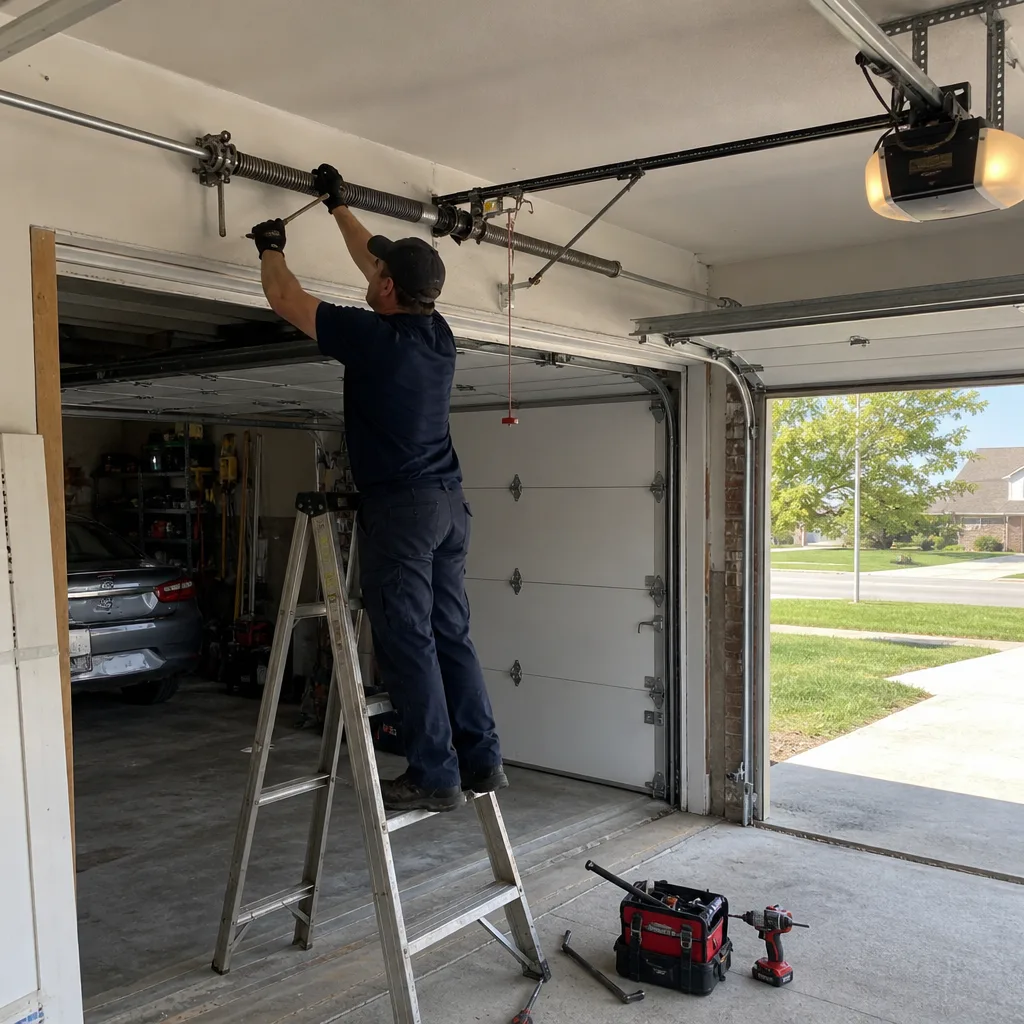
Torsion springs and the cables that run with them are the most dangerous parts of any garage door. A torsion spring is under enormous tension, and if it’s released improperly it can cause serious injury. Cables are under similar tension and can whip or snap. This is not a hardware store DIY project, no matter how handy you are.
The rules are simple:
- Never loosen, adjust or remove spring hardware or cables yourself.
- Never try to “help” a stuck or snapped spring back into place.
- If you hear a loud snap, or find the door suddenly very heavy to lift, stop and call a professional.
- Keep the area clear and don’t let anyone stand under a door with a broken spring.
This is why spring work sits behind a professional’s hands. A trained technician uses the right tools and follows a safe procedure, and knows how to handle the tension safely. If you suspect a spring problem at any point in the year, treat it as a stop-and-call situation. Our technicians have up to 11 years of experience with this exact kind of work, and it’s not a job to shortcut.
Common Mistakes to Avoid
- Treating maintenance as one annual event. A single tune-up ignores the seasonal stresses that actually cause failures in Warren. Split the tasks across the year.
- Hitting the opener repeatedly to free a frozen door. This is the classic winter mistake that burns out openers and snaps hardware. Free the door, then test by hand before running the motor.
- Turning up opener force to push through a binding door. In summer heat, cranking force hides the real problem and strains the motor. Find the binding instead.
- Skipping the post-winter wash. Leaving road salt and ice melt on the lower panels and track lets rust start. Rinse and dry after the thaw.
- Ignoring a stiff or squeaky door in the cold. Cold-stiff operation has a limit. Grinding or hesitation is a signal to get it looked at, not to wait for spring.
- Touching spring or cable hardware yourself. These carry stored energy that can injure. Always leave spring and cable work to a trained professional.
- Forgetting the safety reverse test. A sticky door in any season can mask a failing safety feature. Test it every month.
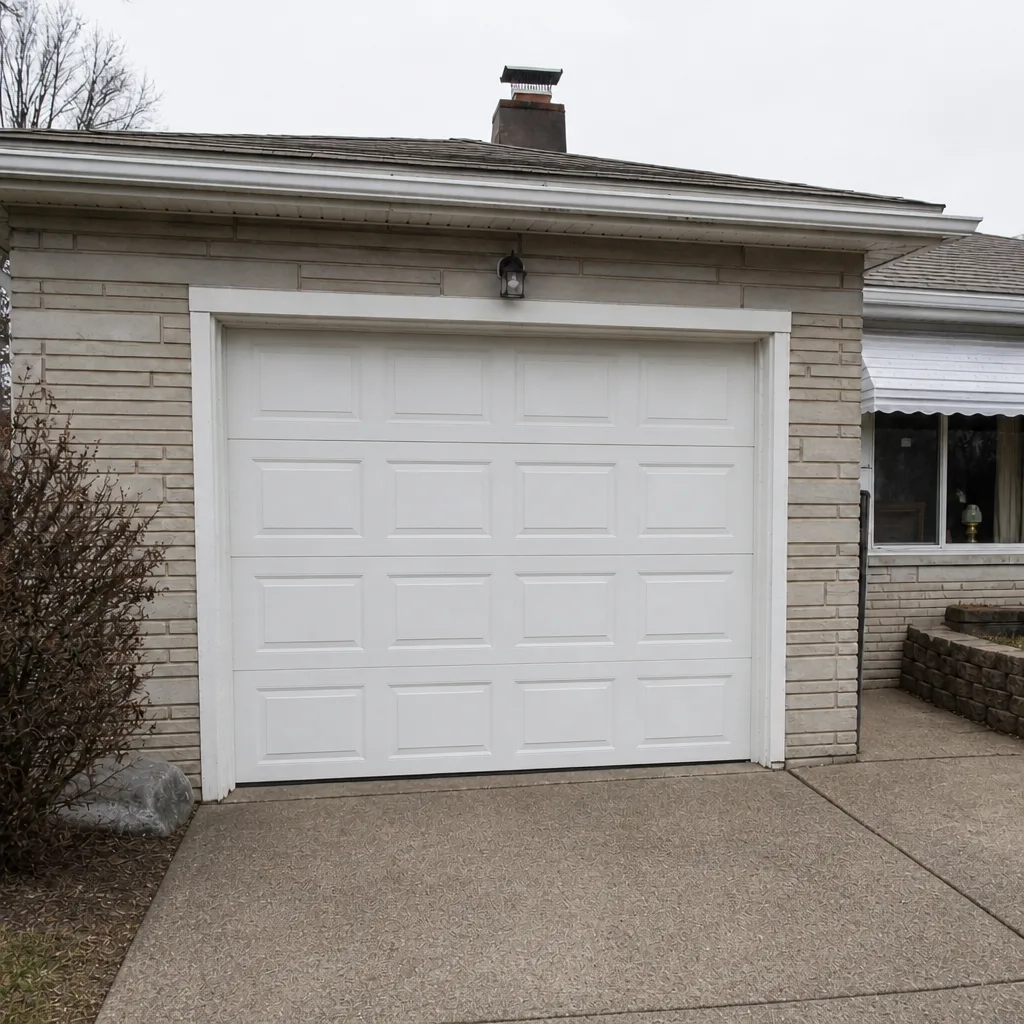
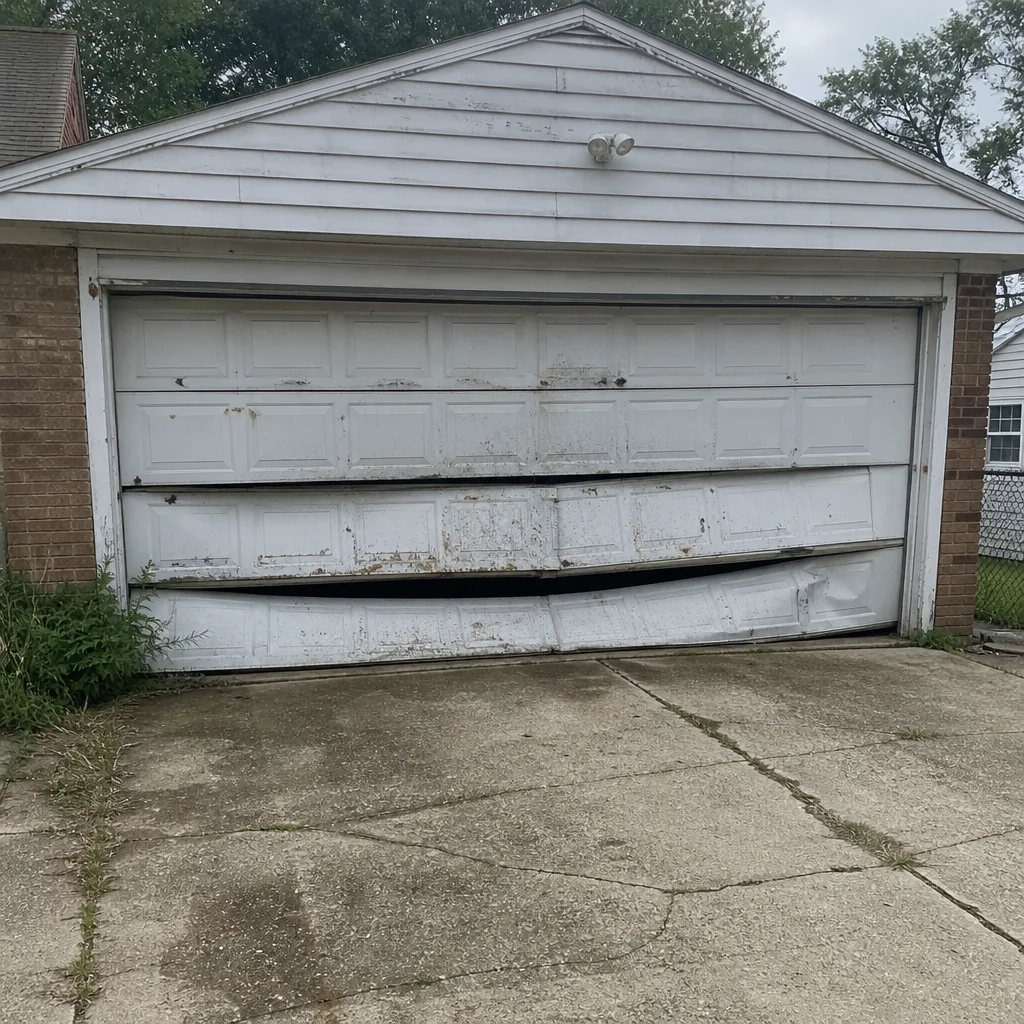
See the difference
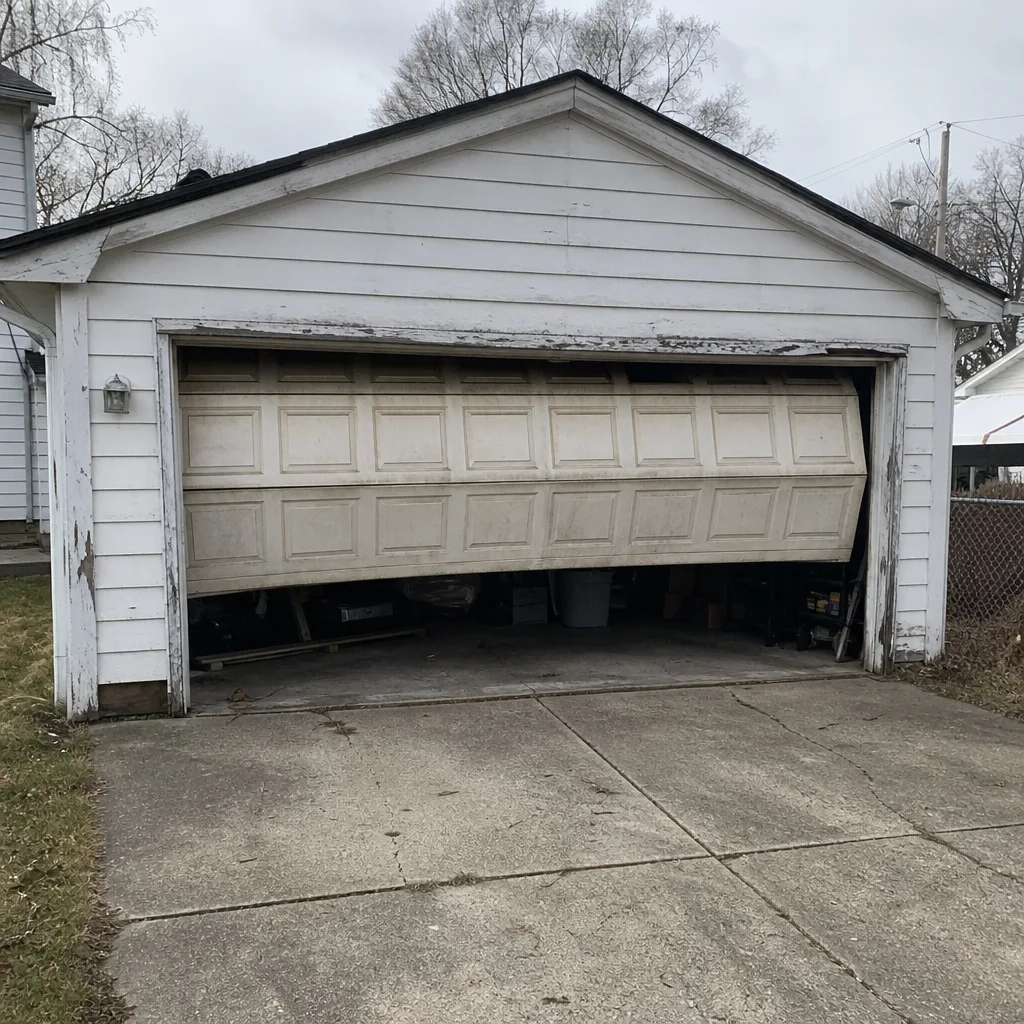 Before
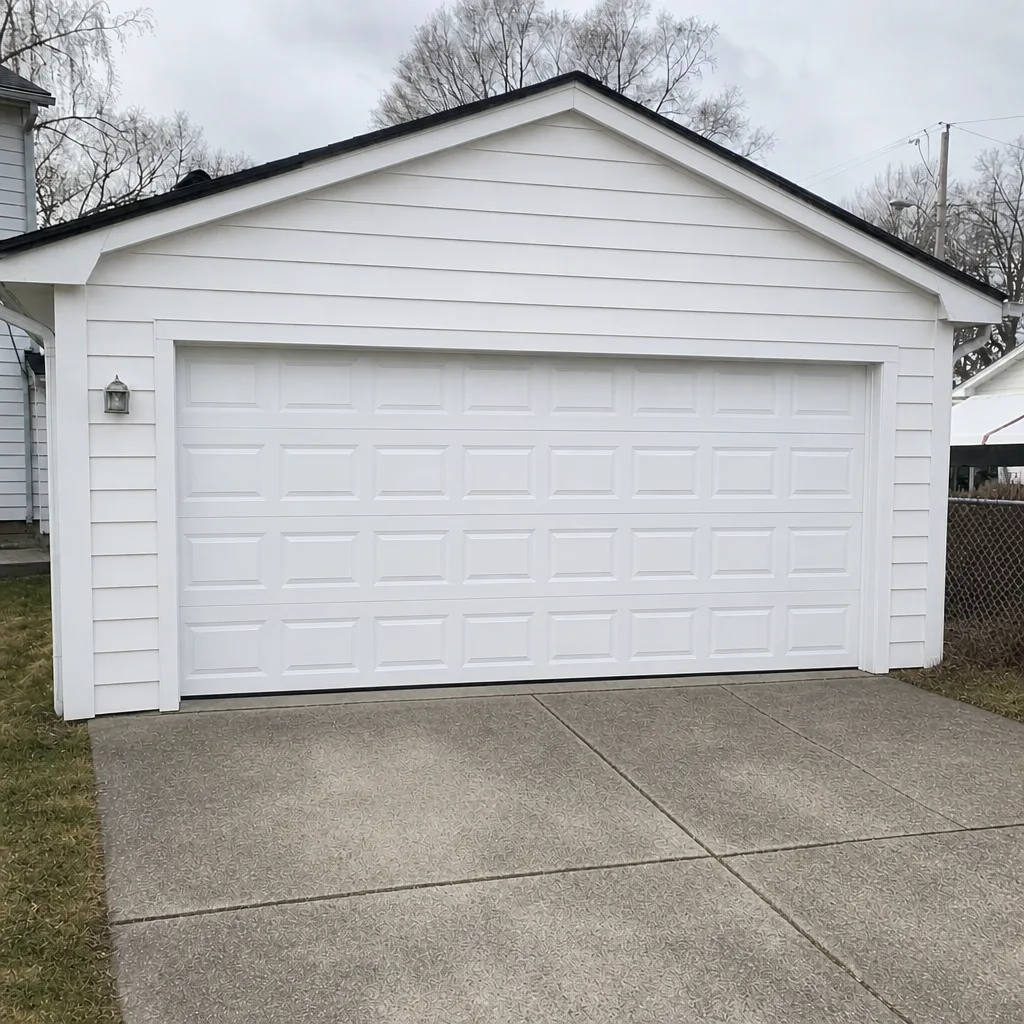 After
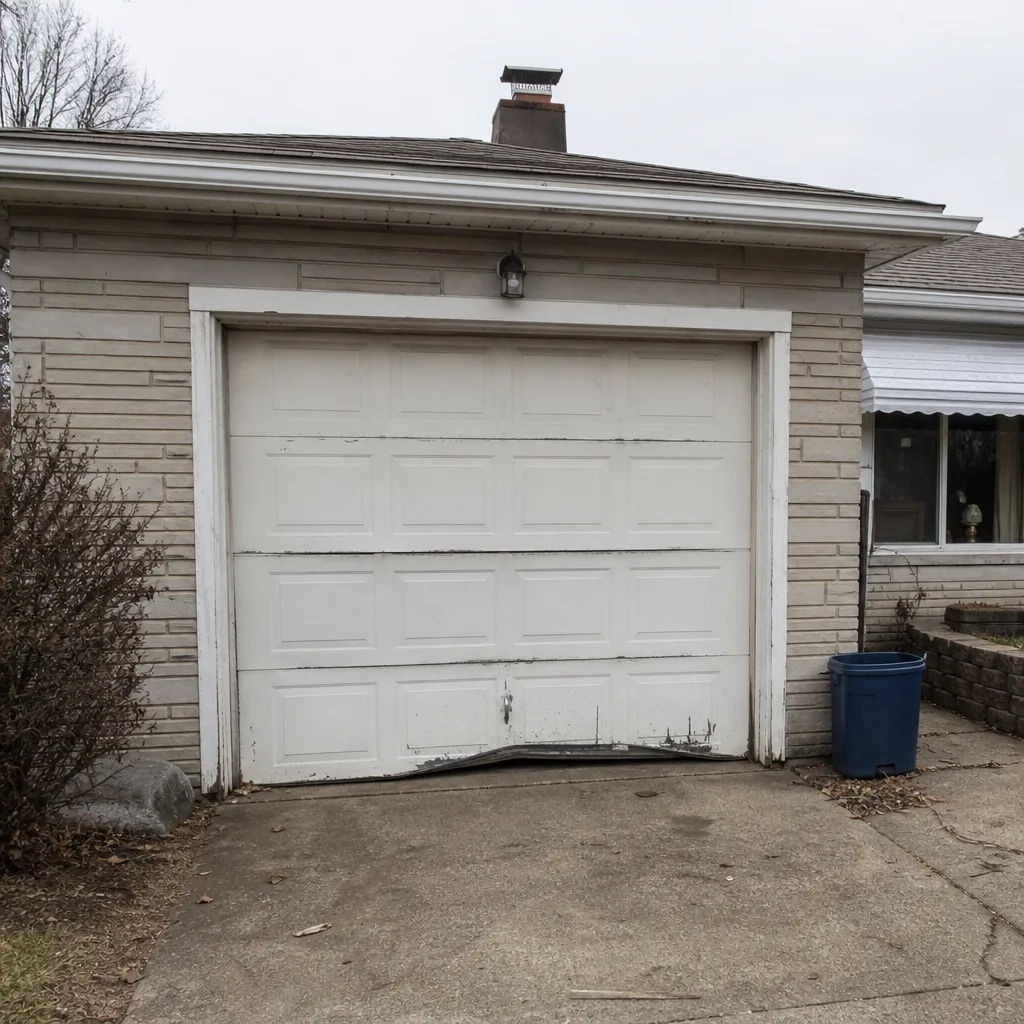 Before
 After
 Before
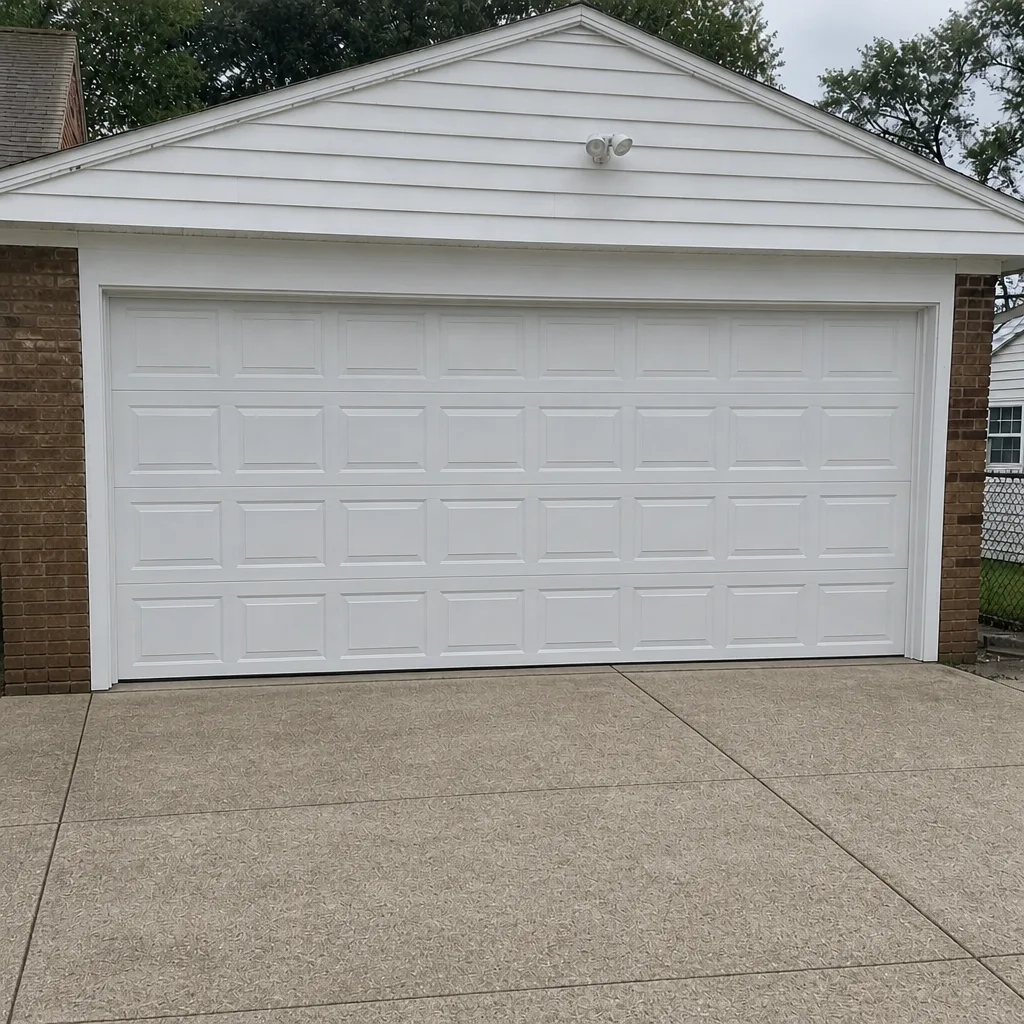 After
When to Call a Professional
Some jobs belong in your hands. Others don’t. Call a professional if you hear a loud snap, find the door suddenly hard to lift, or see a broken spring or a cable hanging loose. Call if the door comes off its track, if a panel is bent or dented, or if the opener runs but the door doesn’t move. Call if the door reverses on its own, won’t close all the way, or makes grinding sounds at any point in the year. Call if winter has left the door frozen in a way you can’t free safely, or if summer heat has the opener straining.
Warren Garage Door Repair Pros offers free estimates in Warren. We work on the brands you actually own, from Clopay and Amarr doors to Chamberlain and LiftMaster openers, so we’re diagnosing your system rather than guessing at it. Same-day and emergency service is part of what we do, and the price is quoted and agreed before any work starts. Call (866) 928-4063 to book a look.
Frequently Asked Questions
Monthly for the quick 90-second visual check, plus a seasonal task set tied to the weather. Fall is the most important window in Warren, because springs and bottom seals need attention before the first freeze. Spring and summer then cover the post-winter audit and heat-related lubrication and opener checks.
No. Never keep pressing the opener to break a frozen door loose. The opener pulls against a door that can’t move, which strains the gears, torsion hardware and frame and can damage the motor. Free the seal gently from the outside, test the door by hand with the opener disengaged, then run it. If it still won’t move, call a professional.
Heat thins lubricant, so hinges and rollers can start to squeak or drag as protection wears away. The door can also bind slightly as metal expands, which puts extra resistance on the opener. Re-lubricate with a garage-door-rated product and have the opener’s force and travel limits checked if it’s straining or reversing.
No. Torsion springs and cables are under high tension and can cause serious injury if handled wrong. Spring replacement is a job for a trained technician with the right tools. Treat any snap, gap or suddenly heavy door as a stop-and-call situation.
Salt and ice melt tracked onto the lower panels, bottom bracket, hinges and lower track are corrosive. Left on bare steel or a scratched finish, they start rust that pits the track and seizes rollers. Rinse and dry the lower door and track after the thaw, then re-lubricate to stop the rust before it sets in.
The written estimate sets the price, and it’s quoted and agreed before any work starts. That’s the number you pay. Estimates are free, so call (866) 928-4063 to have a technician look at your door.
The Bottom Line
Warren’s four-season climate turns garage door care into a year-round job, not an annual one. Fall is when you protect the high-stakes systems, springs and bottom seals, before the first freeze. Winter is about recognizing frozen or cold-stiff doors and not forcing them. Spring is for washing off winter’s salt and checking for rust and track damage. Summer is when heat thins lubricant and strains opener settings. Plus the monthly 90-second check that catches most problems early. Work the seasons and you’ll meet failures before they happen; ignore them and the weather will find the weak point for you.
Ready to get ahead of the seasons? Call Warren Garage Door Repair Pros at (866) 928-4063 for a free estimate. Whether it’s a seasonal spring check, a stuck winter door, a post-thaw track repair or a summer opener adjustment, we handle repair, opener work, spring replacement and full installation, and we work on your brand. We answer 24/7. Fast dispatch from 7am to 7pm, Sunday through Friday. One call, full fix.
Written by the team at Warren Garage Door Repair Pros.