
Last updated November 22, 2026
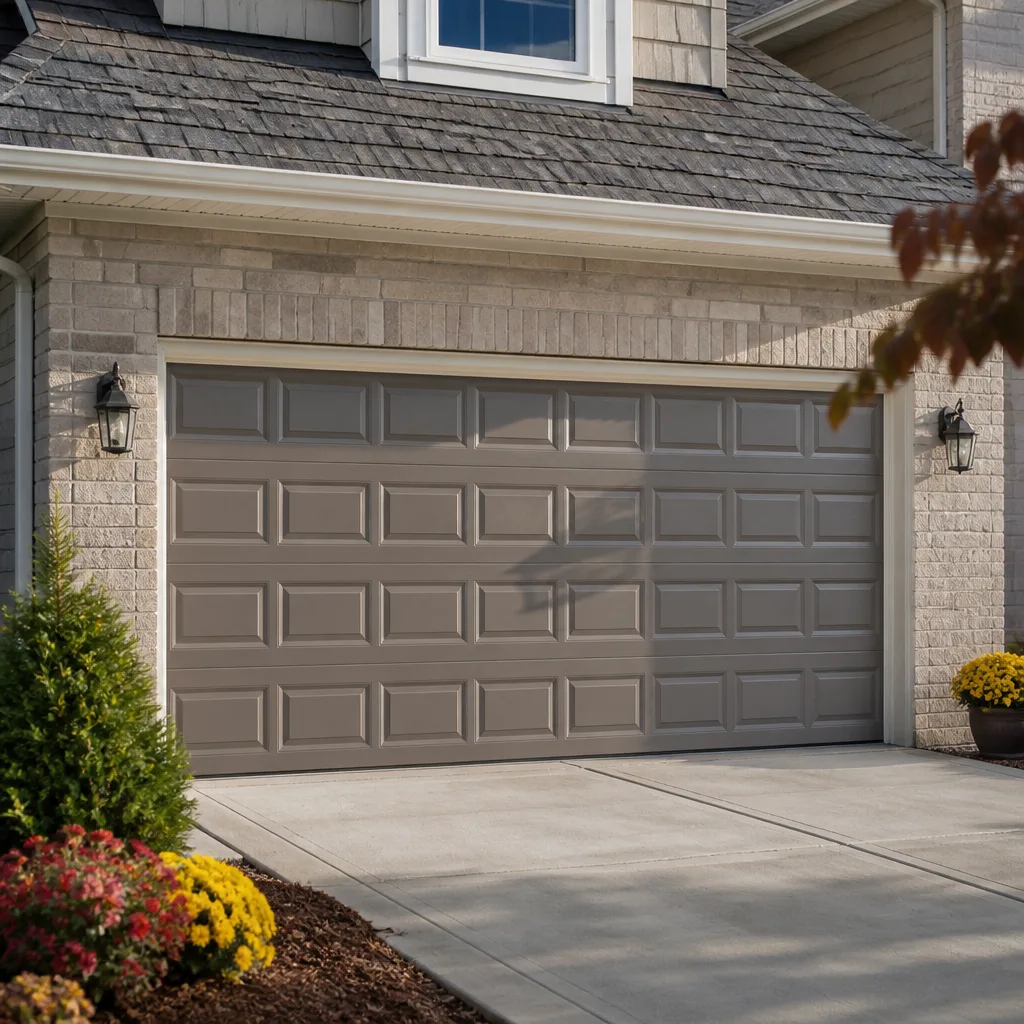 Raised-panel steel
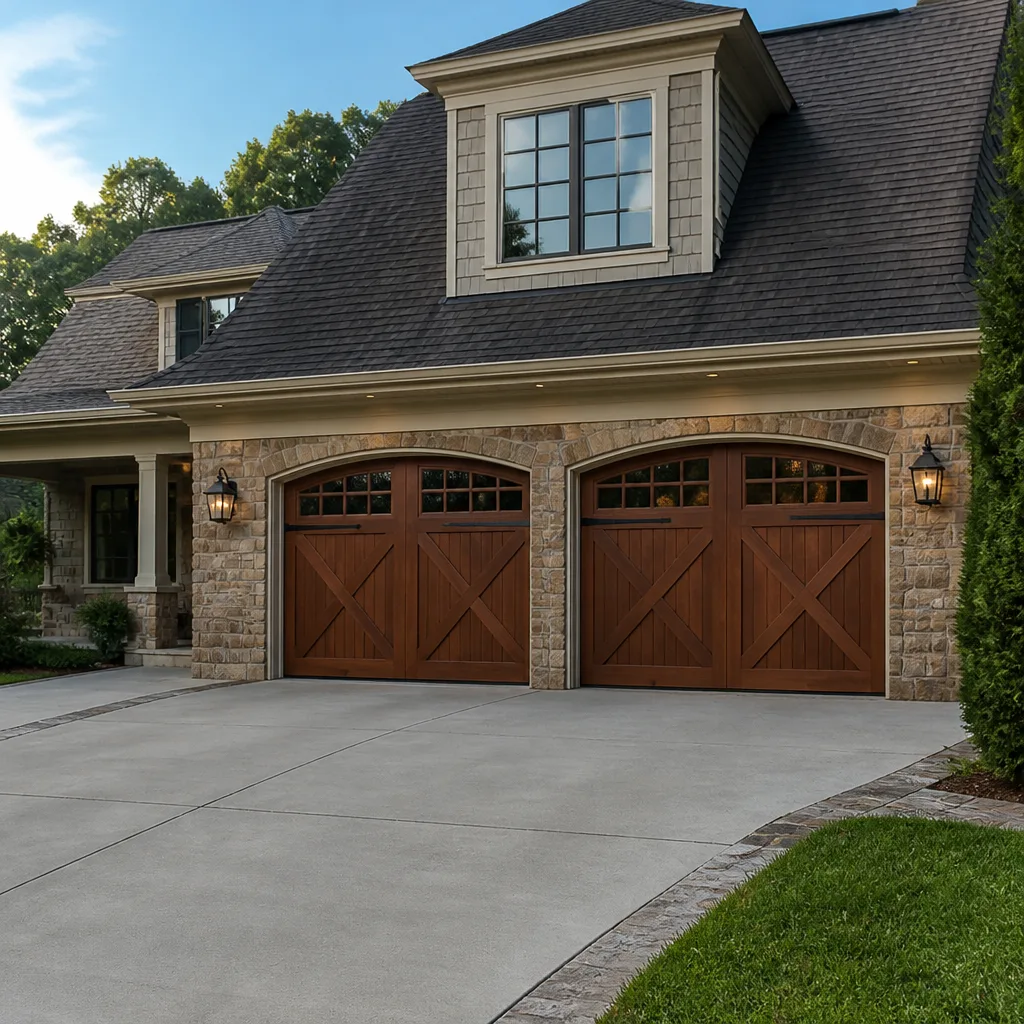 Carriage house
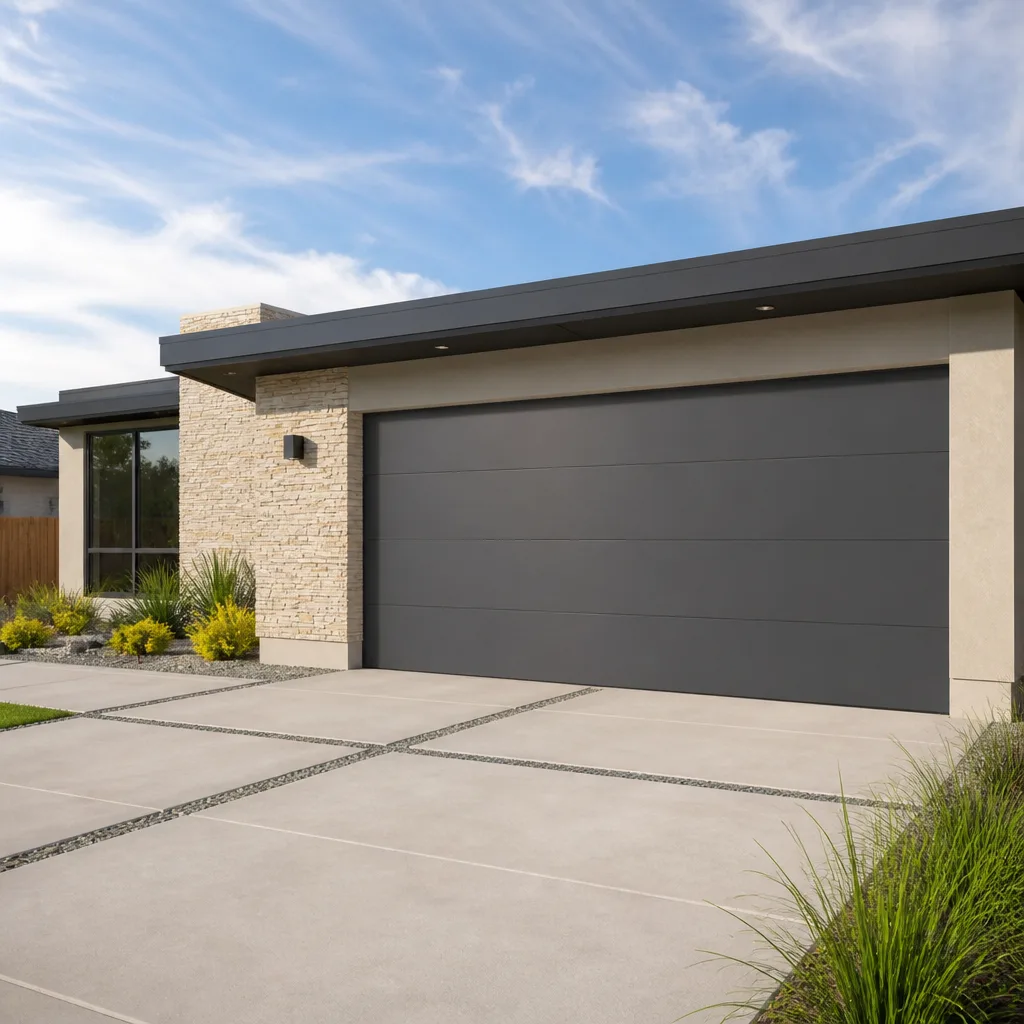 Modern flush
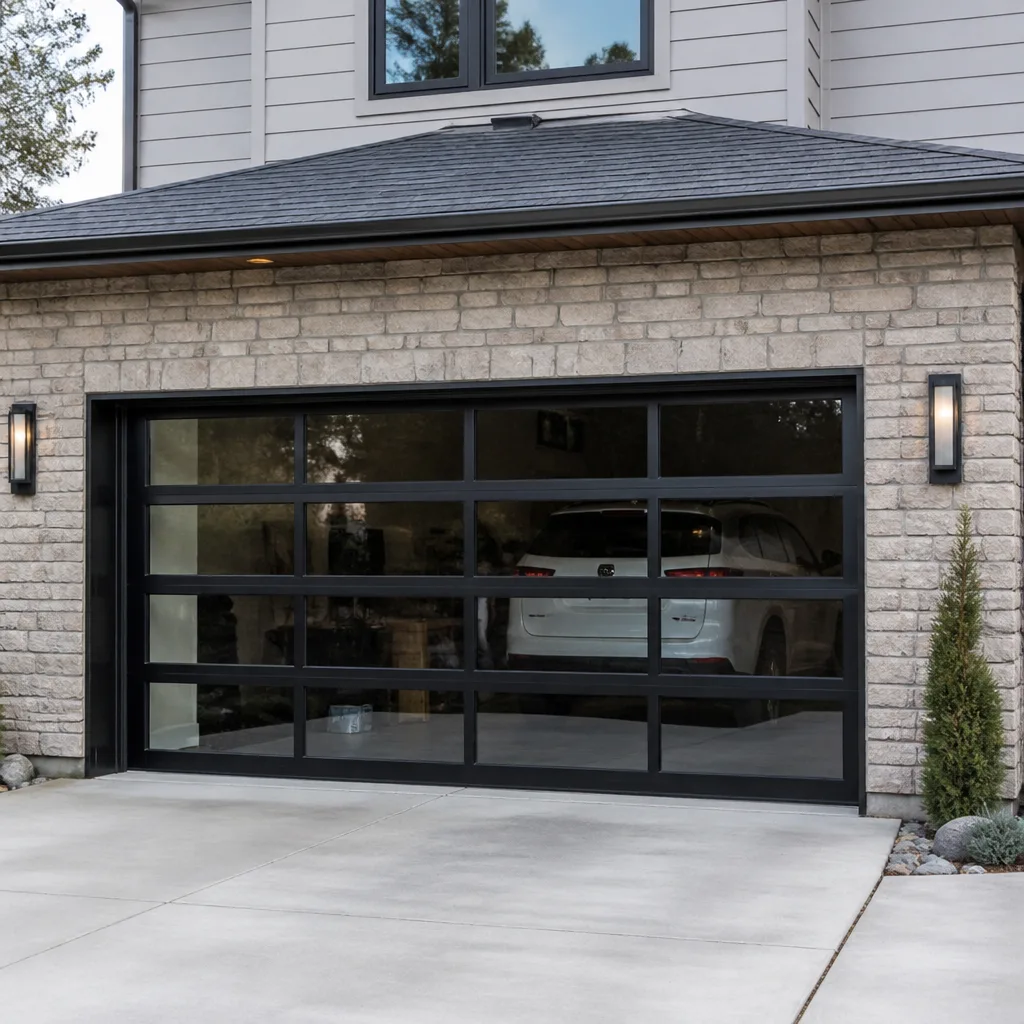 Full-view glass
 LiftMaster openers
 Chamberlain openers
Full 25-point door and opener safety check with every visit - springs, cables, rollers, tracks, and your LiftMaster or Chamberlain opener included
You get a price before we start. It does not change when the pro arrives.
Get your free estimateDIY vs Professional Garage Door: The Warren Homeowner’s Decision Guide
Most garage door advice frames this as a skill question: are you handy enough? That’s the wrong question. The right one is whether the part you’re about to touch is holding stored energy that can injure or kill you if it releases wrong. Torsion springs, cables under tension, and the door itself on a failed spring all fall into that category. Some garage door tasks fall nowhere near it – lubrication, sensor alignment, swapping a remote. This guide draws that line precisely for Warren homeowners: what you can safely do yourself, what carries real risk, and what no video tutorial prepares you for. You’ll learn where DIY saves real money and where it can turn a repair into an emergency.
Quick Answer
You can safely handle garage door maintenance yourself – lubrication, sensor alignment, weatherstripping, remote reprogramming, and visual inspections. Anything involving torsion springs, extension springs, cables, or the door coming off its track belongs to a trained technician because those components store enough energy to cause fatal injuries when they release. In Warren, with a door that runs daily through hot, humid summers and freezing, road-salted winters, a professional spring repair or opener diagnosis is usually the right call, and the written quote sets the price before any work begins.
Styles & brands we work with
- Raised-panel steel
- Carriage house
- Modern flush
- Full-view glass
- LiftMaster openers
- Chamberlain openers
Table of Contents
- The Three-Tier Task List: Safe DIY, Risky DIY, Professional-Only
- Why Spring Energy Changes the Rules
- The Real Reason DIYers Stall on Garage Doors
- What You Can Genuinely Do Yourself in Warren
- DIY With Risk: Know What You’re Getting Into
- The Real Cost of DIY Gone Wrong
- How to Decide Mid-Task Whether to Stop
- When to Call a Professional
The Three-Tier Task List: Safe DIY, Risky DIY, Professional-Only
Not every garage door job carries the same weight. Sorting tasks by the energy involved and the precision required is the fastest way to know what’s reasonable for a homeowner and what isn’t. Here’s the split we use when talking with homeowners across Warren.
Tier 1 – Safe DIY:
- Lubrication of hinges, rollers, tracks and the opener’s chain or screw drive.
- Safety sensor alignment and lens cleaning.
- Weatherstripping replacement on the bottom seal and jamb sides.
- Remote control reprogramming and battery swaps.
- Visual inspection of the door, hardware and panel condition.
- Tightening loose hinge and bracket bolts with hand tools.
Tier 2 – DIY with risk (understand the dangers before starting):
- Replacing rollers, which requires some disassembly and re-tension awareness.
- Adjusting the opener’s travel limits and force settings.
- Replacing a broken hinge that supports a roller.
- Replacing a single damaged panel on a multi-section door.
Tier 3 – Professional-only (not negotiable):
- Torsion spring repair or replacement.
- Extension spring repair or replacement.
- Cable replacement or re-cabling.
- Track realignment after the door has jumped or bent.
- Anything involving the door coming off its hinges or out of its track on a loaded spring.
- Full door installation and opener installation on a new door.
Anything in Tier 3 is a trained-hands job. A spring repair specialist handles the tensioned component with the correct winding bars and knows what a partial release looks like before it happens. We handle this work across the industry’s leading brands every week, and it’s the category we’d never suggest a homeowner touches, regardless of general mechanical confidence.
Why Spring Energy Changes the Rules
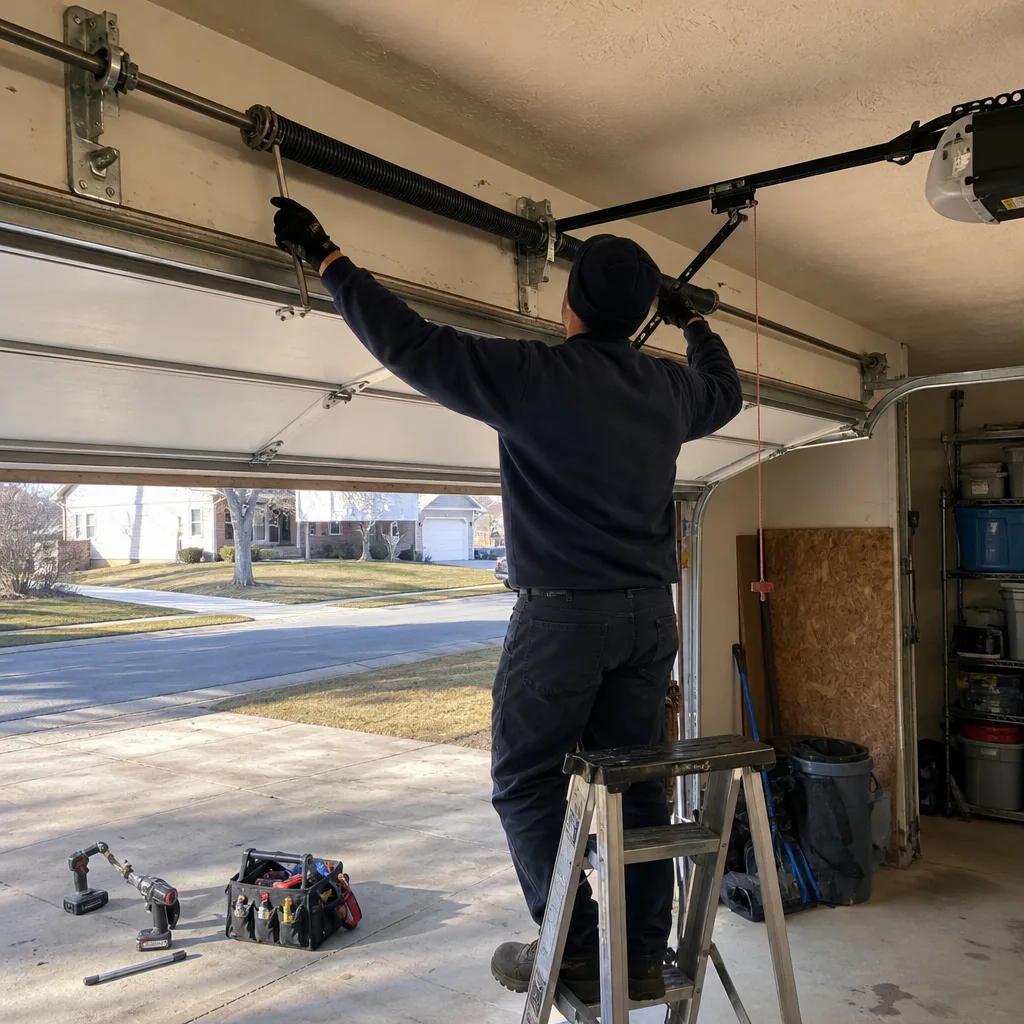
Torsion springs store the energy that counterbalances a door weighing 100 to 300 pounds. When they’re wound, that energy sits there at the ready. If a spring snaps mid-use, that energy releases instantly, and the door’s weight comes down. If a spring snaps while someone is working on it, the winding bars can fly, the cables go slack, and the door can drop without warning. This is why we call spring work the single most safety-critical task in the trade.
The distinction that matters for DIY decisions is this: a door with a broken spring is not “half working.” It is a door whose only support is its opener’s motor and, depending on the failure, its cables. That’s the configuration that most often turns a routine door into a dangerous one. Spring repair is not a job to tackle with a pair of vise grips and a ladder.
Cable repair is a close second. Cables run from the bottom corner brackets up to the springs and drums, and they’re under constant tension when the door is down. They can fray, slip the drum, or snap. Warren homes routinely see cable wear from years of daily cycles, and the fix isn’t a hardware-store cable and a clamp – it’s a matched set cut to the correct length and tensioned against the springs. In our experience, a homeowner working on a cable without proper winding knowledge is one slip away from a serious injury.
The same rule that applies to electrical panels applies here: the component doesn’t care how skilled you are, only whether you understand what it’s holding. Spring and cable work is where a general handyman and a garage door specialist part ways. It’s also where the difference between “it works for now” and “it’s right” matters most, because the failure mode isn’t a stuck door. It’s a dropped one.
The Real Reason DIYers Stall on Garage Doors
A homeowner who’s rebuilt an engine and wired a basement doesn’t become unqualified the moment they touch a garage door. What trips them up is a specific set of gaps that don’t show up in the obvious places.
- Winding bar mechanics. A torsion spring requires two properly sized winding bars and a precise sequence of winding to bring the door back into balance. One bar of the wrong diameter can slip out of the winding cone under load. This isn’t a “close enough” tool.
- Spring identification. A spring has a wire gauge, an inside diameter and a length, and all three matter for a matched replacement. Homeowners routinely bring home a spring that looks right and doesn’t match the door’s counterbalance. We keep full spring sizing data for every brand we work on for exactly this reason.
- Spring-to-door matching. A single spring door and a double spring door have completely different replacement patterns. Getting this wrong puts the door out of balance the moment it cycles.
- Track and panel geometry. Tracks that have bent by a half inch look fine and will wear rollers in months. Panels that are slightly off-square bind the door on its way up.
- Opener force and travel calibration. This is where DIY goes wrong quietly. Force settings too high and the opener masks a bound door; too low and the door reverses mid-cycle. Older Genie and Chamberlain units have model-specific calibration, and modern smart-enabled openers add a separate layer that just doesn’t come in the manual.
None of this is a knock on the homeowner’s ability. It’s a fact about the trade: the failure modes on a garage door don’t announce themselves the way a plumbing leak does. That’s why the manufacturer’s install manual is nowhere near the same thing as knowing what a worn hinge, a worn drum, or a partially de-tensioned spring looks like in the field.
What You Can Genuinely Do Yourself in Warren
This is the section we most want a homeowner to read closely, because there are real repairs and maintenance jobs worth doing yourself, and no professional should try to talk you out of them.
- Lubricate the door and moving parts. A lithium- or silicone-based garage door lubricant on hinges, rollers, tracks and the opener’s exposed chain or screw is a five-minute job that extends the life of every moving component. Do it every six months. In Warren’s humidity, spring and fall are the natural reminders.
- Align the safety sensors. Two small lenses on either side of the door near the floor. If the door starts reversing on its own or won’t close, check that both lenses are clean and that their indicator lights are solid. A nudged sensor is the most common reason a door “stops working” and the fix costs nothing.
- Replace weatherstripping. The rubber seal at the bottom of the door and the flexible seals on the jamb sides wear out fast against freezing winters and the summer sun. A replacement kit from a hardware store plus a you-tube-level of patience is a legitimate weekend project.
- Reprogram remotes and keypads. If your remotes have stopped working, a fresh battery and a re-pairing session on the opener resolves nearly every case. For Chamberlain, Genie and LiftMaster openers, the pairing steps are model-specific but always in the manual.
- Tighten hand-tool bolts. Hinge bolts, bracket bolts and roller brackets loosen over the years. A socket set and screwdriver is all you need. Snug, not torqued.
- Do a monthly visual inspection. Look at the springs for gaps, the cables for fraying, the panels for dents or rust and the rollers for flat spots. Catching a worn part early is how a big repair gets prevented – and how you know when to call.
The balance test is worth doing every few months too. Disconnect the opener and lift the door by hand halfway. It should stay in place. If it slams down or rises on its own, the springs are out of adjustment and that’s a spring call, not a DIY call.
DIY With Risk: Know What You’re Getting Into
Tier 2 tasks are the gray zone. Each is possible for a confident homeowner with tools and patience, but each has a real failure mode that can turn a modest task into a serious problem. Know what you’re accepting before you start.
Replacing rollers. The bottom rollers often sit under load when the door is down. The safe way is to raise the door so the panel’s weight comes off the roller brackets, which means understanding the door’s balance state first. Get it wrong and the door binds against the track.
Adjusting opener travel and force. Force settings are the door’s last line of defense against a person or object beneath it. Setting force too high defeats the safety reverse entirely. Too low and the door bounces, wearing the opener’s gear and rail. Modern smart openers add app-based diagnostics that make this easier, but a legacy Craftsman or Genie unit doesn’t offer that cushion.
Swapping a damaged panel. A Clopay or Amarr panel may look interchangeable across sections. It isn’t. Panel height, style, window pattern and hinge placement all vary by model. Ordering the wrong section is the most common mistake we see, and it usually costs more in the long run than having it measured and ordered right.
Replacing a hinge that carries a roller. The right hinge for the right position matters. Bottom hinges, end hinges and center hinges are not the same part. A mismatched hinge shifts the roller and can cause the door to walk its track.
None of these are impossible, and some homeowners do handle them well. What we ask is that you know the failure mode going in. That alone prevents most of the worst outcomes we see in Warren.
The Real Cost of DIY Gone Wrong
We hear the argument constantly: “The pro is expensive, I’ll just do it myself.” Fair starting point. But the comparison has to include what happens when the DIY attempt lands in the wrong place. We’ll walk through the actual costs.
Emergency service cost. Imagine the DIY replacement of a spring or cable goes sideways and the door comes down on a bent track, or worse, on a vehicle. You’re now paying for the original repair, the emergency service, and the collateral damage. Emergency jobs are real, and we run them as a core service, not an upsell. They’re also the most expensive way to solve a problem that could have been scheduled.
Collateral damage. A door that binds halfway up strips the opener gear. A door that’s out of balance burns the opener’s motor within months. A panel that was ordered in the wrong size has to be re-ordered and the wrong one is now scrap. The second repair is nearly always more expensive than the first would have been.
Liability exposure. If a self-repaired door later injures a family member, a visitor, or a delivery person, the homeowner who did the work owns the result. That’s not a marketing line, it’s a homeowner’s insurance and personal responsibility question. A professional tradesman carries the liability for the work they do. A homeowner who does it themselves carries it for their own.
Here’s the honest benchmark we use with Warren homeowners. If the door is on its springs and something feels wrong, the price of a scheduled visit is nearly always less than the price of the door, the opener and the aftermath. That’s true of any repair in the trade, not just ours.
How to Decide Mid-Task Whether to Stop
The decision that matters most isn’t whether you start. It’s whether you stop. Here are the specific moments where stopping is the right call, and how to describe the situation so you get accurate guidance when you pick up the phone.
- The spring has snapped or shows a visible gap. Stop. Don’t lift the door by hand. Don’t run the opener. Don’t attempt to “test” the door. That’s the moment the stored energy is already released and the door’s weight is unsupported.
- Something is under tension and you don’t know what. If you’re holding a tool against a component and you can’t confidently describe what it’s doing, stop. Put the tool down. Don’t “just see what happens.”
- The door is binding, twisting, or dropping unevenly. A door that goes up crooked on one side is telling you a cable, drum or spring is out of balance. Continuing to cycle it will bend the track or warp the panels.
- You just bent or snapped a roller bracket, hinge, or panel. Any time you hear the door “clunk” while you’re working on it, stop and check the balance before continuing.
- Something feels hot, smells burned, or the opener showed a code you don’t recognize. Power off at the breaker and stop. That’s an opener call, not a door call.
- You removed a part and can’t confidently reinstall it. Leaving a door partially disassembled is more dangerous than finishing. Stop and call.
When you call, the technician needs three things: what the door is doing (won’t open, won’t close, stuck halfway, jumping track), what you observed when it started, and whether anything is under tension right now. That last one matters most – if you’re mid-task with a cable loose or a spring wound, say so first. That changes what the technician tells you to do next, which may be “step back and don’t touch it” rather than “cycle the door.” A clear description saves time and prevents the very call you’re trying to avoid.
Same-day garage door repair is a core offering of ours, and fast dispatch runs 7am-7pm. If you’re stuck mid-task with a real safety concern on your hands, don’t try to finish the job tonight.
Common Mistakes to Avoid
- Buying a spring from a hardware store and installing it without matching. Wire gauge, inside diameter and length all matter. A spring that’s close in one dimension and wrong in another will wear out prematurely or unbalance the door.
- Cranking the opener’s force setting up to “help” the door close. A high force setting defeats the safety reverse and lets a binding door keep grinding until something breaks.
- Trying to work around a broken spring by using the opener. The opener is not designed to lift a door whose counterbalance is gone. Running it in that state will burn out the motor and could drop the door on whatever’s underneath.
- Assuming a door that reverses is a sensor problem. It’s a sensor problem only when the sensor light and lens check are clean. A door that reverses with clean sensors is often binding on the track or out of balance.
- Cutting or clamping a damaged cable as a stopgap. Cables are under tension and a compromised cable is one of the most dangerous failure points on the door. Cutting one without proper support can cause it to release violently.
- Mixing new and old springs on a two-spring door. Two springs that don’t share wear characteristics will fight each other, shortening both their lives.
- Assuming Warren roads and weather don’t matter. The sun exposure and the freezing winters here cause panel warping and seal degradation faster than most homeowners expect. Skipping the visual inspection for a year is how those problems get missed.
See the difference
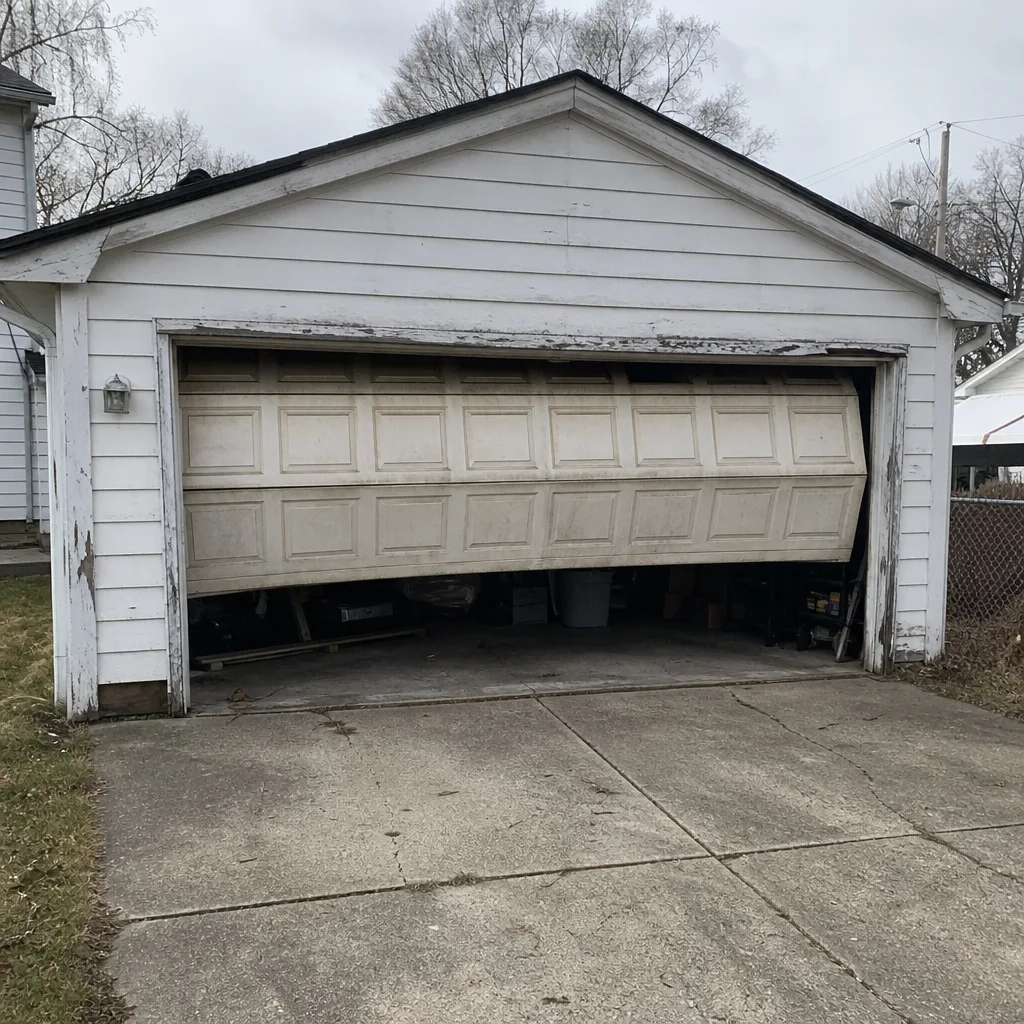 Before
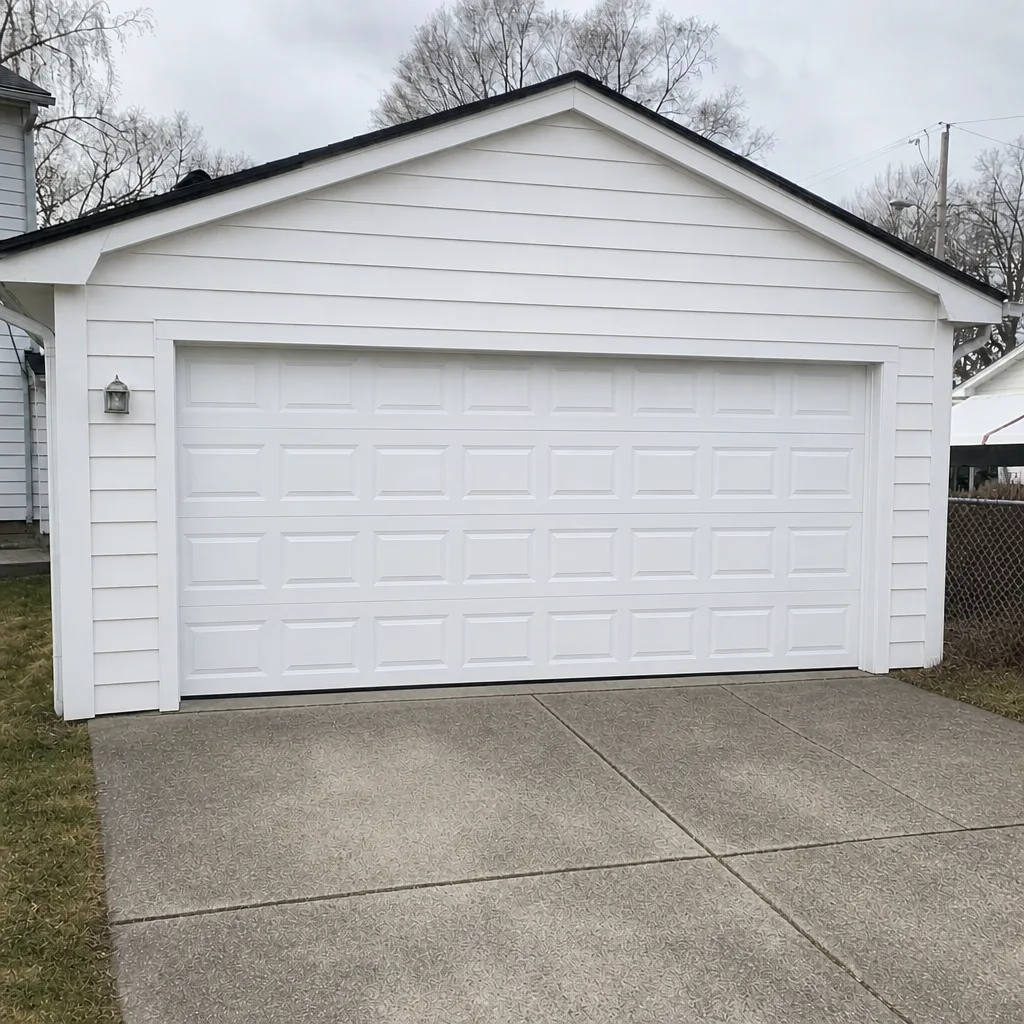 After
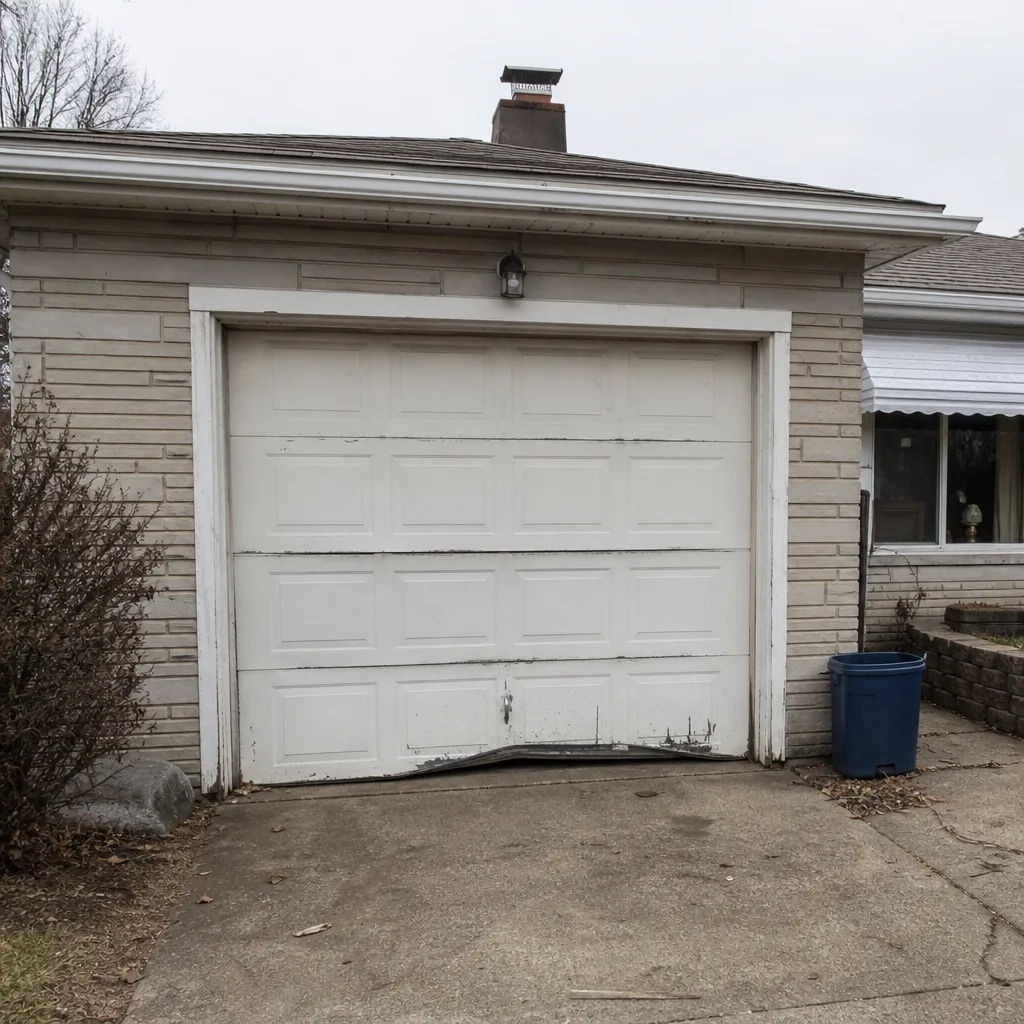 Before
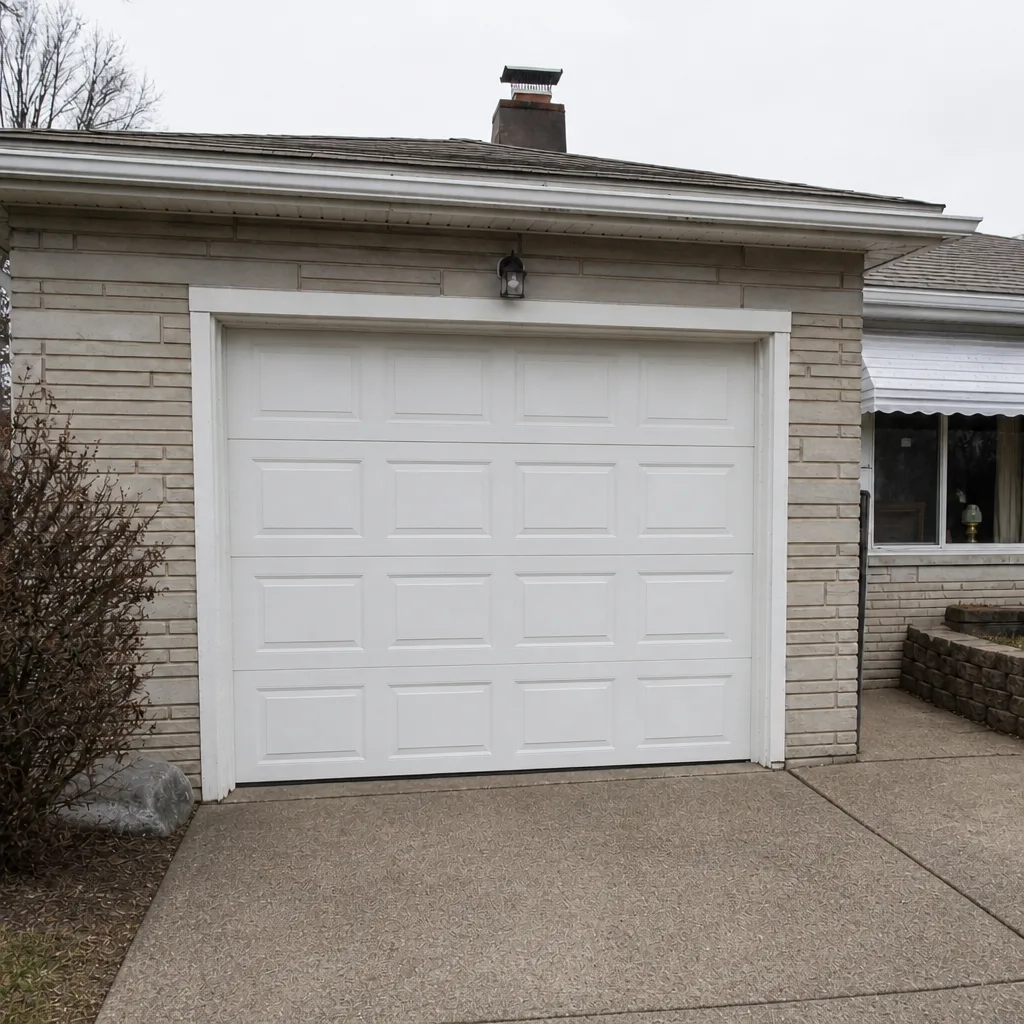 After
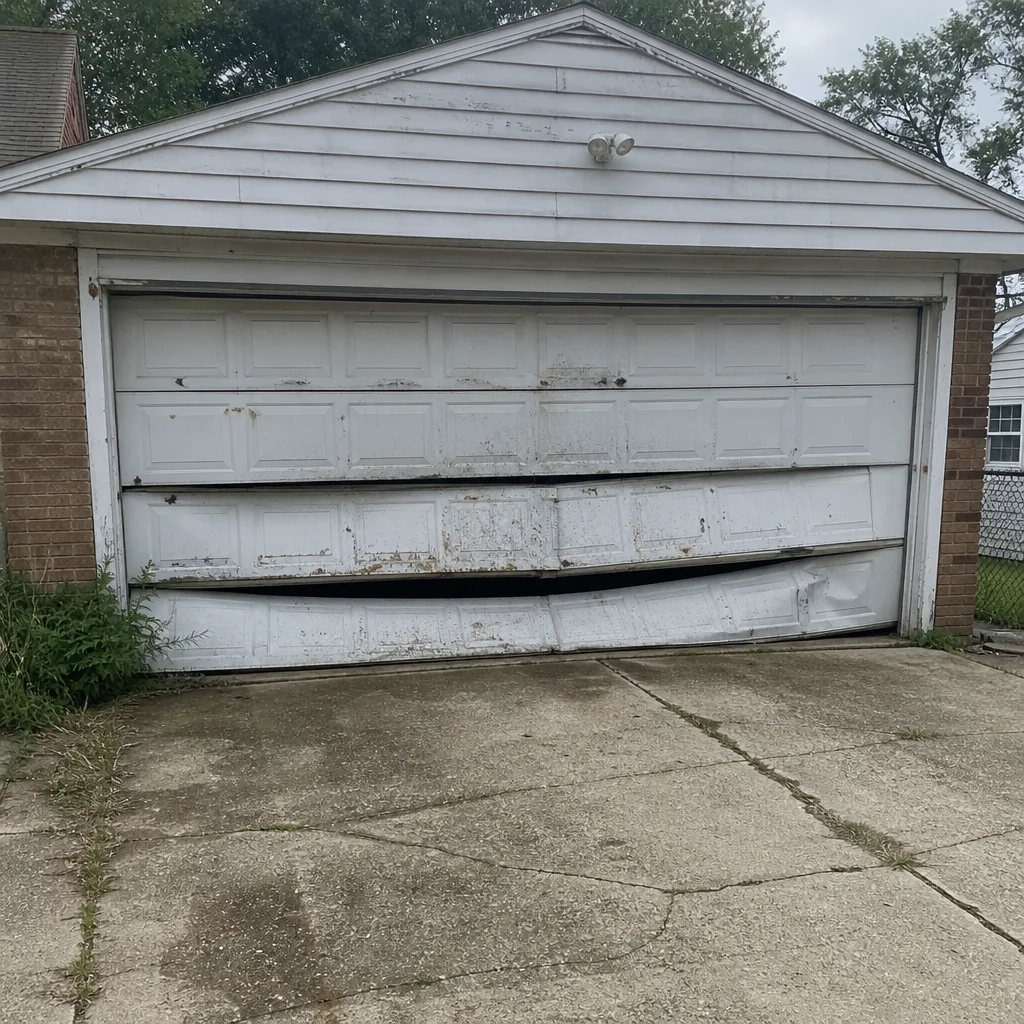 Before
 After
When to Call a Professional
Call a professional for anything involving springs, cables, tracks after a jump or bend, or any door that isn’t resting on solid counterbalance. Call for an opener that’s burning out motors, showing codes, or behaving unpredictably after a power event. Call for a panel or door that’s damaged and needs to be measured and ordered correctly, and for any door installation where the brand, size, style and opener need to line up. Also call for a door that’s out of warranty and needs a real diagnosis: a trained eye on your brand catches problems a homeowner’s visual check can’t. Our garage door spring repair team handles the hardest category of work on the list, and we handle the rest of the door with the same single-source approach. Warren Garage Door Repair Pros offers free estimates in Warren – call (866) 928-4063. We answer 24/7. Fast dispatch, 7am-7pm, Sunday through Friday.
Frequently Asked Questions
No. Torsion and extension springs store enough energy to cause fatal injuries when they release, and spring repair requires correct tools, correct spring sizing and specific winding knowledge. Homeowners should not attempt spring work regardless of general mechanical ability. Call (866) 928-4063 for a free estimate.
It’s worth it for maintenance tasks: lubrication, sensor alignment, weatherstripping, remote reprogramming and visual inspections. It’s not worth it for anything under tension, because the cost of an emergency repair, a burned-out opener or a bent track nearly always exceeds the price of a professional repair. Call for a free estimate and compare before you decide.
Weatherstripping, rollers (with awareness of door balance), and non-roller hinges are reasonable DIY tasks for a confident homeowner. Panels, springs, cables and anything that requires the door to be lifted off its track should go to a trained technician.
It depends on the damage. A spring repair and an opener replacement are separate repair categories, and a bent track on top of a broken spring is a bigger job than either. The final price is set per job by the written estimate. Call (866) 928-4063 for an exact quote – estimates are free.
Yes. Same-day repair is a core offering, and we answer 24/7. Fast dispatch runs 7am-7pm, Sunday through Friday. If you’re mid-task with a spring wound or a cable loose, say so when you call, because that changes what we tell you to do next.
No. The written estimate is the price, and it’s agreed before any work starts. If the technician finds something the estimate didn’t cover, they’ll explain it and get your approval first. Call (866) 928-4063 for a free estimate.
Yes. The local professionals we connect you with are state-licensed and insured as their state requires. Our technicians have up to 11 years of experience, and we work on all the door and opener brands you’re likely to have. Call (866) 928-4063 with your brand and the symptom, and we’ll take it from there.
The Bottom Line
The DIY vs professional question for garage doors isn’t about your skill level. It’s about which parts of the door are holding dangerous stored energy. Lubrication, sensor alignment, weatherstripping, remote reprogramming and visual inspections are genuine DIY territory. Springs, cables, tracks after a jump and full installations are not, no matter how confident you are. Our garage door opener repair and garage door repair teams handle the professional-only categories every week, and we work on your brand – Chamberlain, Genie, Clopay, Amarr and more. If you’re stuck, stop, step back and call. At Warren Garage Door Repair Pros, free estimates and same-day service are standard, and the price is agreed before any work starts.
If your door needs a pro’s eye, call (866) 928-4063 for a free estimate. We answer 24/7. Fast dispatch, 7am-7pm, Sunday through Friday, and we’ll tell you honestly whether your situation is a DIY task or a job for trained hands.
Written by the team at Warren Garage Door Repair Pros.