
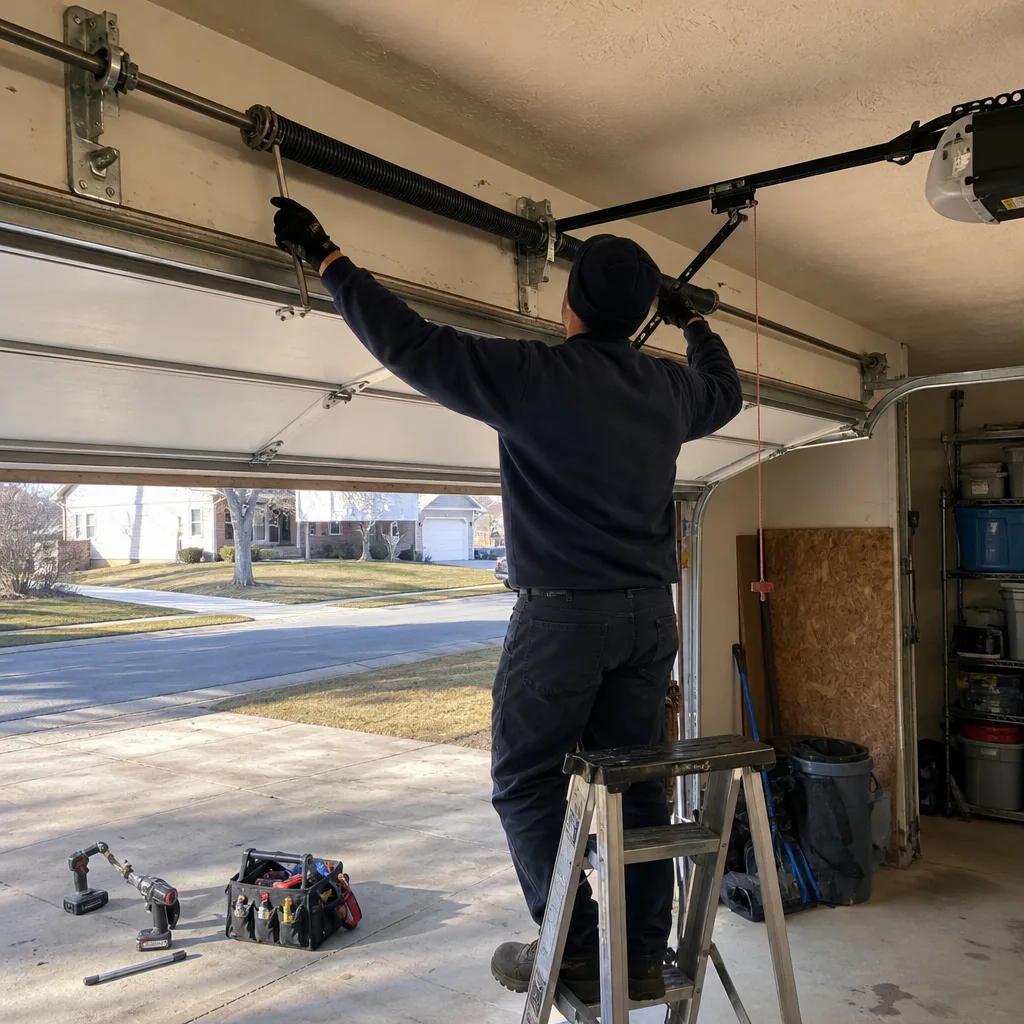
Last updated November 22, 2026
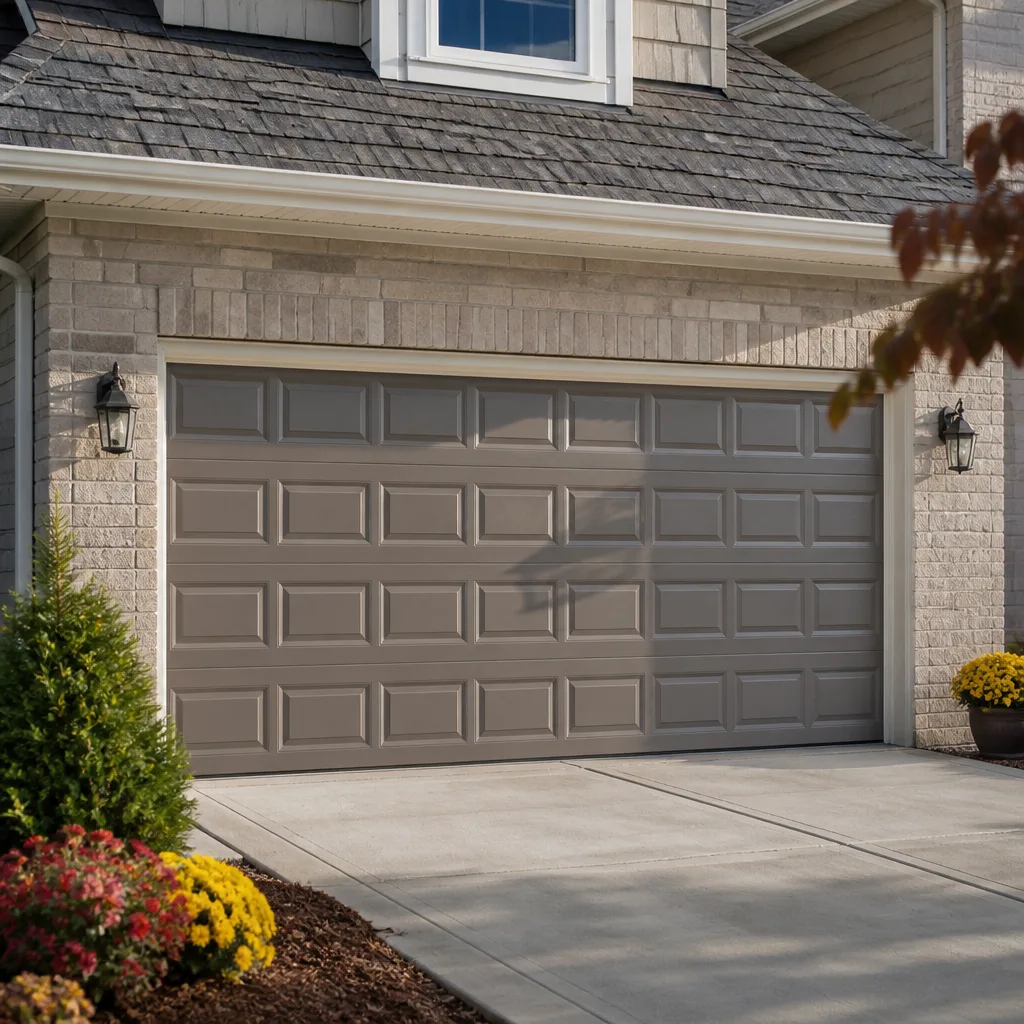 Raised-panel steel
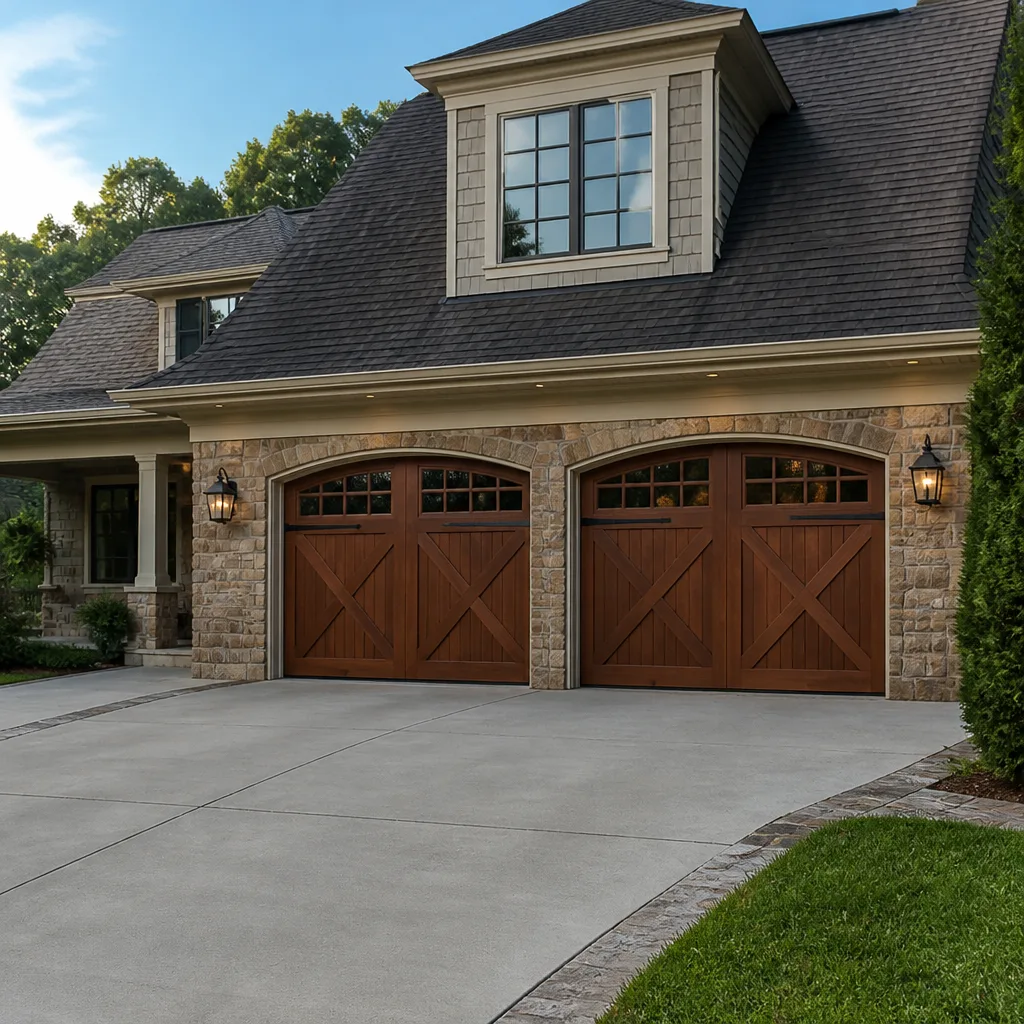 Carriage house
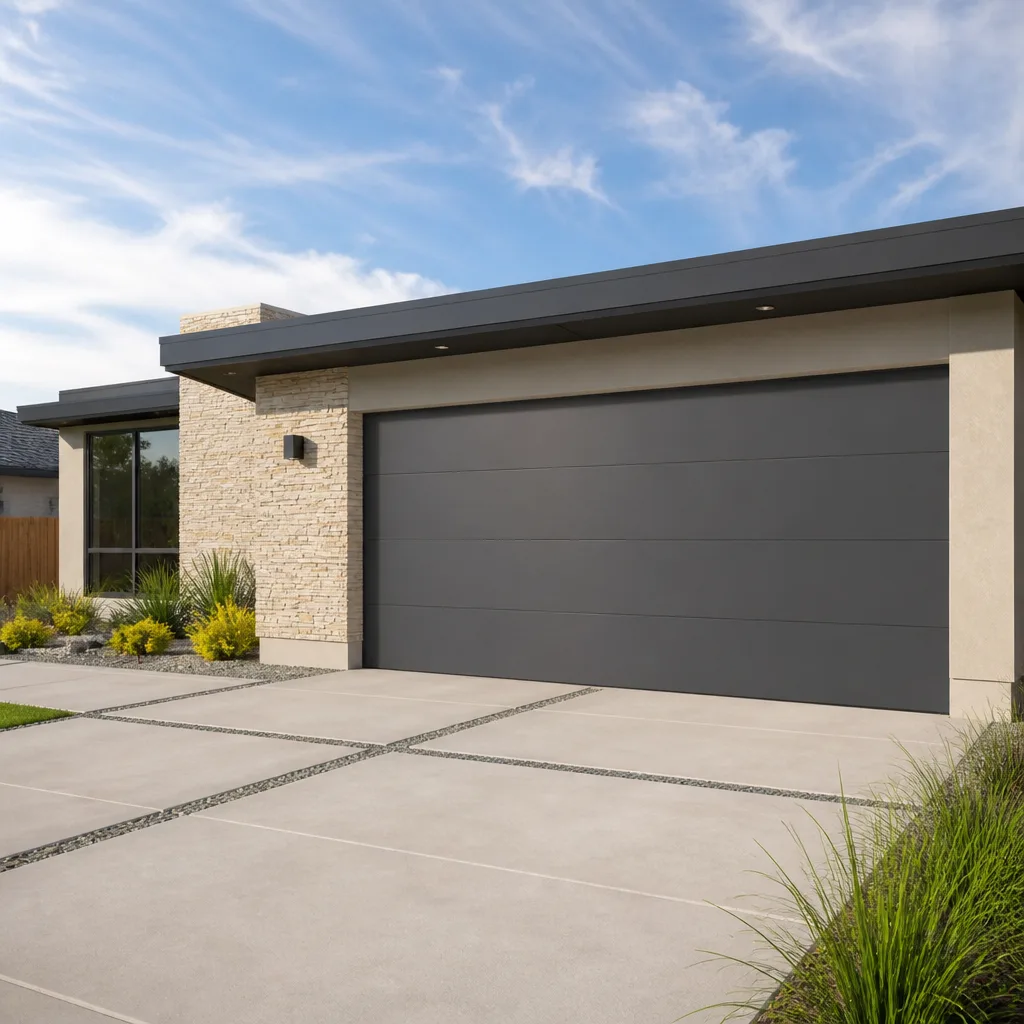 Modern flush
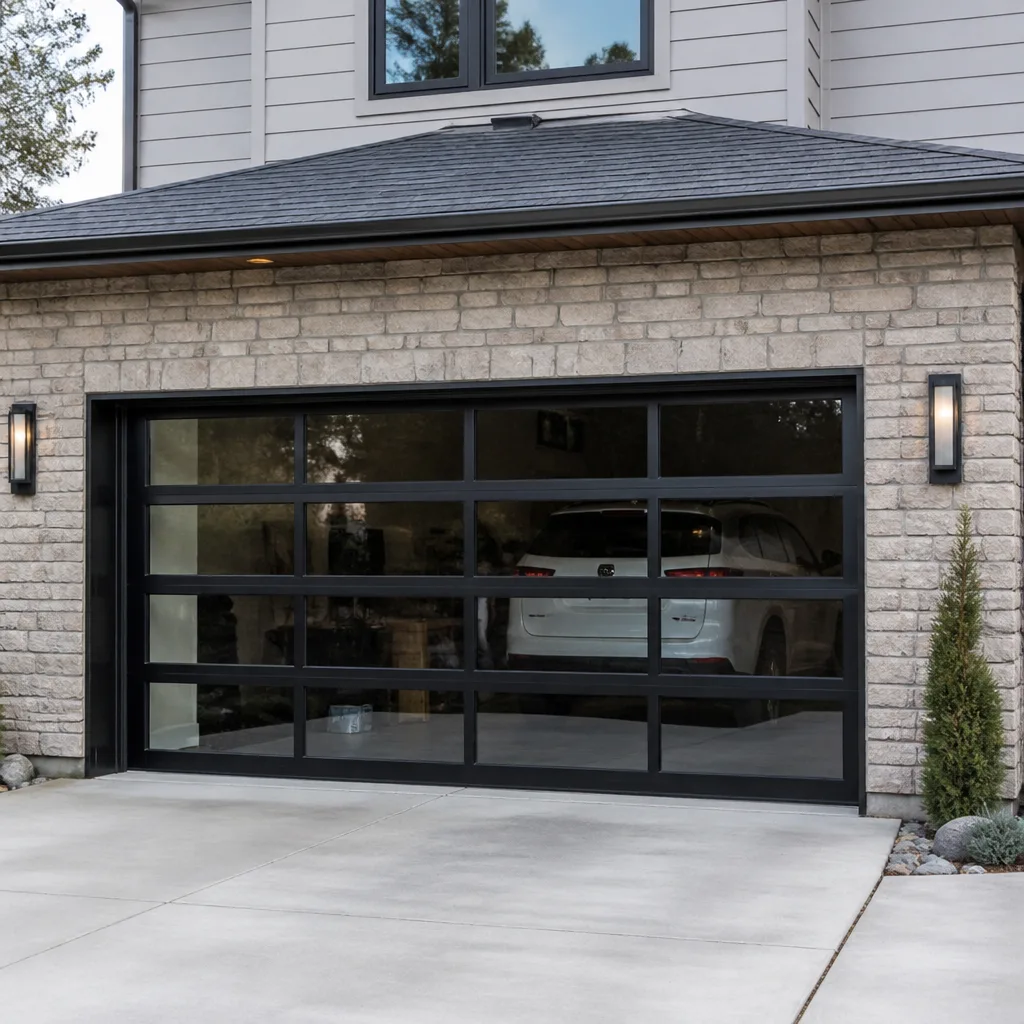 Full-view glass
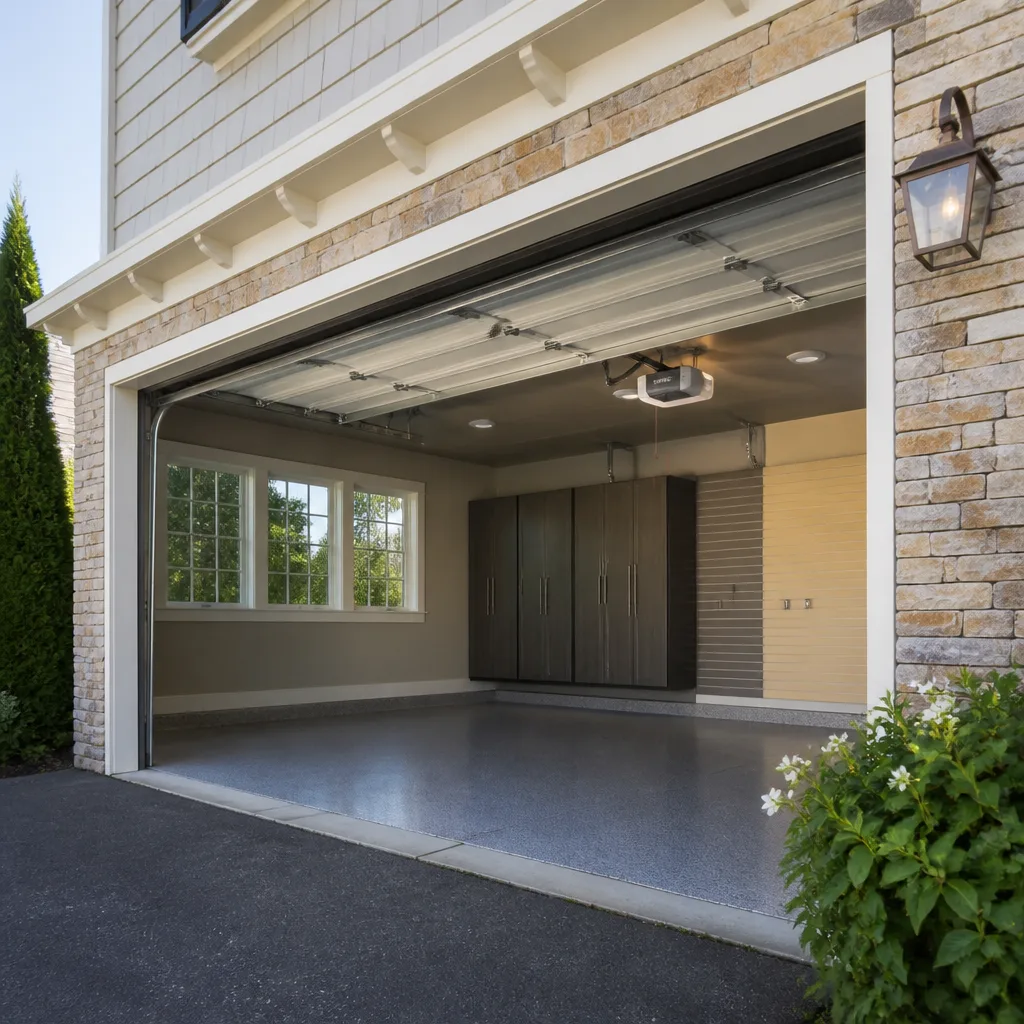 LiftMaster openers
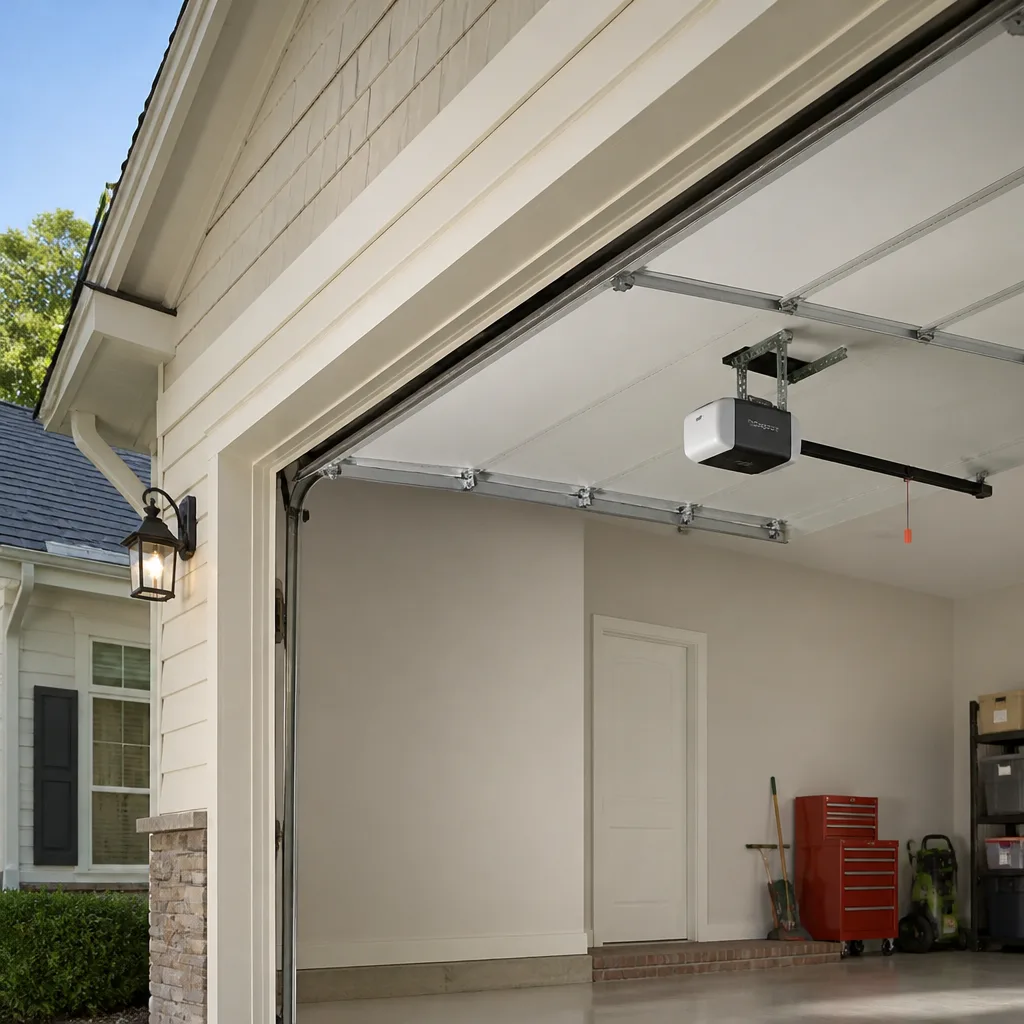 Chamberlain openers
Full 25-point door and opener safety check with every visit - springs, cables, rollers, tracks, and your LiftMaster or Chamberlain opener included
You get a price before we start. It does not change when the pro arrives.
Get your free estimateThe Complete Guide to Garage Doors in Warren
Most “complete guides” you’ll find online are national content with a city name pasted in. They won’t tell you why Warren’s freeze-thaw cycle is harder on bottom seals than milder parts of Trumbull County, or which door styles actually fit the city’s dominant 1960s through 1980s ranch and split-level builds. That’s the gap this guide closes. Everything below is written from the perspective of people who work on Warren garage doors every week, with the local climate, housing stock, and code realities as the starting point, not an afterthought. By the end, you’ll know how to diagnose a problem, when to repair versus replace, what things cost, and what to look for before you buy.
Quick Answer
A garage door in Warren needs to be chosen and maintained for a hard freeze-thaw climate. That means prioritizing weatherstripping and bottom-seal quality, having springs checked before winter, and understanding that pre-1990 ranch and split-level homes here have specific rough opening sizes that limit which doors and openers fit cleanly. Repair usually wins on a door in decent structural shape; replacement wins once the door is bent, rusted through, or has failing panels that keep costing you money.
Styles & brands we work with
- Raised-panel steel
- Carriage house
- Modern flush
- Full-view glass
- LiftMaster openers
- Chamberlain openers
Table of Contents
- How Warren’s freeze-thaw cycle wears your door down
- What Warren’s housing stock means for your door and opener
- Full lifecycle cost: buy, install, maintain, replace
- Brand availability and serviceability in Warren
- Repair or replace? A concrete decision framework
- Springs, cables, and why they’re the safety-critical part
- Openers: legacy vs. smart systems in Warren homes
- A simple preventive maintenance calendar for Warren
How Warren’s freeze-thaw cycle wears your door down
Warren sits in a climate that swings hard between freezing and thawing through winter, and that cycle is the single biggest environmental factor in how fast your garage door parts degrade. It’s also the thing most national guides ignore. When water gets into a seal or track and then freezes, it expands. When it thaws, it contracts. Repeat that dozens of times across a Trumbull County winter and you get accelerated wear on the parts that flex and seal.
Here’s what we see that cycle do, in order of how quickly it hits:
- Bottom weatherstripping and seals. The rubber or vinyl that sits against the floor takes the most direct freeze-thaw beating. It cracks, hardens, and loses contact with the floor. That leaves a gap where cold air and moisture get in, which then feeds the same problem next season.
- Rollers and hinges. Moisture migrates into steel rollers and hinge pivots along the track, rusts them, and they start to grind instead of roll. Nylon rollers resist this better than steel in this climate.
- Spring tension. Cold cycles through a torsion or extension spring repeatedly. Springs don’t crack from cold directly, but the constant load cycling combined with temperature swings shortens the working life compared to a stable climate. That’s why spring failures here tend to cluster at the start of a cold snap, when the door is heaviest to lift and the spring is at the end of an already-stressed season.
- Tracks and photo-eye alignment. Small ground movements from frost heave can knock a track out of plumb or shift a photo-eye enough to break the beam.
What to prioritize at purchase
If you’re buying a new door in Warren, the specs that matter most for this climate aren’t the flashy ones. Prioritize a good bottom seal with a design that stays flexible in cold, nylon or sealed-bearing rollers, insulated panels if the garage shares a wall or sits under living space, and a door that meets or exceeds the manufacturer’s wind rating for the area. Ask what the seal is made of and how it holds up in cold, not just how it looks.
What Warren’s housing stock means for your door and opener
Most of Warren’s residential neighborhoods grew up between the 1960s and the 1990s, and that era of ranch and split-level construction shows up in the garage too. If your home was built in that window, the door and opener choices available to you are partly dictated by how the builder framed the opening. This is the reality check that generic guides skip.
A few things we look at before recommending anything:
- Rough opening size. Single-car openings in Warren’s pre-1990 builds are commonly in the 8-to-9 foot wide range, and double-car openings usually land around 16 feet. Standard doors are made to these sizes, but older or custom builds can be an inch or two off, which means a custom-sized door or adjustment to the opening. Measure before you shop, and measure at the widest point, not just the middle.
- Header height. The space above the opening, called the header, determines whether a standard torsion or extension spring setup fits, and how much room an opener needs. Some ranch homes have low headers that push you toward a low-headroom setup.
- Ceiling clearance. Split-levels sometimes have a lower garage ceiling or a beam running through it. That affects which openers and rail types install cleanly.
- Side room. The track needs clearance on both sides of the opening. If a wall or a heating unit crowds one side, that constrains the door and track configuration.
The practical takeaway: don’t assume a standard off-the-shelf door drops in. On a Warren ranch or split-level built in this window, a quick on-site measure by someone who installs in the area regularly will save you a return. If you want a technician to look at the opening and tell you exactly what fits, that’s part of a free estimate when you schedule a garage door repair visit.
Full lifecycle cost: buy, install, maintain, replace
Comparing garage doors on sticker price alone is how people end up disappointed. The number that matters is total cost of ownership over the door’s life, and that means factoring in purchase, installation, ongoing maintenance, and eventual replacement. Here’s the framing we use with homeowners across Warren.
The four cost buckets
- Purchase. The door itself, plus any hardware that ships with it. Prices vary widely by material, insulation, and size. Steel is the most common and most affordable for this market; wood and composite cost more upfront and need more upkeep.
- Installation. A professional install includes removing the old door, setting the tracks, springs, and opener, and balancing the whole system. Installation is not a place to save a few dollars, because a badly installed door wears out faster and can be unsafe.
- Maintenance. Lubrication, seal replacement, roller and hinge checks, and spring attention. This is the cheapest bucket and the one that most extends life. Annual maintenance on a door in Warren pays for itself by catching seal and roller problems before they escalate.
- Replacement. Every door eventually needs it. The goal of good maintenance is to push that day out and get full value from the door you bought.
How the costs compare over time
A cheaper door with a thin seal that fails every two winters will cost you more in seal replacement and energy loss than a slightly better door with a durable seal. Same logic applies to openers: a basic unit that grinds through cold winters may need repair sooner. When you compare two options, ask what each will cost you in maintenance over the expected life, not just what it costs to buy. For exact numbers on your specific project, get a written estimate, since the final price is set per job by the written quote, and the estimate is free.
Brand availability and serviceability in Warren
Warren and the rest of Trumbull County have a real garage door market, which means most of the major brands are available through dealers and suppliers. But availability and long-term serviceability are two different questions. A brand that’s easy to buy but whose parts are hard to source locally will cost you more down the road.
In our experience, the brands that hold up best for Warren homeowners are the ones with wide parts distribution and openers that technicians are trained on. LiftMaster and Chamberlain are common opener choices here and are well-supported. Raynor and Craftsman doors and openers show up in a lot of local homes too. The point isn’t to pick a brand because it’s popular. It’s to pick a brand where repair parts are findable and the technician actually knows the system.
Questions to ask before you commit to a brand
- Can this brand’s parts be sourced locally within a reasonable time if something fails?
- Does the technician who will service my door actually work on this brand regularly?
- Is the opener model still supported by the manufacturer, or is it discontinued?
- Are smart features supported in this model, or locked to a discontinued app?
What “serviceable” actually means
A serviceable door and opener is one where a trained technician can diagnose the problem and get the right part without weeks of waiting. That’s the real value. If you’re buying a new system, ask the installer whether they service that brand themselves. We work on a wide range of brands, so if you’re unsure whether your existing door or opener is one we handle, give us a call and we’ll tell you straight.
Repair or replace? A concrete decision framework
This is the question we get most often, and it doesn’t have a single right answer. But there’s a framework that gets you to a confident decision. Run your door through these thresholds.
Repair is usually the right call when:
- The door panels are straight and structurally sound. Cosmetic scratches or faded paint aren’t reasons to replace.
- One part failed: a spring, a roller, an opener board, a hinge. A single-point failure on an otherwise solid door is a repair.
- The door is under roughly two decades old and hasn’t had repeated panel or track problems.
- The cost of the repair is a small fraction of a new door, and the door has years of service left in it.
Replacement is usually the right call when:
- Panels are bent, rusted through, or separating, especially along the bottom where freeze-thaw damage concentrates.
- The door has been repaired repeatedly for the same problem. If you’re calling for the third time in two years, you’re paying for a door that’s telling you it’s done.
- The opener is discontinued and parts can’t be sourced, and the door is already showing wear.
- You need better insulation, a different size, or a style that fits your home, and the door needs work anyway.
How to decide in practice
Start with the door’s structural condition, not its age. A well-maintained Warren door can run well past two decades. An abused door can be done in ten. Get a hands-on inspection before committing to either path. If you’re unsure, a free estimate will tell you what’s needed and let you compare repair against replacement on real numbers. That’s the whole point of the framework.
Springs, cables, and why they’re the safety-critical part
Garage door springs and the cables they connect to are the most dangerous components on the entire system. A torsion spring under tension or an extension spring under load can cause serious injury if it lets go while someone is working on it. This is the one part of garage door work where we won’t tell a homeowner to attempt it, and we’d rather say that plainly than give instructions that could hurt someone.
Here’s what you can safely understand and check:
- What the spring does. Springs counterbalance the weight of the door. A torsion spring is mounted on a bar above the door; extension springs run along the horizontal tracks on each side. Both store significant energy.
- Signs of a failing spring. The door feels unusually heavy when you lift it manually, the opener strains to lift it, the door slams instead of easing down, or you can see a visible gap in a torsion spring coil. Any of these is a reason to stop using the opener and call a professional.
- Cables. Cables run from the spring system to the bottom corners of the door. If a cable is frayed or loose, don’t touch it. Call for service.
- The opener is not a safety net. If a spring has failed, the opener is doing all the lifting. Running it that way overheats the motor and can strip the drive gear, which is an expensive problem on top of the spring.
Spring repair is a named specialty for a reason. It’s technical, it’s high-risk, and it needs trained hands. If your spring has failed and you need a garage door spring repair, stop using the door and call a professional. We answer 24/7, and same-day service is available for spring failures. This isn’t a job for a general handyman, and it isn’t a job for step-by-step internet instructions.
Openers: legacy vs. smart systems in Warren homes
Warren’s garage openers span a wide range. Some homes still run a legacy Craftsman or a chain-drive LiftMaster that’s been going for years, while newer builds and recent replacements have Wi-Fi-enabled myQ and smart-home systems. The good news is that technicians who work on the major brands can handle both ends of that range. The confusing part is when a homeowner with an older system gets advice that assumes a modern one.
What to consider for a legacy opener
- Parts availability. Some older models are discontinued and replacement boards or gears can be hard to find.
- Safety features. Older openers may lack the auto-reverse and photo-eye safety systems that current models have. If yours doesn’t have those, that’s worth a conversation with a technician.
- Noise and smoothness. Chain-drive units from this era can be loud and jerky. Belt-drive replacements are quieter.
What to consider for a smart opener
- App and ecosystem support. A smart opener is only as good as the app that runs it. Check whether the model is still supported by the manufacturer before buying.
- Wi-Fi reliability. A weak signal in the garage will break the smart features. A range check before install matters.
- Integration. If you’ve built your home around one ecosystem, pick an opener that fits it rather than fighting it.
Whether you’re diagnosing a legacy opener that’s grinding or setting up a new smart system, the technician’s knowledge of the specific brand matters more than the label on the box. If your opener is struggling, a garage door opener repair visit will tell you whether it’s a simple fix or a replacement.
A simple preventive maintenance calendar for Warren
Good maintenance in this climate doesn’t need to be complicated. A few checks a year will add years to your door and springs. Here’s the routine we recommend to Warren homeowners.
Every season
- Look at the bottom seal. Run your hand along the bottom of the door where it meets the floor. If you feel gaps, cracks, or hardening, replace the seal before cold weather.
- Test the safety reverse. Put a small object in the door’s path and close it. The door should reverse. If it doesn’t, call for service.
- Check the photo-eyes. The two sensors near the floor should be aligned and the indicator lights steady. Clean the lenses if they’re dusty.
- Listen to the door. A door that grinds, squeals, or bangs is telling you something. Note which part of the cycle the noise happens and mention it when you call.
Twice a year (before and after winter)
- Lubricate. A garage door lubricant on the hinges, rollers, and spring (for torsion springs, a proper spring lubricant applied by a technician) reduces wear.
- Look at the springs and cables. Don’t touch them, but look for a visible gap in a spring coil or a frayed cable. If you see either, call.
- Balance test. Disconnect the opener and lift the door halfway by hand. It should stay in place. If it drifts down or feels very heavy, the spring tension is off.
If any of these checks turn up a problem, get it looked at before the season turns. A garage door repair call in the fall is cheaper than an emergency in January.
Common Mistakes to Avoid
- Buying a door without measuring the opening. Standard sizes fit most Warren homes, but pre-1990 ranch and split-level builds sometimes have openings that are an inch or two off. Measure the widest point before you shop, or you’ll be returning a door.
- Ignoring the bottom seal through winter. That seal is the first line of defense against freeze-thaw damage. If it fails, moisture gets into the tracks and the damage compounds. Replace it in the fall, not after it’s already letting cold in.
- Running the opener on a failed spring. When a spring breaks, the opener takes the full load. That strips gears and burns out motors. Stop using the door and call for spring service.
- Attempting spring or cable work yourself. These parts store enormous energy. This is the one job where a professional is the only safe option, no exceptions.
- Choosing a brand by sticker price alone. A brand whose parts are hard to source locally will cost you more in the long run. Ask whether the installer services the brand themselves before committing.
- Skipping the balance test. A door that doesn’t hold halfway is telling you the spring tension is off. Ignoring that leads to a spring failure and a stranded car.
- Replacing a door that just needed a repair. A single failed spring or a bent roller on an otherwise sound door is a repair. Don’t let a sales pitch talk you into a new door before you’ve had it inspected.
See the difference
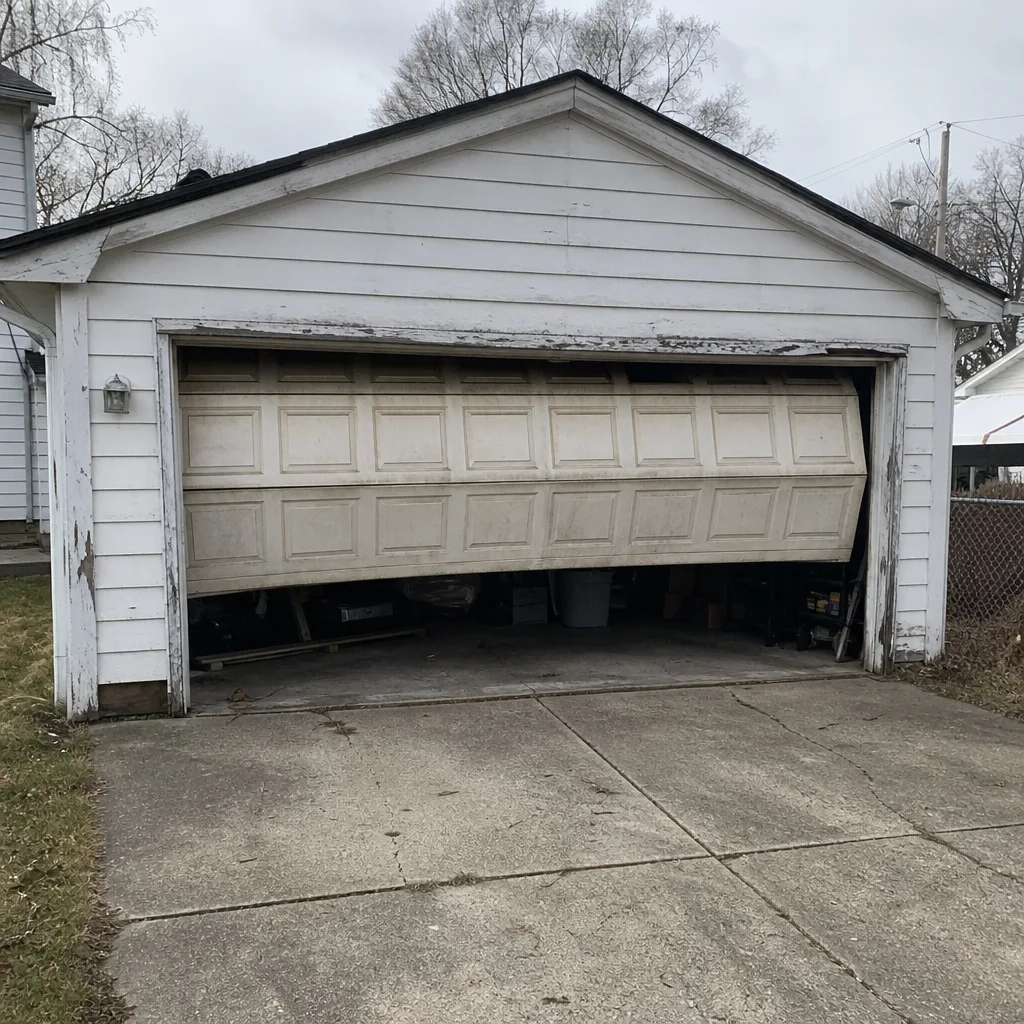 Before
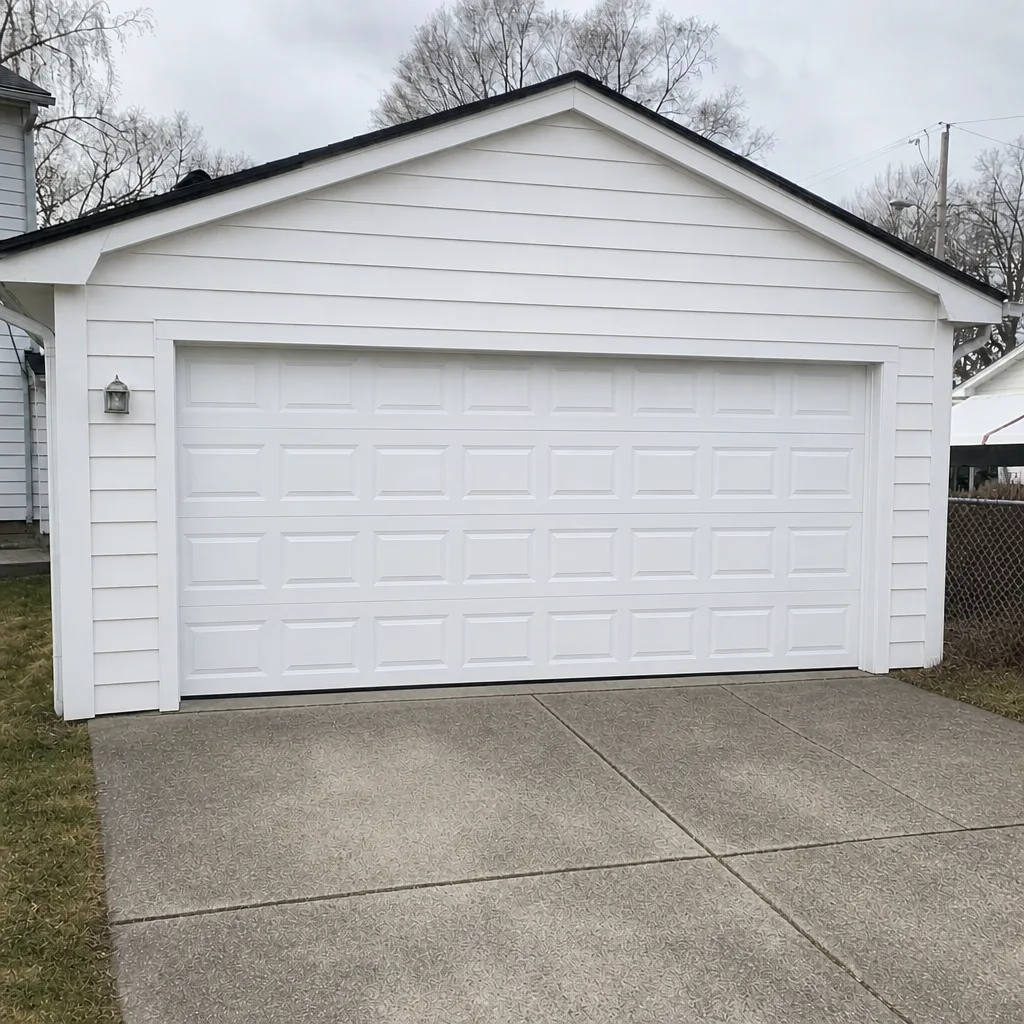 After
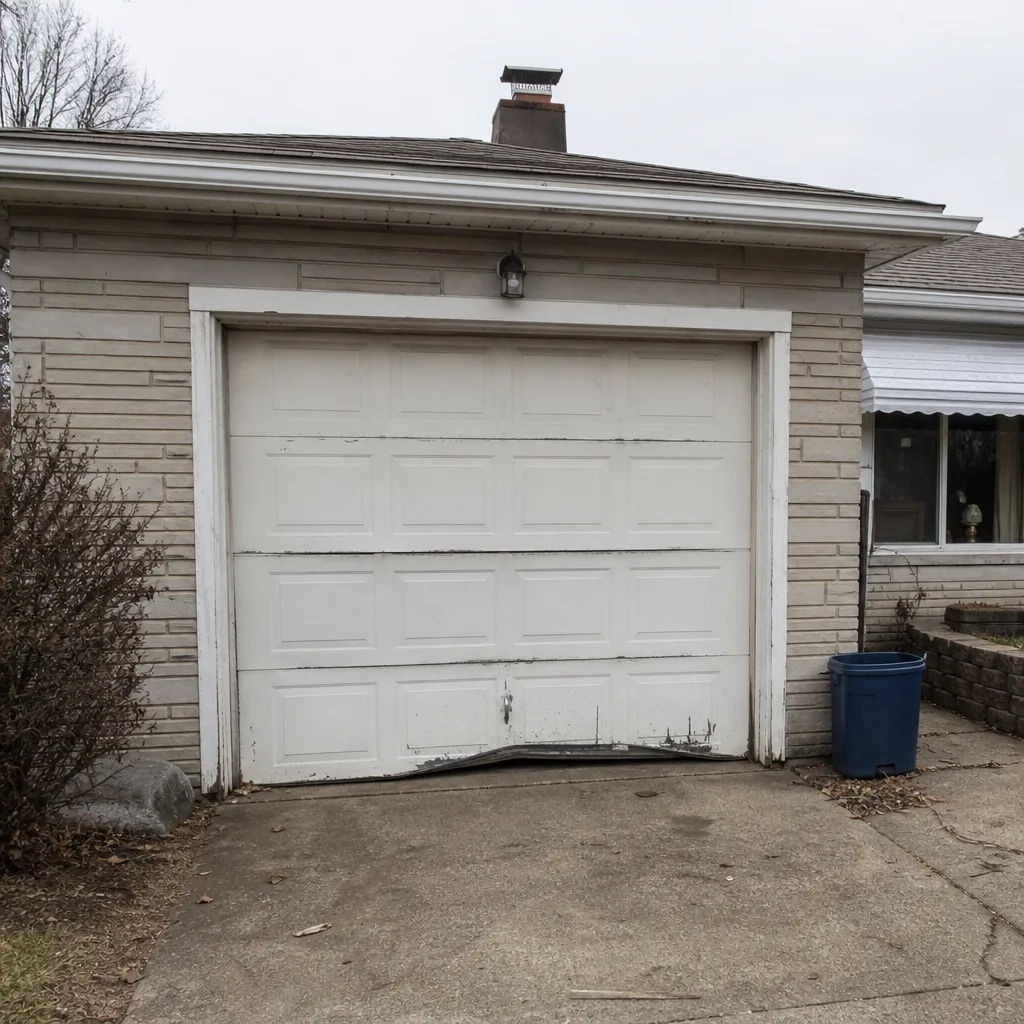 Before
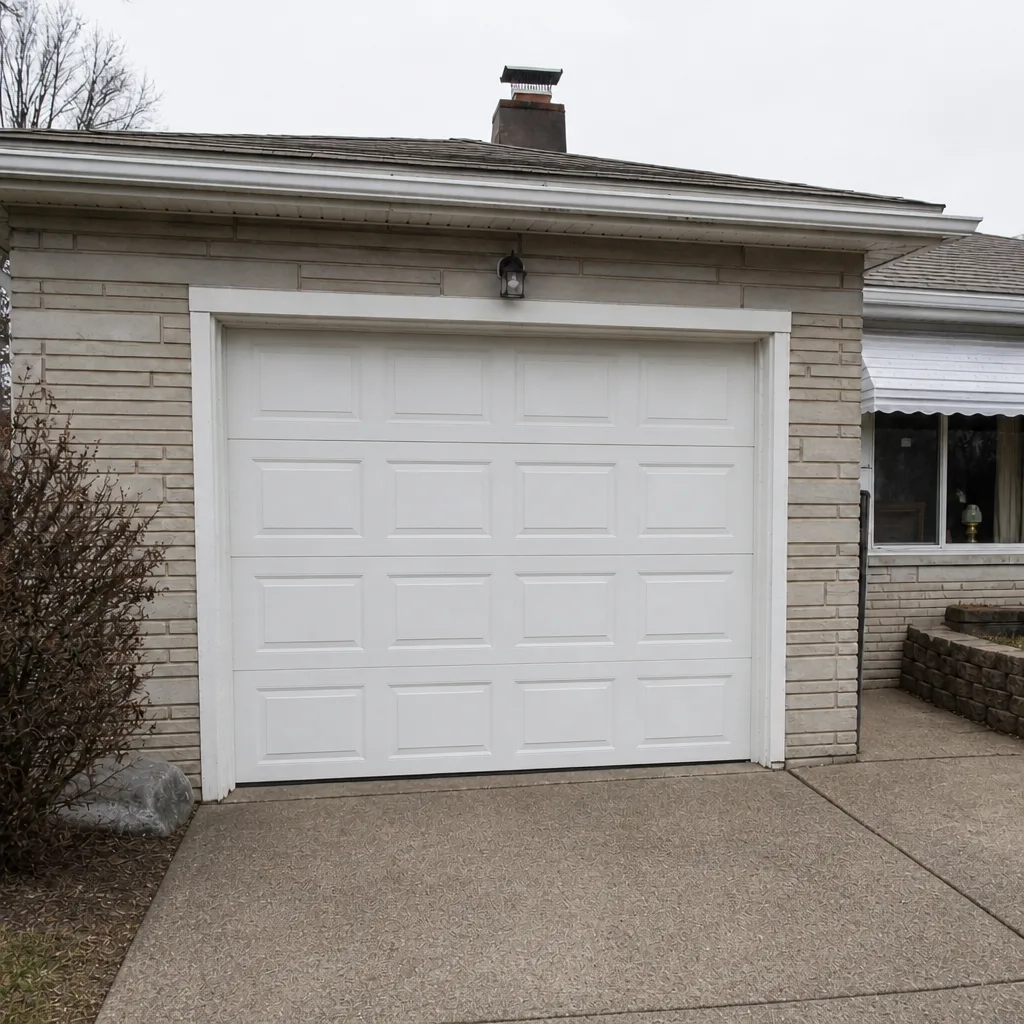 After
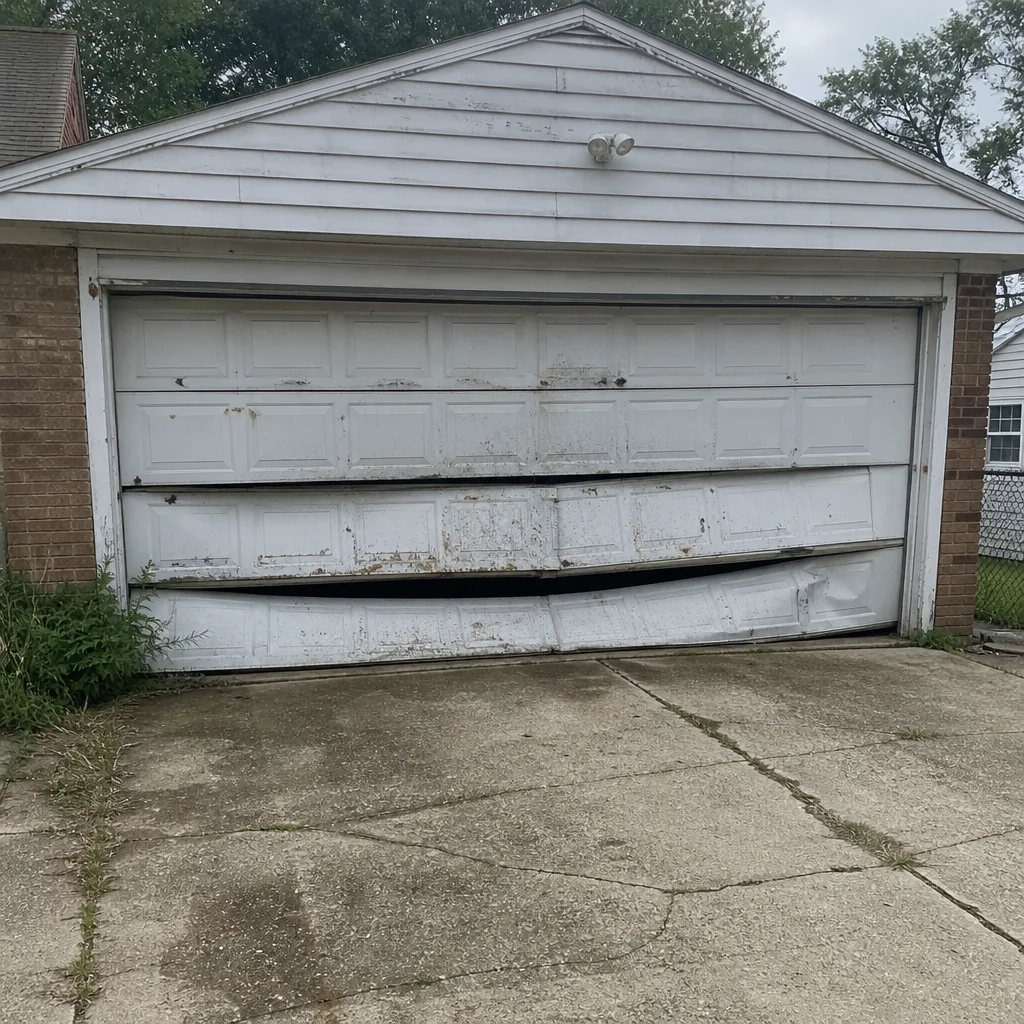 Before
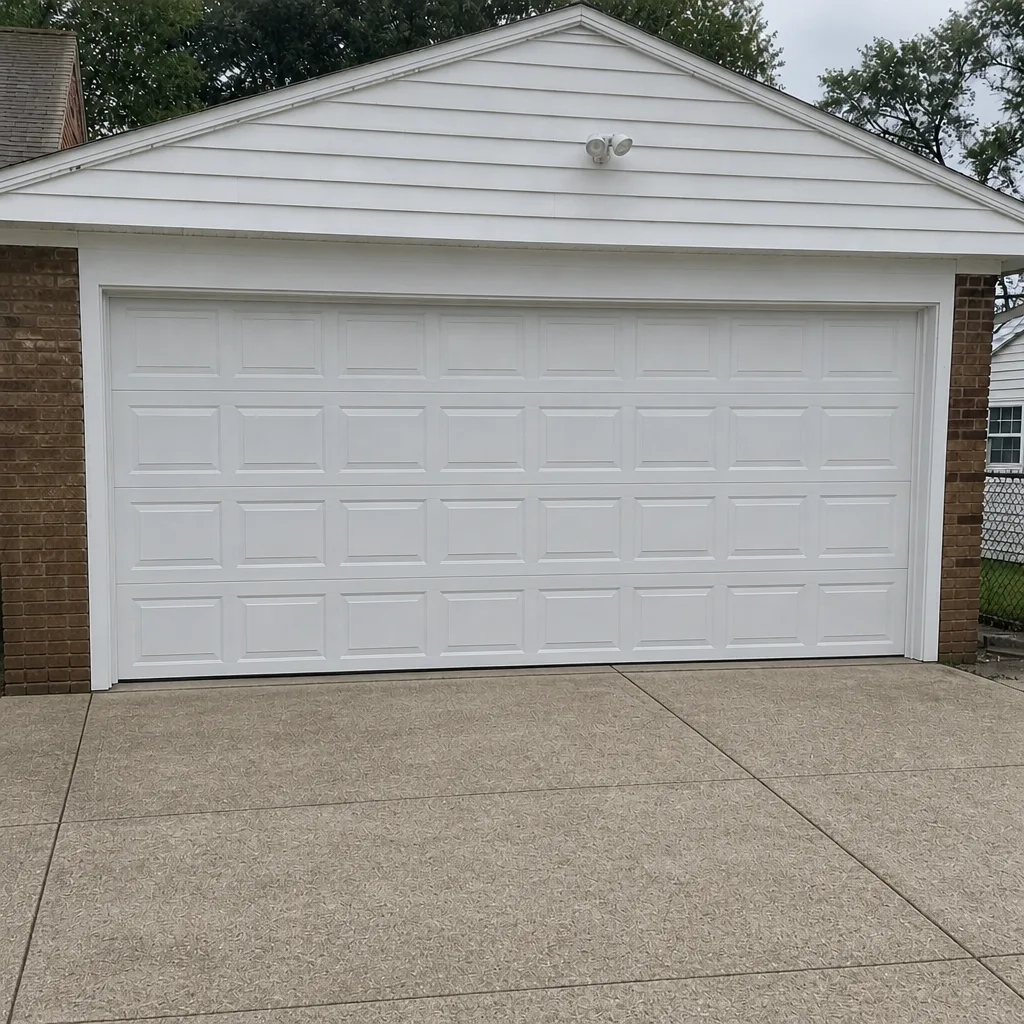 After
When to Call a Professional
Some jobs are fine to handle yourself: replacing the bottom seal, lubricating the hinges, swapping a battery in the opener remote. But call a professional the moment any of these come up: a broken spring, a frayed or loose cable, a door that’s off its tracks, a door that won’t close evenly, a door that reverses for no apparent reason, or an opener that strains to lift the door. Those are the cases where an untrained attempt can turn a repair into an injury or a much bigger bill. Warren Garage Door Repair Pros offers free estimates in Warren. Call (866) 928-4063. We answer 24/7, and fast dispatch runs from 7am to 7pm, Sunday through Friday.
Frequently Asked Questions
Repair costs in Warren depend on the job. A seal or roller replacement is at the low end; a spring or opener repair costs more. The exact figure depends on the door and the parts needed. Every job starts with a free estimate, and the written quote sets the price before any work starts, so you’ll know the number before we begin. Call (866) 928-4063 for an exact quote – estimates are free.
Often, yes. For repair and emergency work, same-day service is available, and spring failures get priority. We answer 24/7. Fast dispatch runs from 7am to 7pm, Sunday through Friday. If you call outside dispatch hours, we book you into the next opening. Call (866) 928-4063 to get on the schedule.
No. The written estimate is the price. We inspect the door, tell you what’s needed, and quote it before any work starts. If a job turns out to need something we didn’t anticipate, we’ll explain it and get your approval before proceeding. The price you agree to is the price you pay. Call (866) 928-4063 for a free estimate.
Yes. The local professionals we connect you with are licensed and insured as their state requires. Our technicians have up to 11 years of experience and work exclusively in the garage door trade, not as a general handyman operation. Call (866) 928-4063 for a free estimate.
Warren gets hard freezes and freeze-thaw cycles through the winter, and yes, that’s harder on your door than a mild climate. The bottom seal, rollers, and spring tension all take more wear. Winterizing your door in the fall (seal check, lubrication, balance test) will extend its life. If you’re not sure how your door is holding up, call (866) 928-4063 and get it looked at before the cold sets in.
Repair if the door is structurally sound and a single part has failed. Replace if the panels are bent or rusted through, or if you keep repairing the same problem. Age matters less than condition. A hands-on inspection is the only reliable way to decide, and a free estimate will give you both options side by side. Call (866) 928-4063 for a free estimate.
The Bottom Line
A complete guide to garage doors in Warren has to start with the local climate and housing stock, because those two factors shape almost every decision you’ll make. Freeze-thaw cycles wear out seals, rollers, and springs faster than in milder climates, so prioritize those parts and check them before winter. Pre-1990 ranch and split-level homes have specific openings and clearances that constrain what fits, so measure before you buy. Compare doors on lifecycle cost, not sticker price. Repair a sound door with a single failure; replace one that’s bent, rusted, or repeatedly failing. And treat springs and cables as a job for trained professionals. For everything else, we’re here to help.
Whether you need a repair today, a spring looked at before the cold, or a plan for a full replacement, Warren Garage Door Repair Pros is your single source. We work on Craftman, LiftMaster, Chamberlain, and the other major brands, so we diagnose your actual system, not a guess. Call (866) 928-4063 for a free estimate. We answer 24/7. Fast dispatch from 7am to 7pm, Sunday through Friday.
Written by the team at Warren Garage Door Repair Pros.