
Last updated November 22, 2026
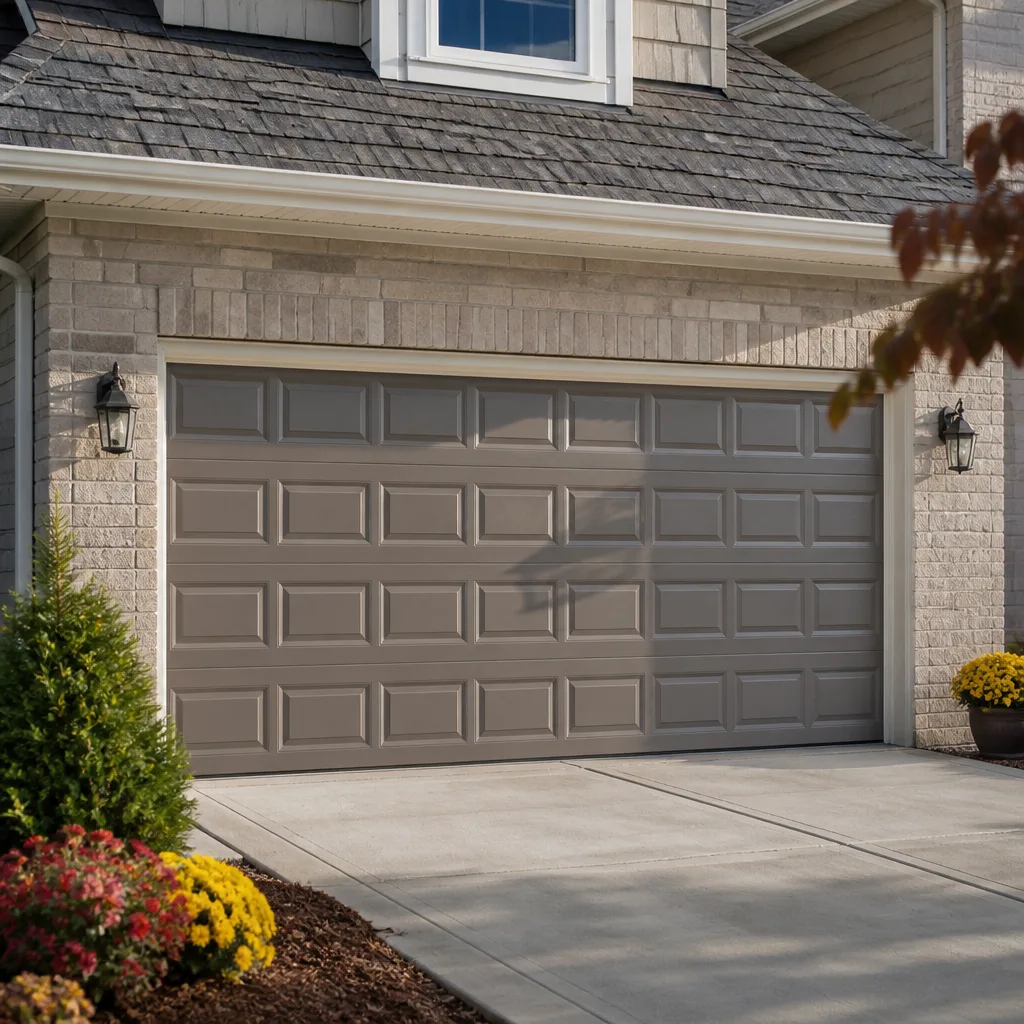 Raised-panel steel
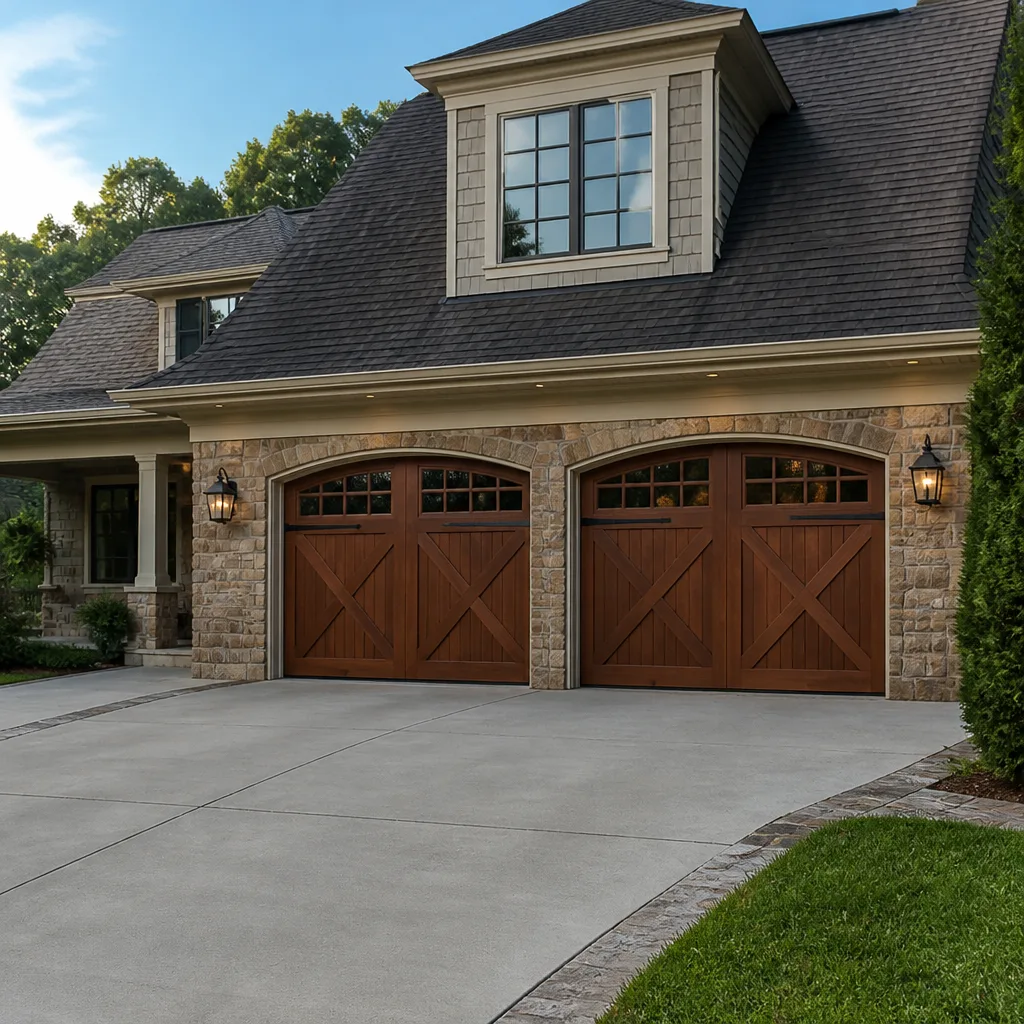 Carriage house
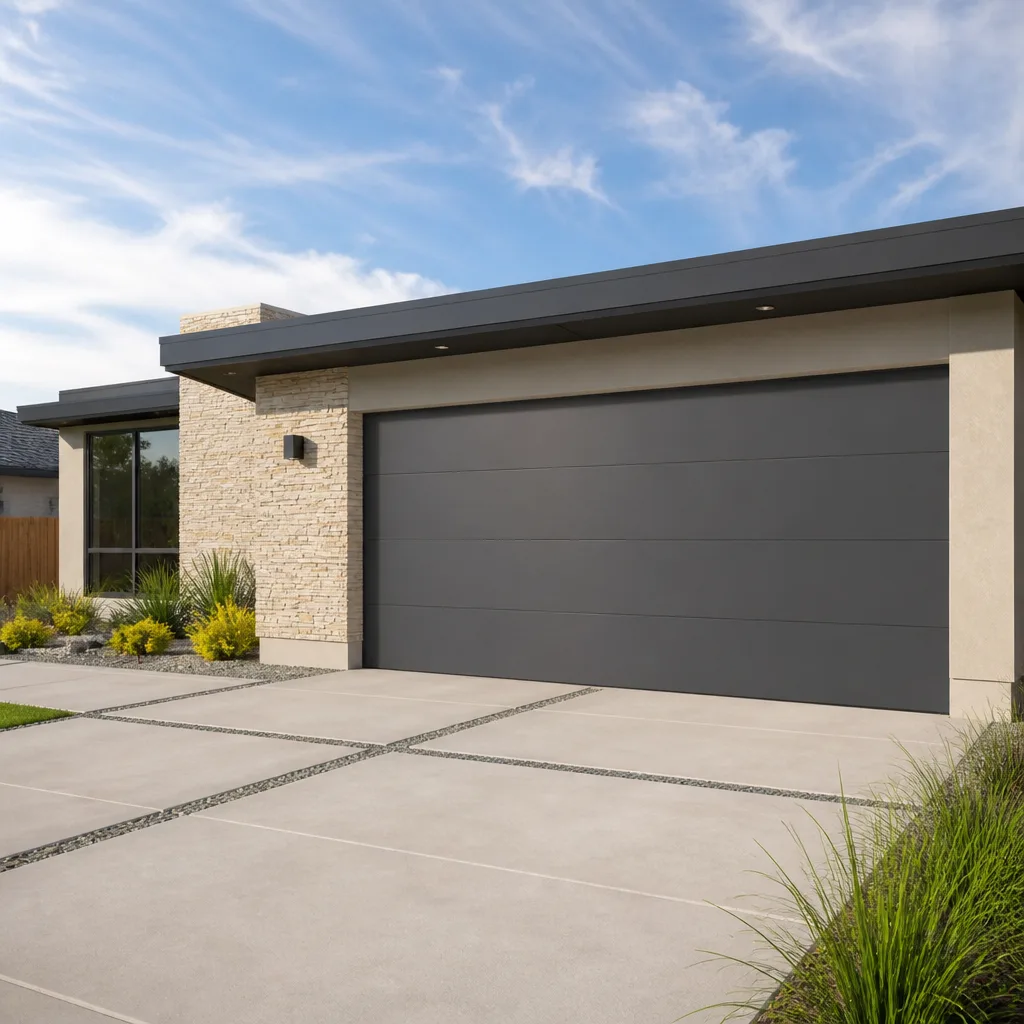 Modern flush
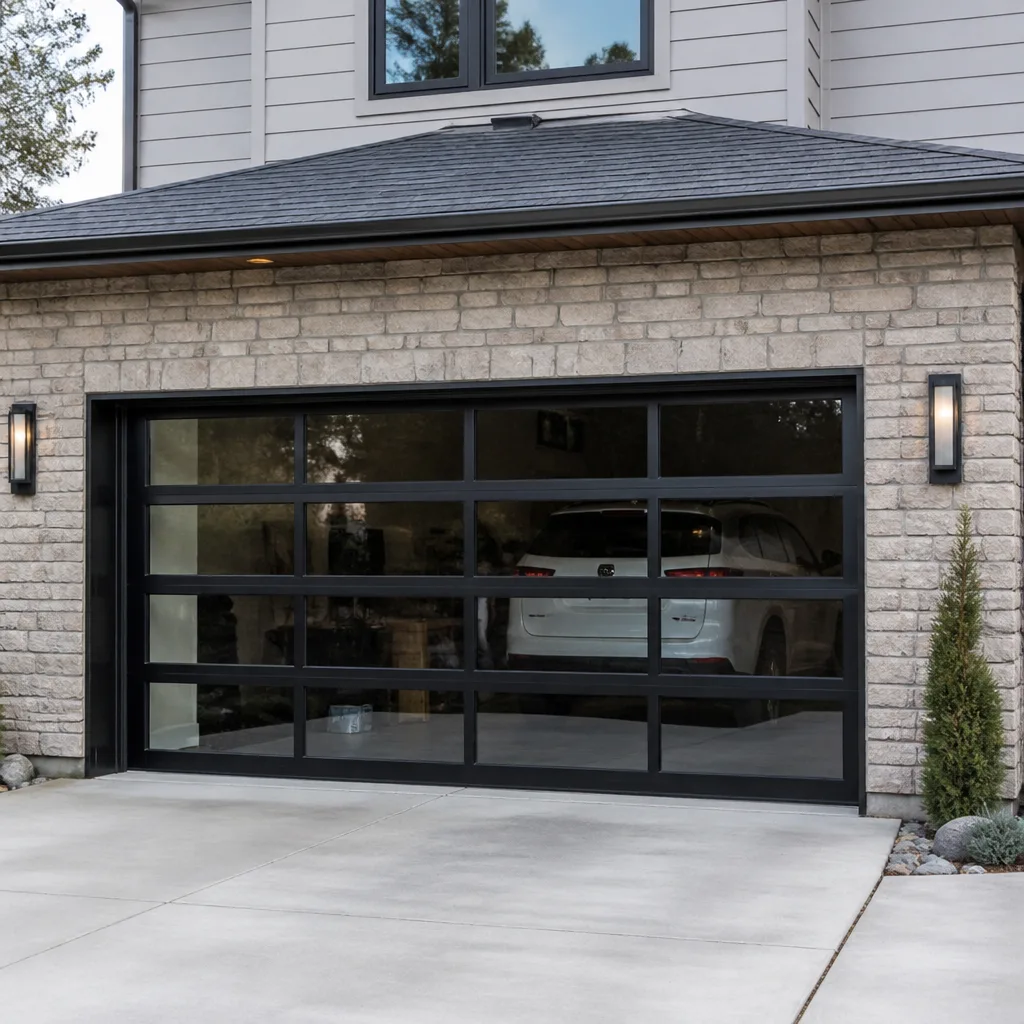 Full-view glass
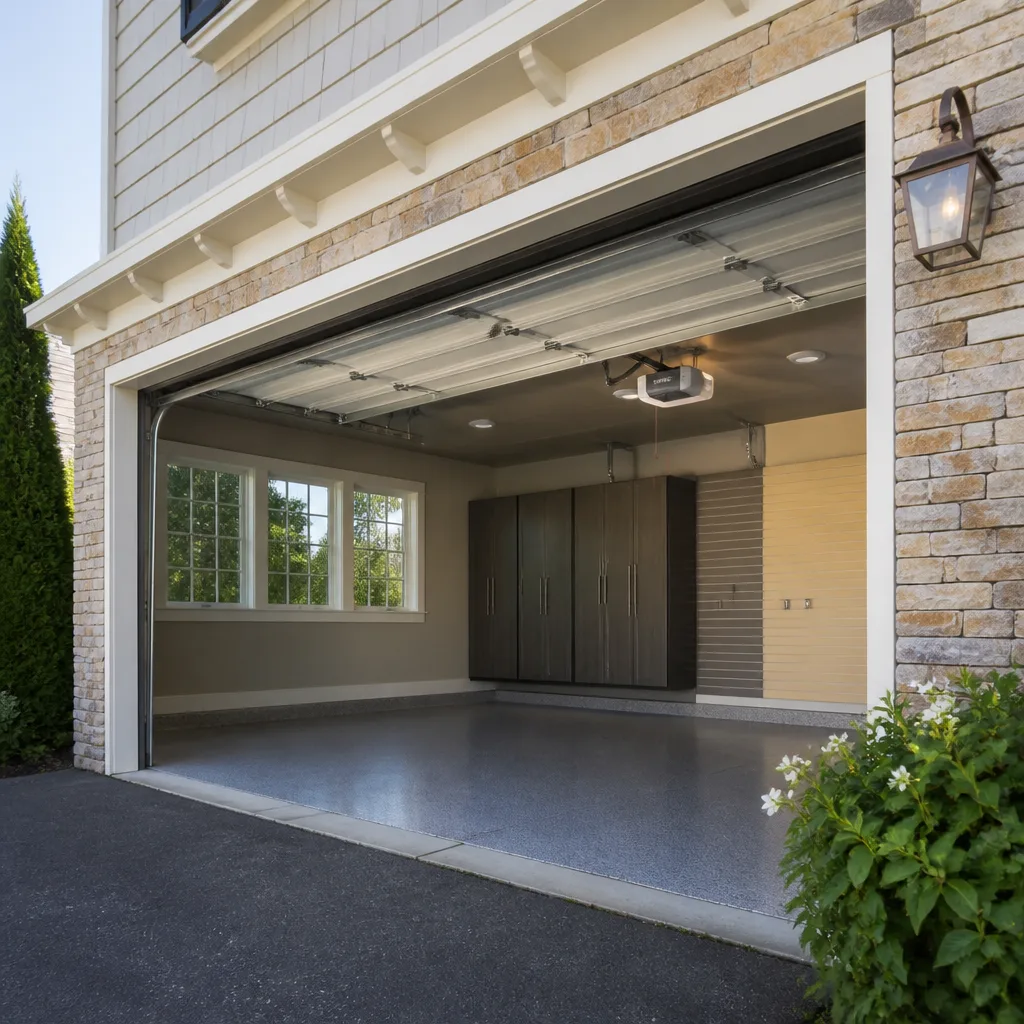 LiftMaster openers
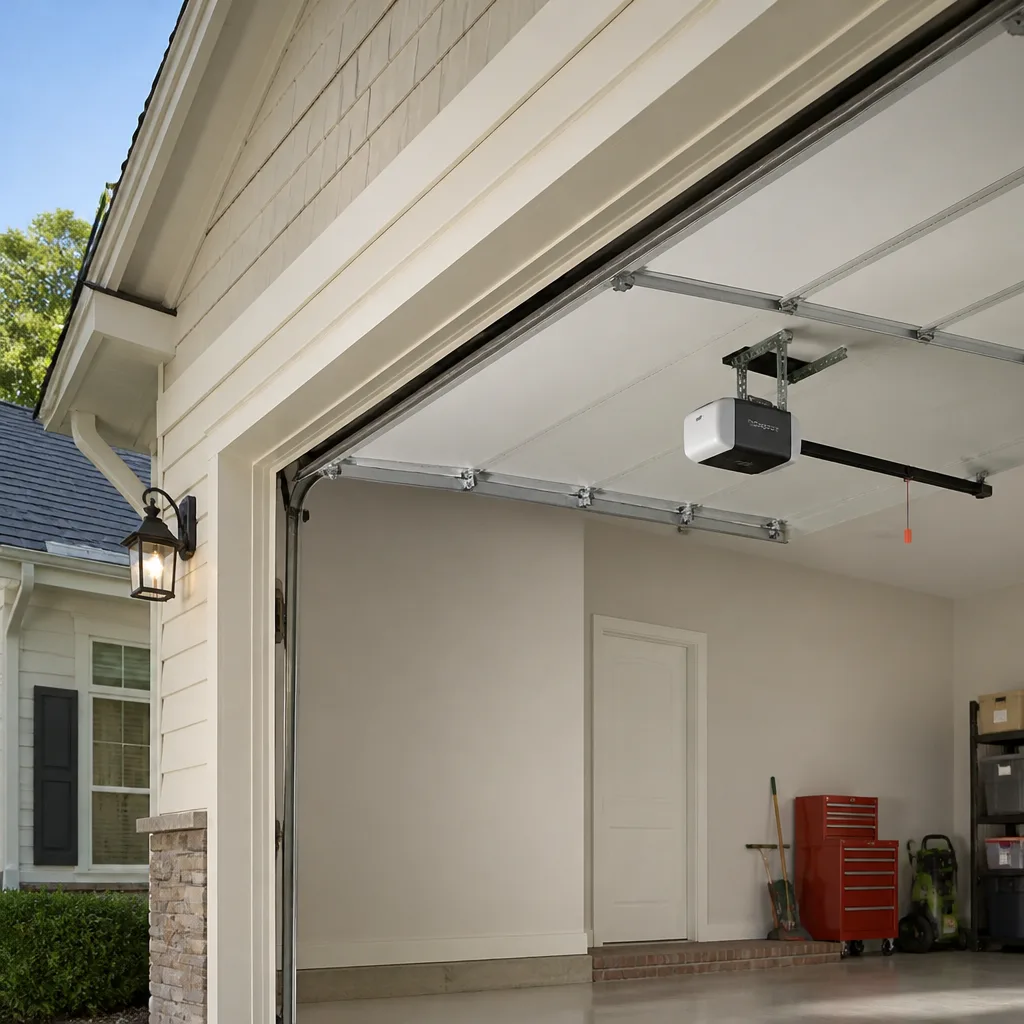 Chamberlain openers
Full 25-point door and opener safety check with every visit - springs, cables, rollers, tracks, and your LiftMaster or Chamberlain opener included
You get a price before we start. It does not change when the pro arrives.
Get your free estimateChoosing the Right Garage Door Brand: A Buyer’s Guide for Warren
Most garage door buying advice you’ll find online compares spec sheets. Steel gauge here, insulation R-value there, a handful of warranty years, and a winner declared at the end. That comparison mostly misses the thing that matters most to a homeowner in Warren. A premium door from a brand nobody nearby can service is a liability dressed up as an upgrade. When a proprietary part fails in February and the closest authorized warranty servicer is a long drive away, “ship it back to the manufacturer” isn’t an answer anyone wants to hear. This guide looks at brand selection the way it actually plays out here: which doors have real local support, which parts you can get without a month of waiting, and which aesthetics fit the housing stock around Trumbull County. You’ll learn how to read brand tiers, decode a warranty, and avoid the traps that turn a good door into a headache.
Styles & brands we work with
- Raised-panel steel
- Carriage house
- Modern flush
- Full-view glass
- LiftMaster openers
- Chamberlain openers
Quick Answer
The best garage door brand for a Warren home is the one with serviceable parts available nearby, an authorized warranty servicer you can actually reach, and a build quality that matches your daily use and insulation needs. In this market, Clopay, Amarr, Wayne Dalton, CHI, and Doorlink are generally easy to support because parts and dealers are well distributed around northeast Ohio, while any brand without a local parts path becomes a risk. Choose the door for fit and durability, then confirm the service side before you sign.
Table of Contents
- Why Local Support Matters More Than the Brand Name
- Which Brands Have Parts Available in the Warren Market?
- Brand Tiers Decoded: Steel Gauge, Insulation, and Hardware
- Warranty Comparison: What’s Covered and What Voids It
- Style and Material Fit for Warren’s Housing Stock
- The Multi-Brand Advantage
- How to Evaluate a Brand in 6 Steps
- Common Mistakes to Avoid
- When to Call a Professional
- Frequently Asked Questions
- The Bottom Line
Why Local Support Matters More Than the Brand Name
Garage doors are heavy mechanical systems, and the parts that fail are rarely the ones a manufacturer advertises. Springs, cables, rollers, hinges, and opener logic boards do the wearing, and each brand designs those parts a little differently. A door that’s easy to service in one metro can be a puzzle in another if the local dealer network is thin. That’s the lens this guide uses. Not which brochure looks best, but which brand you can live with in Warren for the next decade or two.
Northeast Ohio winters do the stress testing for you. Doors cycle more when the weather swings, and the freeze-thaw rhythm we get here works on seals, bottom weatherstripping, and the hardware that holds everything together. When something wears out mid-season, the question becomes practical fast: can a technician in Warren get the part, and how long does it take? A brand with an active dealer within reach answers that in days. A brand with no local support answers it in weeks.
What “local support” actually means:
- Parts on the shelf or a short lead time. Common wear items shouldn’t require a factory order.
- An authorized warranty servicer. Someone who can submit a warranty claim without you playing middleman.
- Technicians who know the model. Brand-specific quirks in torsion systems and opener logic are real.
- Replacement continuity. If a panel gets damaged, the profile and color should still be available.
The brand on the door matters. The service path behind it matters just as much, and homeowners who skip that check are the ones who end up frustrated. If you’re already dealing with a failing system, our Warren Garage Door Repair Pros team can tell you what you’re working with before you commit to a replacement.
Which Brands Have Parts Available in the Warren Market?
Parts availability splits the major brands into two rough groups in the Warren and Trumbull County market: those with well-established dealer and distributor reach, and those where special-order lead times are the norm. Clopay, Amarr, Wayne Dalton, CHI, and Doorlink generally fall into the first group. Their wear items and panels are commonly stocked or reachable quickly through regional suppliers, which keeps repair turnaround short. Brands sold primarily through big-box channels can be a middle case: the door is common, but proprietary components sometimes need a factory order.
Here’s how the practical picture tends to break down:
- Easy to service locally: Clopay, Amarr, Wayne Dalton, CHI, Doorlink. Standard profiles, widely distributed parts, dealers familiar with the systems.
- Common but occasionally special-order: Crawford-style and older Raynor models, where the door is everywhere but a specific panel or hardware piece may need ordering.
- Big-box brands: Craftsman and similar. The doors and openers are widespread, so most repairs are straightforward, but a proprietary logic board or a discontinued panel can mean a wait.
Lead time is the number that separates a minor repair from a two-week problem. A torsion spring that has to be ordered puts the door out of service until it arrives; a spring that’s stocked means the door is working again in the same visit. That’s why we ask which brand a homeowner has before quoting a timeline. Knowing the model up front is half the job. We’re factory-familiar with Wayne Dalton and Raynor among others, so we can tell you quickly whether a part is a shelf item or a special order.
The takeaway isn’t that any brand is bad. It’s that availability is local, and it changes over time. A brand with great reach this year may shift distribution later, so the check belongs in every purchase decision, not just the first one.
Brand Tiers Decoded: Steel Gauge, Insulation, and Hardware
Brand tiers are usually described with vague words like “builder grade” and “premium.” The differences are more concrete than that, and they show up in three places: the steel, the insulation, and the hardware. Understanding these gives you a real basis for comparing a $900 door to a $2,500 door beyond the label.
Steel gauge. Thickness is measured in gauges, and a lower number means thicker steel. Entry-level doors typically use 27- to 28-gauge steel panels. Mid-range doors move to 25- or 24-gauge. Premium doors use 24-gauge or heavier, sometimes with a double-sided steel skin and deeper panel embossing that resists denting. On a door facing the street and taking the daily weather, that thickness is what holds up over years of use.
Insulation. This is where the tier gap is widest. Uninsulated doors offer essentially no thermal resistance and are noisy. Insulated doors are rated by R-value: entry-level insulated models often land around R-6 to R-7, mid-range around R-9 to R-12, and premium doors can reach R-16 to R-18 with polyurethane foam and full thermal breaks. In a Warren climate with real winter cold, an insulated door on an attached garage makes the space usable and cuts the draft that leaks into the house.
Hardware. Cheaper doors use lighter hinges, thin rollers, and a torsion system sized to the minimum. Better doors use heavier-gauge hinges, sealed-bearing nylon rollers, and springs rated for more cycles. That cycle rating is the real durability number: a standard spring might be rated for around 10,000 cycles, while a high-cycle spring can be rated for 20,000 or more. On a door that opens several times a day, that difference is years of service before the first spring replacement.
A simple way to think about tiers:
- Builder grade: 27- to 28-gauge steel, no or minimal insulation, light hardware, standard-cycle springs. Fine on a detached garage or a door you rarely use.
- Mid-range: 24- to 25-gauge steel, insulated to roughly R-9 to R-12, better hardware, still a good value for most attached garages.
- Premium: 24-gauge or heavier, polyurethane insulation to R-16 or beyond, sealed bearings, high-cycle springs, and often a longer finish warranty.
The right tier depends on how the door gets used, not on the price tag alone. A daily-use attached garage in Warren justifies mid-range at minimum, and a premium door pays back in quiet operation and fewer repairs.
Warranty Comparison: What’s Covered and What Voids It
Warranties are where brand differences get genuinely confusing, because “limited lifetime” means different things on different lines. Most major brands split coverage into sections: the finish or paint, the steel panels against defects, the hardware, and the springs. Finish warranties range from a few years on entry-level doors to lifetime on premium lines. Panel warranties cover manufacturing defects but almost never damage. Spring warranties are usually separate and shorter. Opener warranties vary by brand and model, sometimes covering only the motor and logic board.
What voids coverage is the part homeowners miss:
- Improper installation. A door installed outside the manufacturer’s spec can void the warranty on the spot.
- Unauthorized repairs or modifications. Cutting the track, re-drilling hardware holes, or altering the torsion system.
- Using non-approved replacement parts. A spring that doesn’t meet the door’s rating, or a generic opener part.
- Neglected maintenance. Missing lubrication and worn rollers accelerate failure, and a manufacturer can point to it.
- Environmental damage and misuse. Impact damage, corrosion from standing water, and forcing a jammed door.
The other half of the question is who actually services the claim. Being an authorized warranty servicer means the technician can file the claim and install the covered part without you shipping anything anywhere. Not every dealer who sells a door is set up for that. Before you sign, ask two questions: is the company you’re buying from an authorized servicer, and if not, who is the nearest one? A brand with strong warranty support but no local servicer is a paper promise.
Keep your purchase paperwork, the model and serial numbers, and a record of maintenance. When a claim comes up years later, having the door’s identity on hand makes the whole process faster.
Style and Material Fit for Warren’s Housing Stock
The door has to look right on the house, and Warren’s housing stock makes that a local question. Trumbull County homes run heavily to ranches, colonials, and split-levels, and each reads best with a different door style. The goal is a door that looks like it belongs, not one that stands out for the wrong reason.
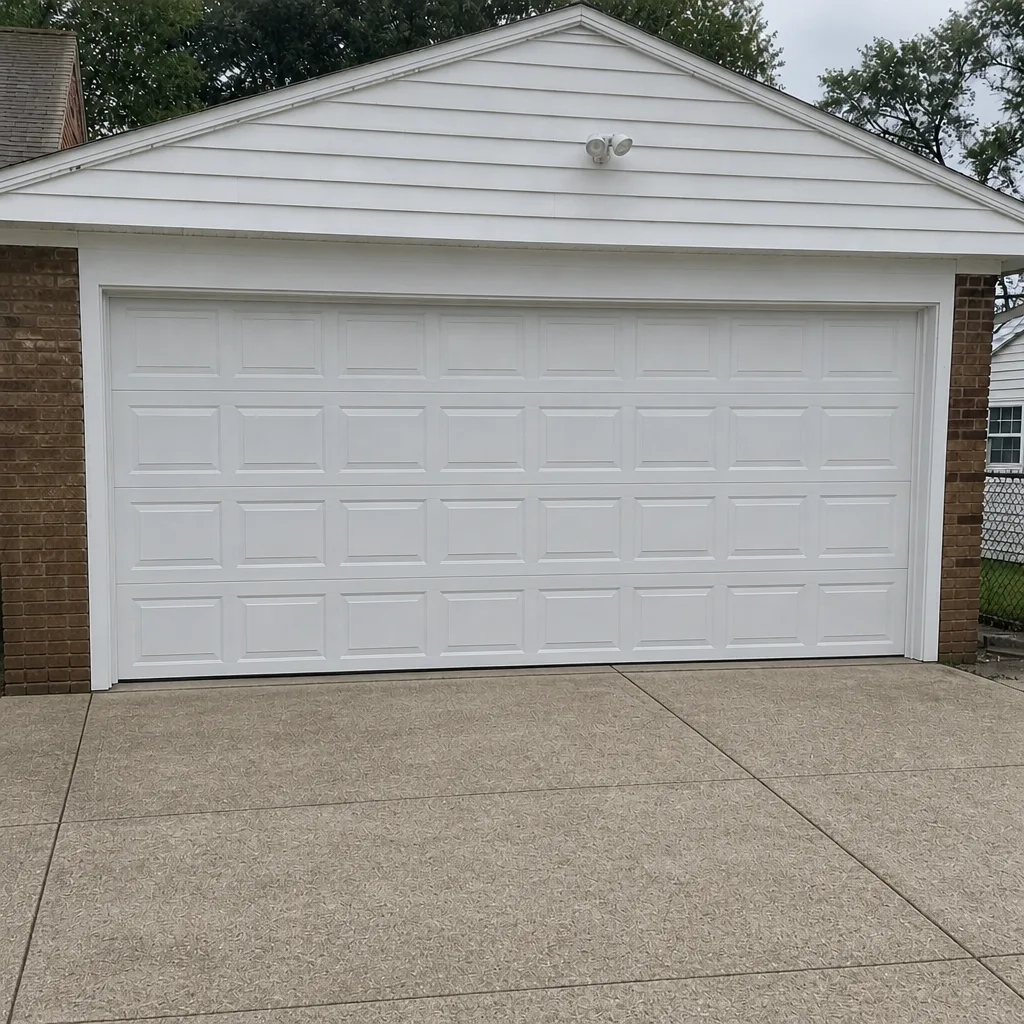
Ranch homes. Low, wide rooflines suit a door with horizontal emphasis. Traditional raised-panel and short-panel steel doors in a neutral color fit naturally, and carriage-house styles work where the architecture has some decorative detail. Avoid oversized window rows that fight the low profile of the house.
Colonial homes. These take more formality. A raised-panel door with symmetry, sometimes with windows across the top, matches the colonial look. White and cream finishes are common and forgiving, and the proportion matters more than the ornamentation.
Split-levels. The most flexible of the three. A clean, contemporary-flush door in a darker color suits the mixed lines of a split-level, and so does a standard raised-panel door. This is where material choice has the biggest visual impact.
Material options:
- Steel: the default for cost and durability, paintable, holds up well in northeast Ohio weather.
- Aluminum and glass: contemporary look, low maintenance, best on modern homes.
- Wood and wood-look: warm and traditional, with more upkeep in wet conditions.
Color and hardware are the finishing touches: strap hinges, handle sets, and window inserts change the character of a door without changing its structure. The best way to settle on a look is to see how the style reads on homes near you. If you’re replacing a door and want guidance on matching the door to the house, our garage door repair team sees these homes every day.
The Multi-Brand Advantage
A single-brand dealer has one answer to every question: that brand. Sometimes it’s the right door. Often it isn’t, and you won’t hear the alternative because the dealer can’t offer it. Working with a contractor who services several brands flips that dynamic. The recommendation starts from your house, your usage, and your budget, and ends at the brand that fits instead of the brand on the sign.
A multi-brand contractor also solves the service problem a single brand creates. If your door is a Wayne Dalton and the dealer only sells something else, you’re pushed toward a repair they can markup or a replacement you don’t need. A contractor who works across brands can repair what you have and replace the panel when a panel is all you need. That matters in a market like Warren, where the doors on the street are from a half-dozen manufacturers and no single brand covers them all.
What a multi-brand contractor brings to the table:
- Honest fit. They can recommend the door that suits your home instead of the one they stock.
- Repair-first options. New panel, new spring, or new hardware, rather than a full replacement pitch.
- Brand-specific knowledge. Opener expertise that spans LiftMaster, Chamberlain, Genie, and Craftsman, and the smart-enabled systems built on top of them.
- Parts reach. Access to the brands with local parts routes, which shortens repair time.
- Continuity. The same company handles the door now and later, when it needs service again.
At Warren Garage Door Repair Pros, we’re not tied to a single brand, so the advice can follow the door rather than the sticker price. That’s a genuine difference from a single-brand dealer, and it’s worth asking about before you buy. If your opener is the weak link rather than the door, our garage door opener repair service handles both legacy and smart systems.
How to Evaluate a Brand in 6 Steps
Here’s the process we’d use if we were buying a door in Warren today. It moves from what the door is to who stands behind it, and it flushes out the traps before money changes hands.
- Match the door to your use. Decide whether it’s a daily-use attached garage or a rarely used detached one. That sets your steel gauge and insulation target before you look at brands. A door for the main garage should be mid-range or better; a detached garage may not need premium insulation.
- Shortlist brands with local parts support. Ask the dealer which brands they stock parts for and how quickly common wear items come in. Brands with well-distributed distribution in the Warren area are the safer starting point. If a brand is obscure locally, that’s a point against it, however good the brochure.
- Confirm the warranty servicer. Ask directly who handles warranty claims and whether the dealer is authorized to do so. If the answer is “you’ll ship it,” keep looking.
- Read the warranty sections separately. Don’t stop at “limited lifetime.” Look at the finish term, the panel term, the hardware term, and the spring term on their own. Compare those numbers across brands rather than the headline.
- Check the hardware and spring rating. Ask what cycle rating the springs carry. That number predicts how many years you get before the first spring repair, and it’s an easy question most buyers forget.
- Get it in writing and scheduled. A real measure, a written estimate, and a confirmed installation date. Installation is measured and scheduled, not same-day work, so a dealer who promises a door installed today isn’t being straight with you.
Do this in order and most of the bad decisions eliminate themselves. The brand choice becomes the last step, informed by everything above it.
Common Mistakes to Avoid
- Buying on spec sheet alone. A door that wins the comparison chart still needs parts and a servicer you can reach. Check the local service path before the spec sheet.
- Ignoring the warranty servicer. “Limited lifetime” means nothing if the nearest authorized servicer is a long drive. Ask who services the claim locally.
- Skipping insulation on an attached garage. Warren winters are long enough that an uninsulated door leaves the room cold and noisy. The R-value difference between entry-level and mid-range pays off every season.
- Assuming the cheapest springs are fine. Standard-cycle springs wear out years sooner than high-cycle ones. On a door used several times a day, the upgrade pays for itself before the first replacement.
- Letting a single-brand dealer pick for you. A dealer who sells one brand has one recommendation. A multi-brand contractor can compare options instead of steering you to the sign on the truck.
- Overlooking the opener. The door and the opener have to be compatible, and wi-fi control is worth planning for. A door upgrade that leaves a tired opener in place just moves the problem.
- Thinking style doesn’t matter on a ranch or colonial. A door profile that clashes with the house is visible every time you pull into the driveway. Match the style to the architecture before you commit to a brand.
When to Call a Professional
Some of this guide is research you can do yourself: reading warranties, comparing R-values, narrowing the looks that fit your house. The line where you should stop and call is anything that touches the moving parts of the system. Torsion springs, cables, and the door’s balance are the parts of the garage door trade that require training and the right tools, and a failed spring or a door that’s off its track needs a professional. The same goes for anything electrical in the opener or a door that won’t reverse when it meets an object. On the selection side, if you’re stuck between two brands and want a straight answer on which will be easier to service locally, or you want a written estimate on a repair rather than a replacement, that’s what we do. Warren Garage Door Repair Pros offers free estimates in Warren, and we’re familiar with the brands you’re likely comparing. Our technicians have up to 11 years of experience working in the garage door trade specifically, and we answer 24/7. Call (866) 928-4063.
Frequently Asked Questions
The best brand for a Warren home is one with well-distributed parts and an authorized warranty servicer nearby, and Clopay, Amarr, Wayne Dalton, CHI, and Doorlink generally fit that bill in this market. Beyond local support, choose by steel gauge, insulation R-value, and hardware quality to match how often the door is used. A brand with strong local support beats a higher-spec brand with no service path. Call (866) 928-4063 for a free estimate on your specific door.
An insulated door is worth it on an attached garage in northeast Ohio because it cuts the winter draft into the house and makes the space usable year-round. Uninsulated doors sit near zero thermal resistance, entry-level insulated models land around R-6 to R-7, and mid-range to premium doors range from roughly R-9 to R-18. On a detached or rarely used garage, the money may be better spent elsewhere. Call (866) 928-4063 if you want a recommendation for your house.
Improper installation, unauthorized repairs, non-approved parts, and neglected maintenance are the most common things that void a garage door warranty. Most major brands also exclude impact damage and misuse. The key protection is having the door installed and serviced by a qualified technician using approved parts. If you’re unsure whether current work affects your coverage, call (866) 928-4063 for a free assessment.
A new garage door in Warren typically runs from about $800 to $1,500 for an entry-level single door, with mid-range and insulated doors from roughly $1,500 to $2,800. Premium insulated doors and double-car doors run higher. The price depends on size, steel gauge, insulation, and hardware, and a written estimate sets the final figure. Call (866) 928-4063 for a free measure and an exact quote.
Parts for brands with strong local distribution are often available within days, while proprietary or special-order pieces can take longer. Common wear items like springs, rollers, and hinges for Clopay, Amarr, Wayne Dalton, and similar brands usually move quickly. Obscure or discontinued components are the slow case. Give us the make and model and we can tell you faster: call (866) 928-4063.
Repair is usually the right call when the door is structurally sound and the problem is a spring, opener, or hardware. A door with cracked or badly damaged panels, or a system past its expected life, is often better replaced. The decision comes down to the cost of the repair against the door’s remaining life, and insulation needs. For a free estimate on either path, call (866) 928-4063.
The Bottom Line
The right garage door brand is the one you can live with in Warren, not just the one with the best brochure. Prioritize local parts availability and an authorized warranty servicer you can reach, then choose the door by steel gauge, insulation R-value, and hardware quality to match how you use the garage. Match the style to your ranch, colonial, or split-level, and let a multi-brand contractor give you an honest comparison instead of the one answer a single-brand dealer will offer. Get it measured, in writing, and scheduled. Call (866) 928-4063. We answer 24/7. Fast dispatch from 7am to 7pm, Sunday through Friday.
Written by the team at Warren Garage Door Repair Pros.
See the difference
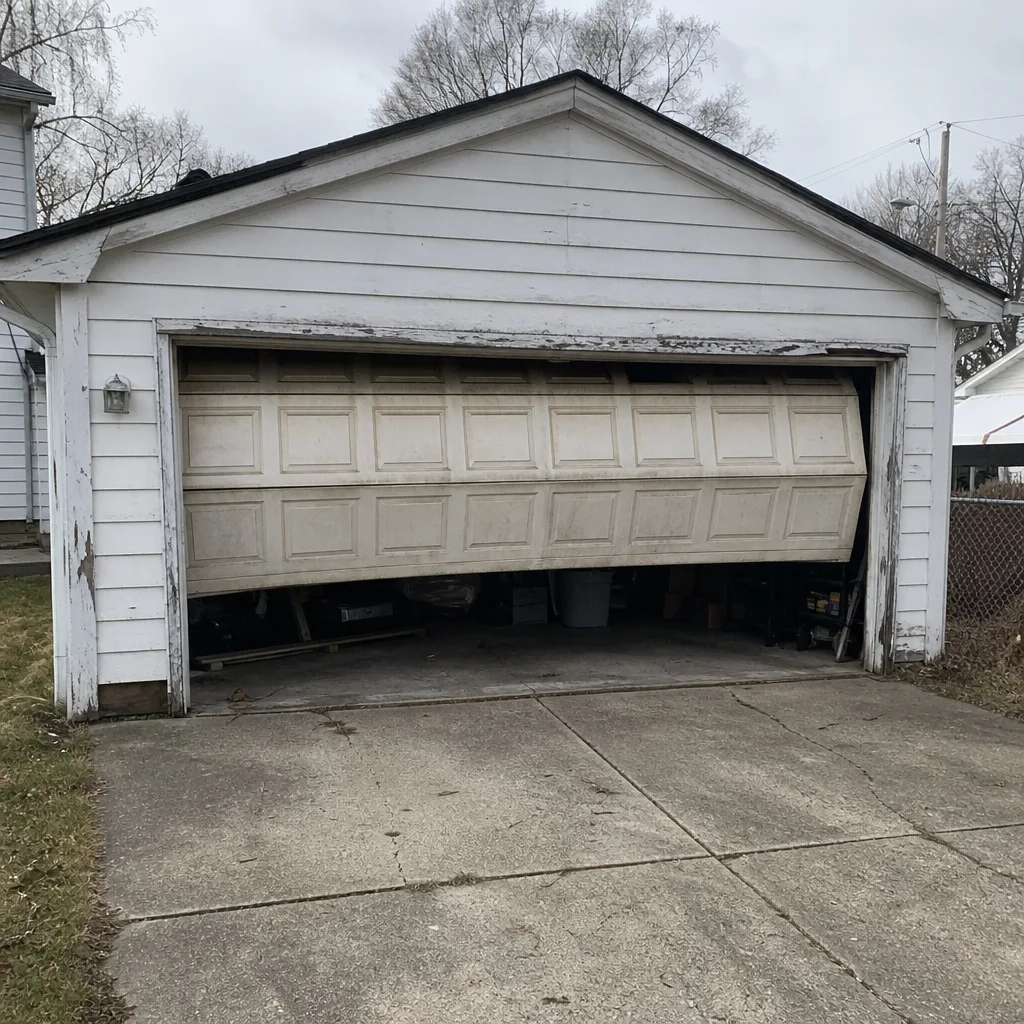 Before
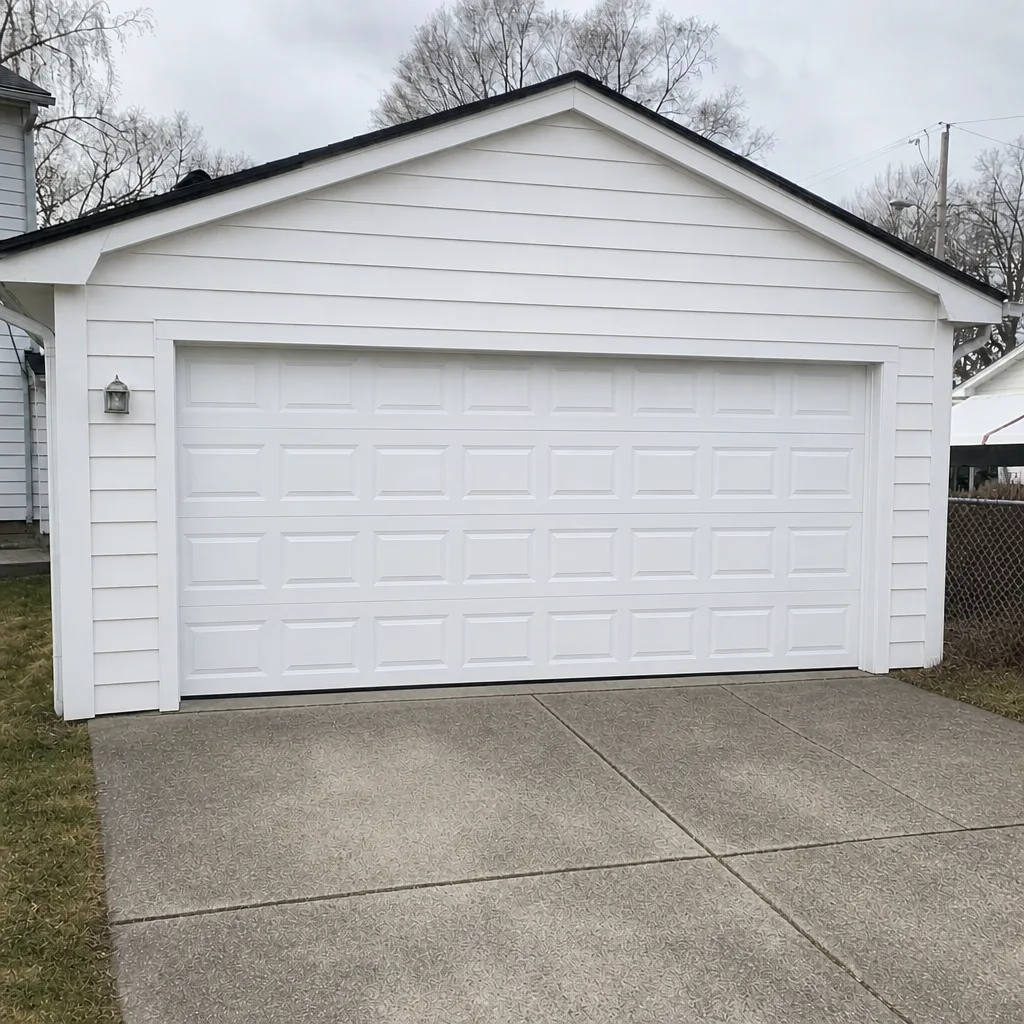 After
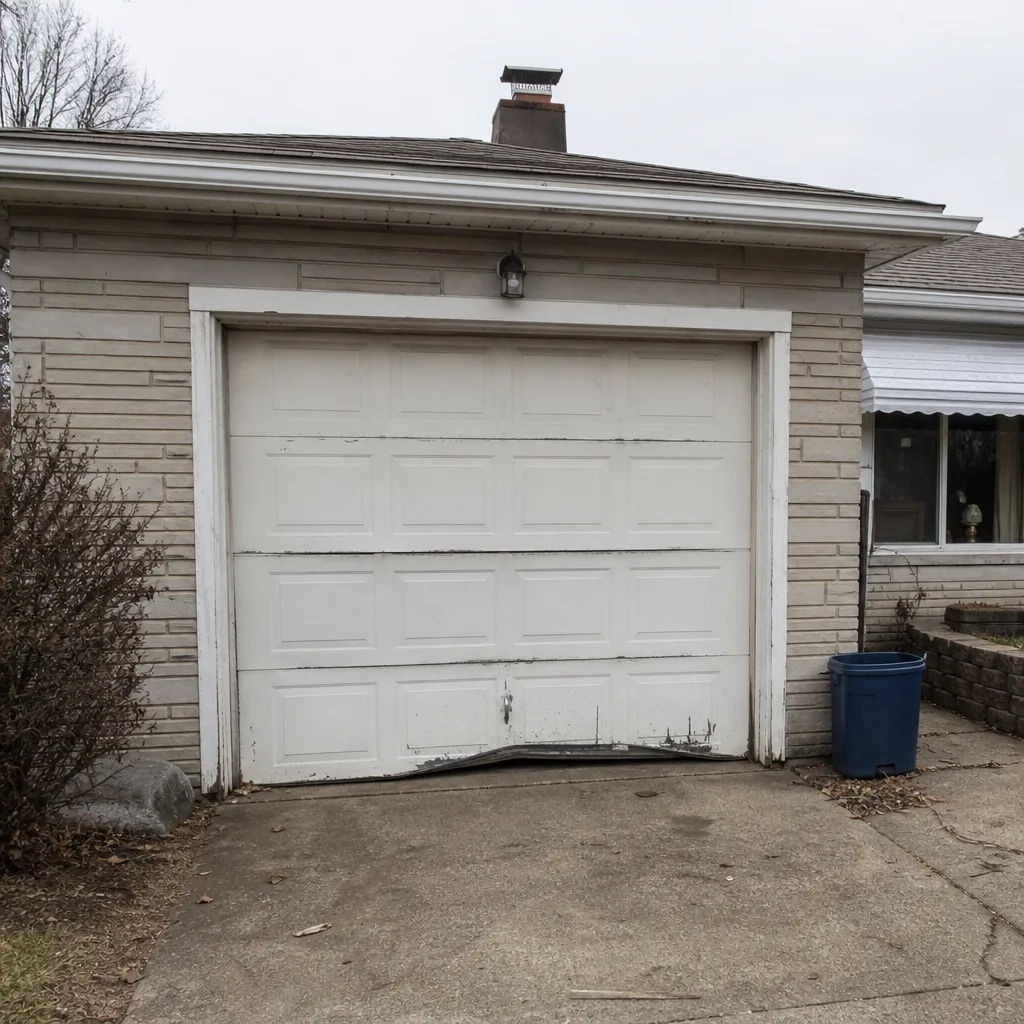 Before
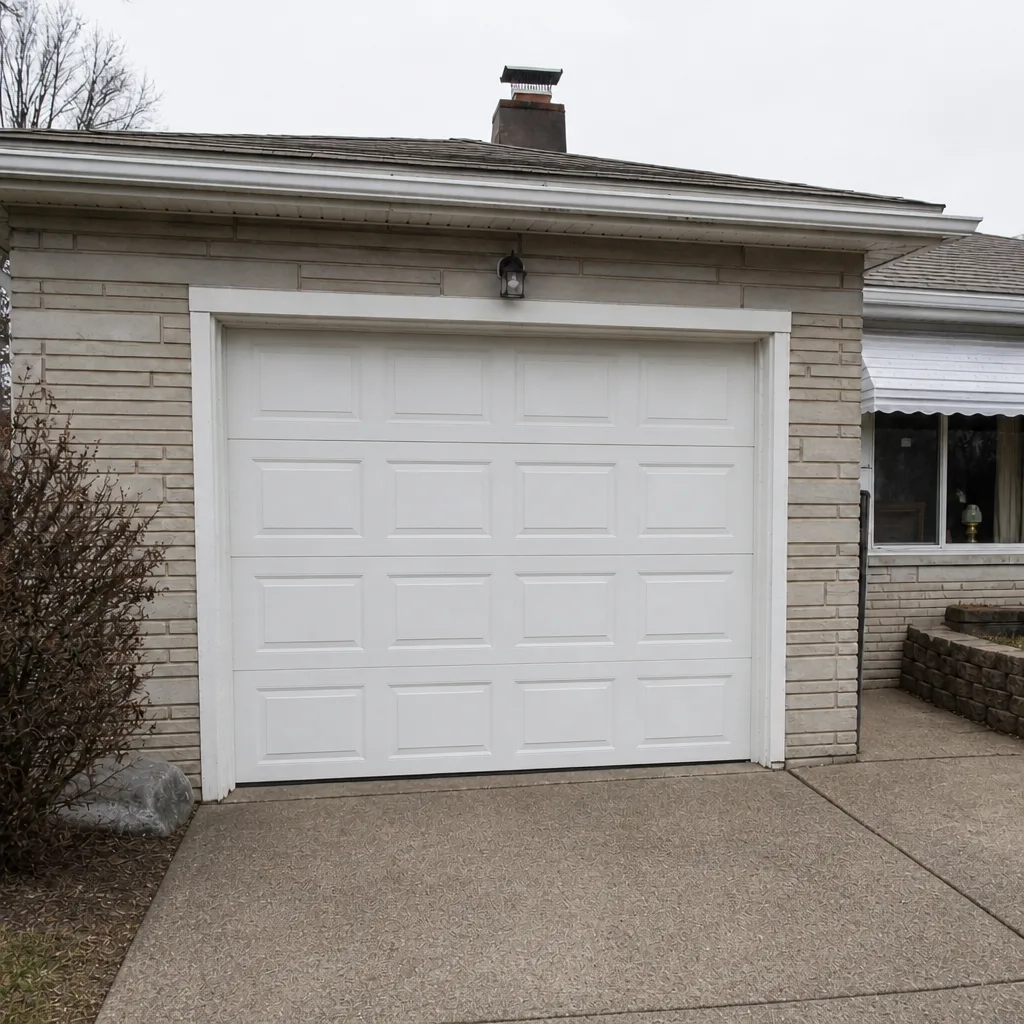 After
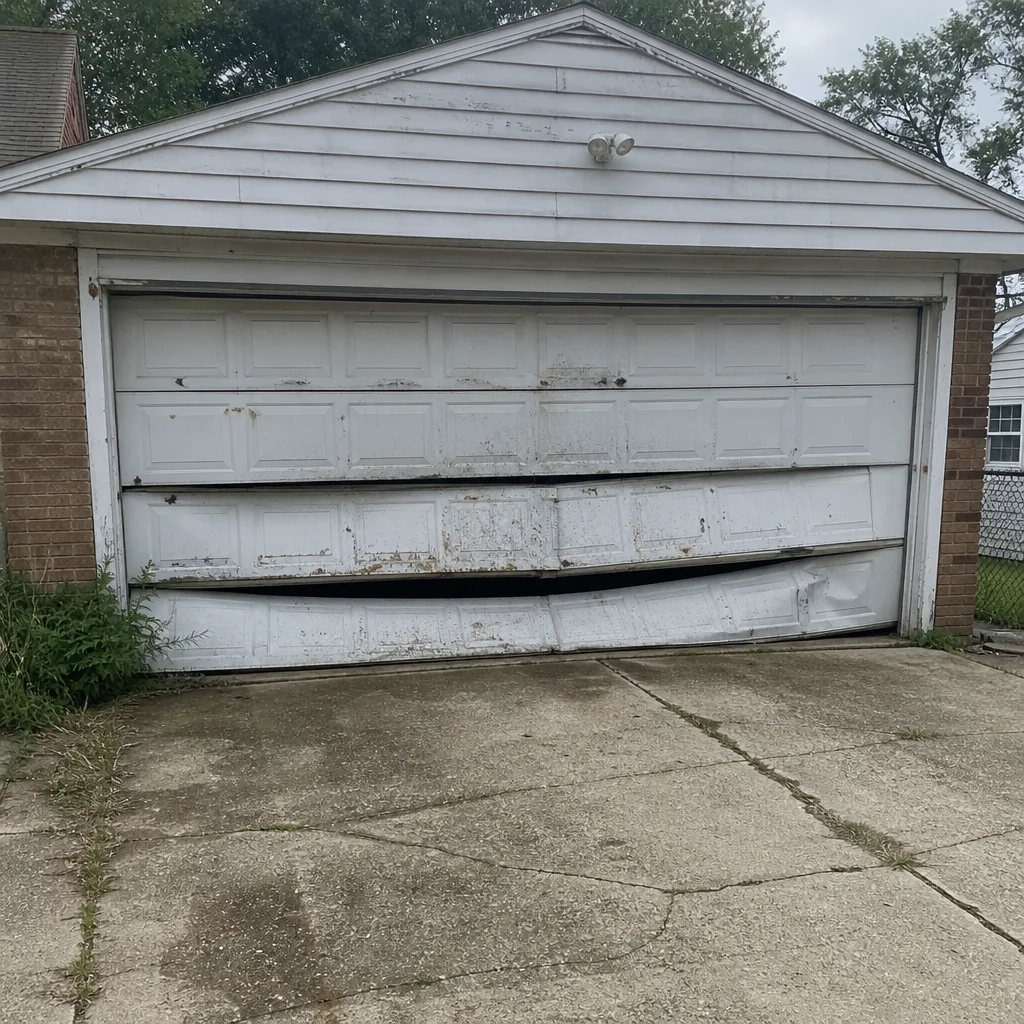 Before
 After