
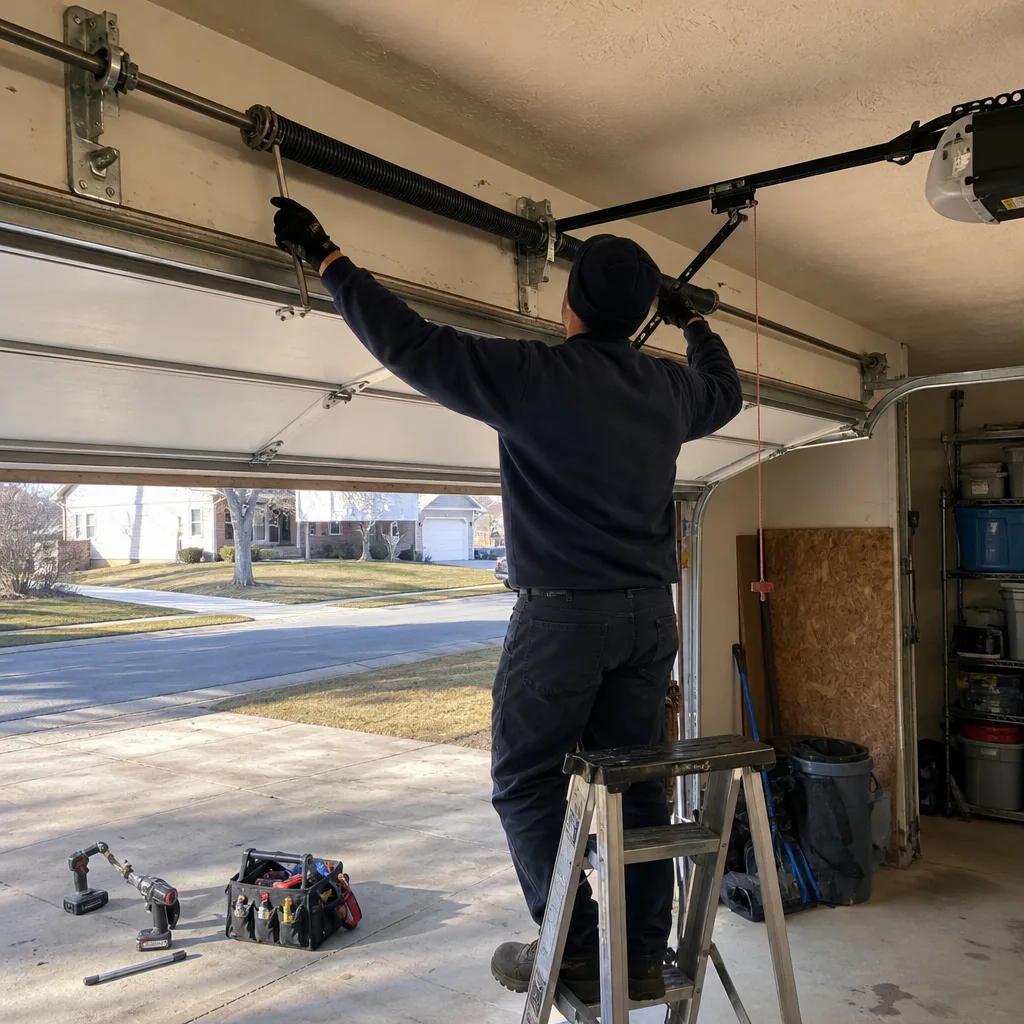
Last updated November 22, 2026
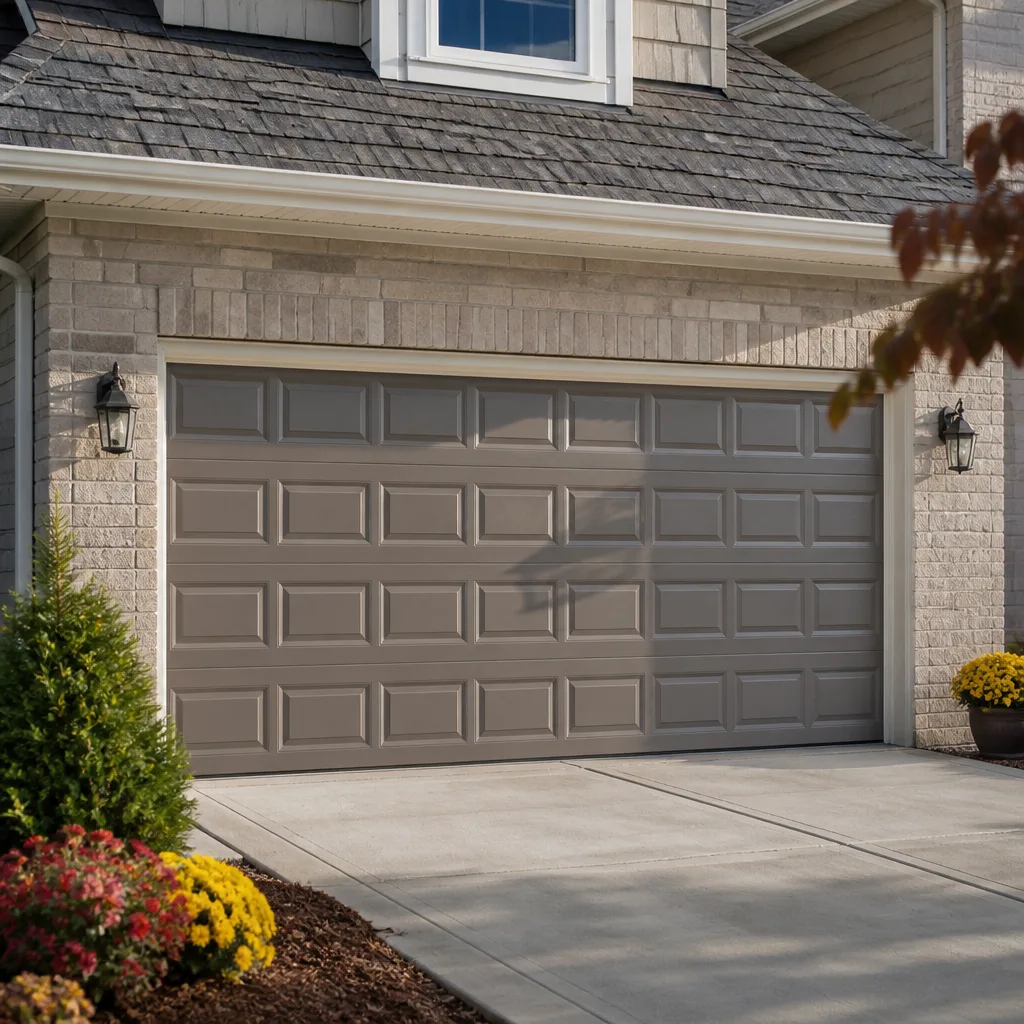 Raised-panel steel
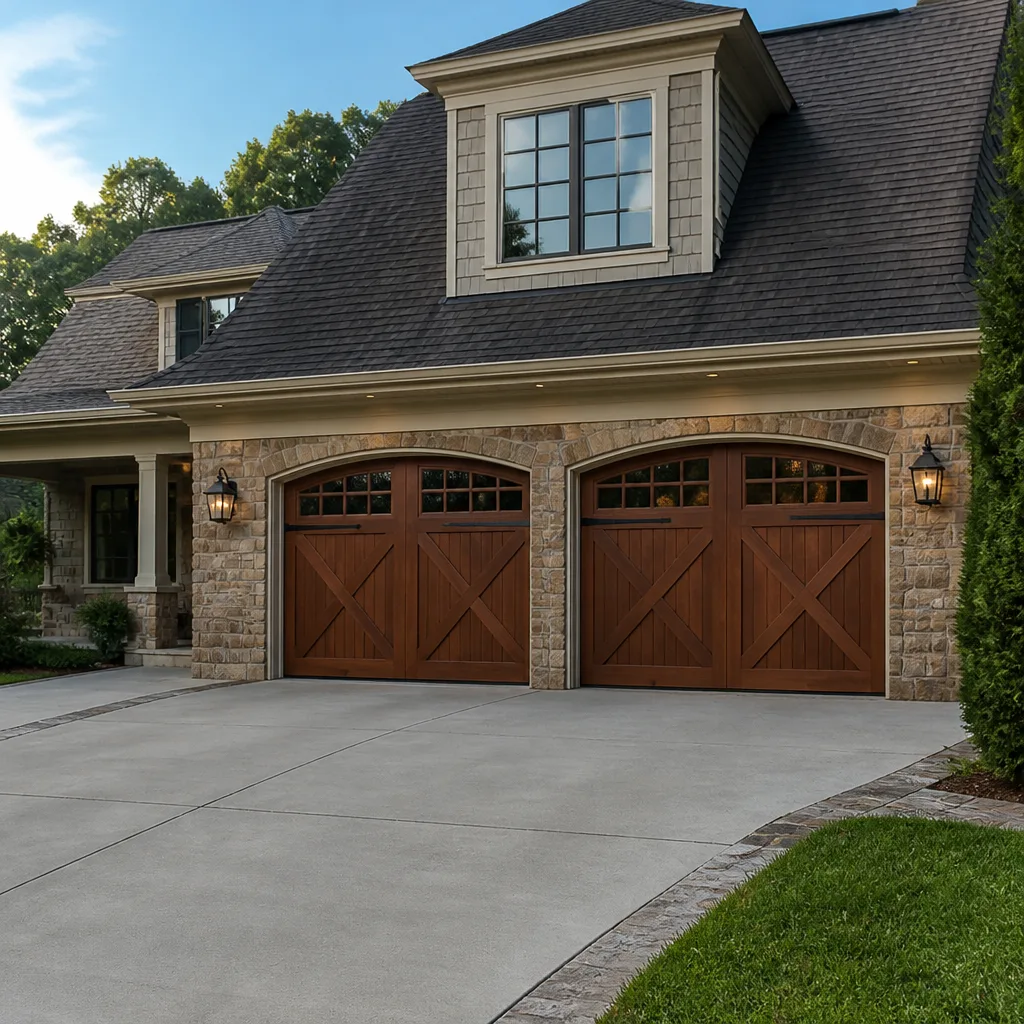 Carriage house
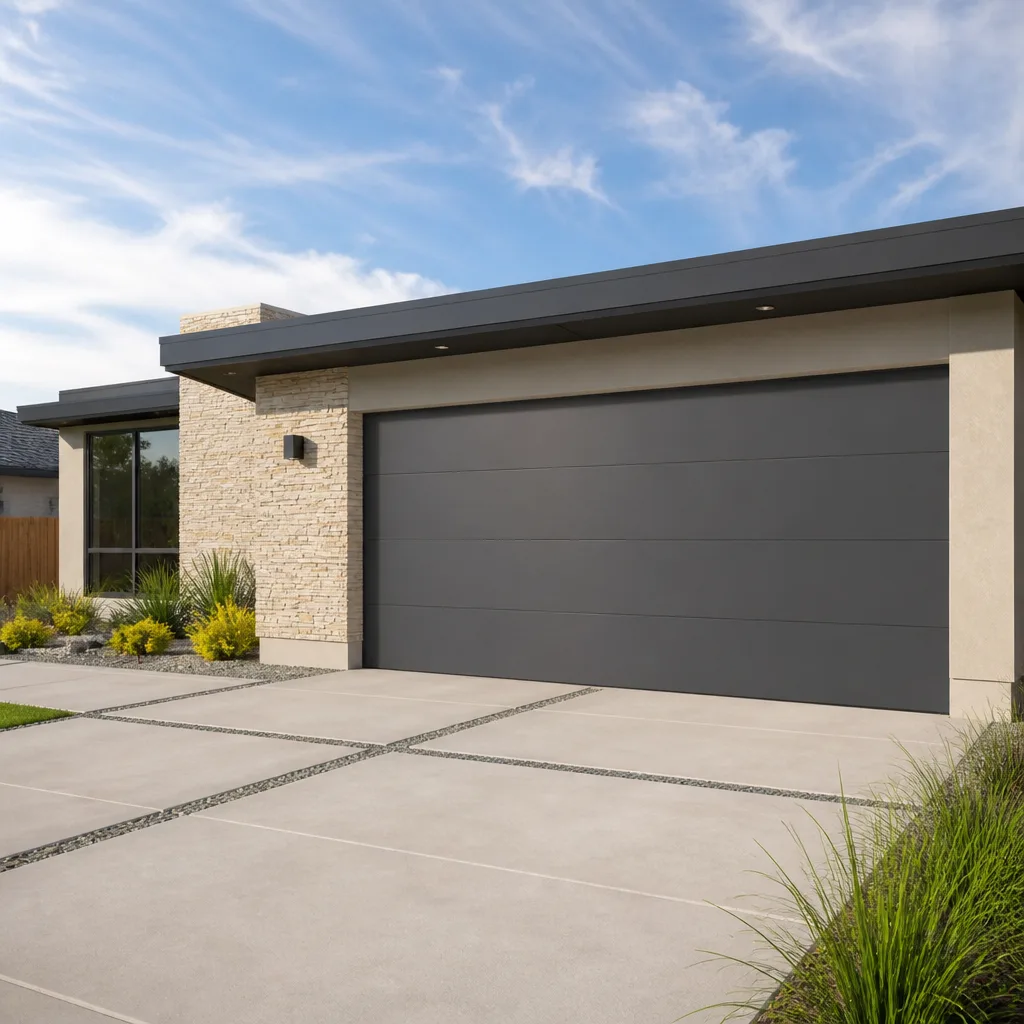 Modern flush
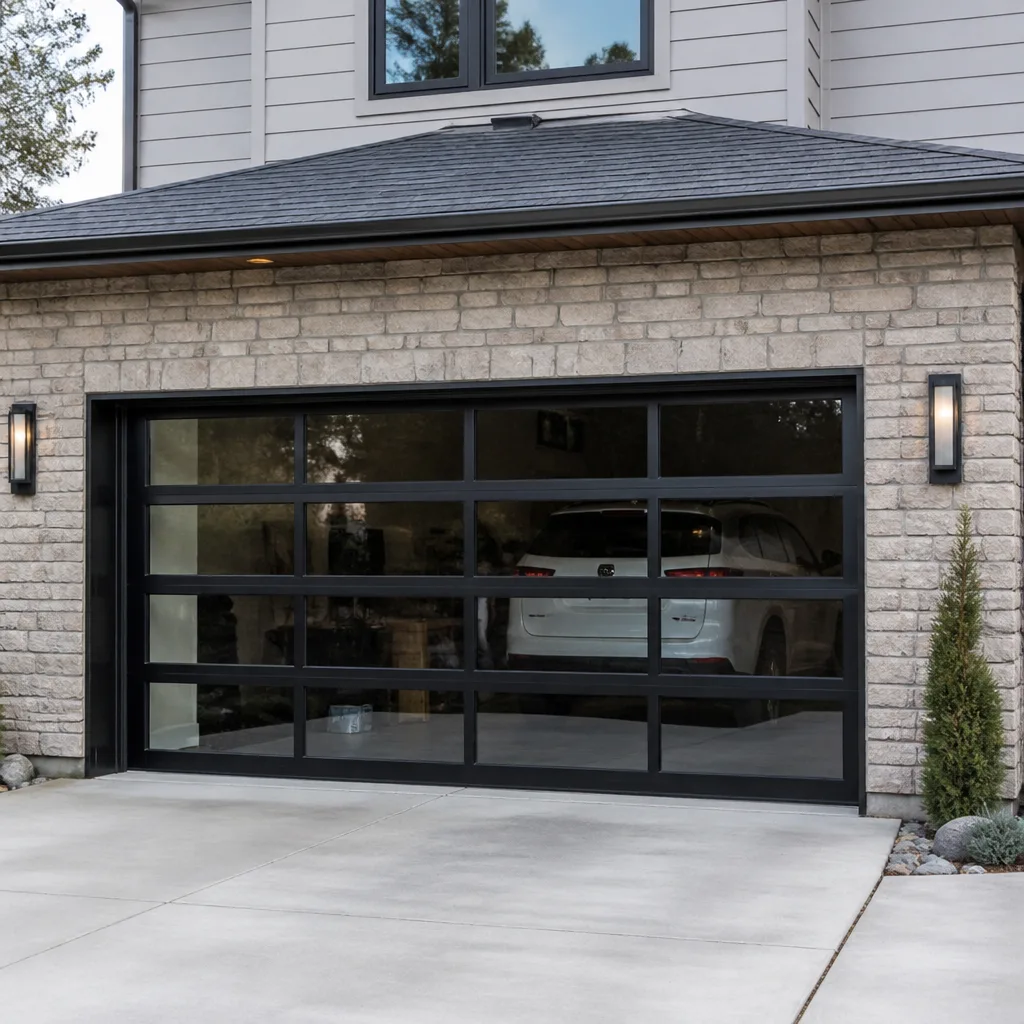 Full-view glass
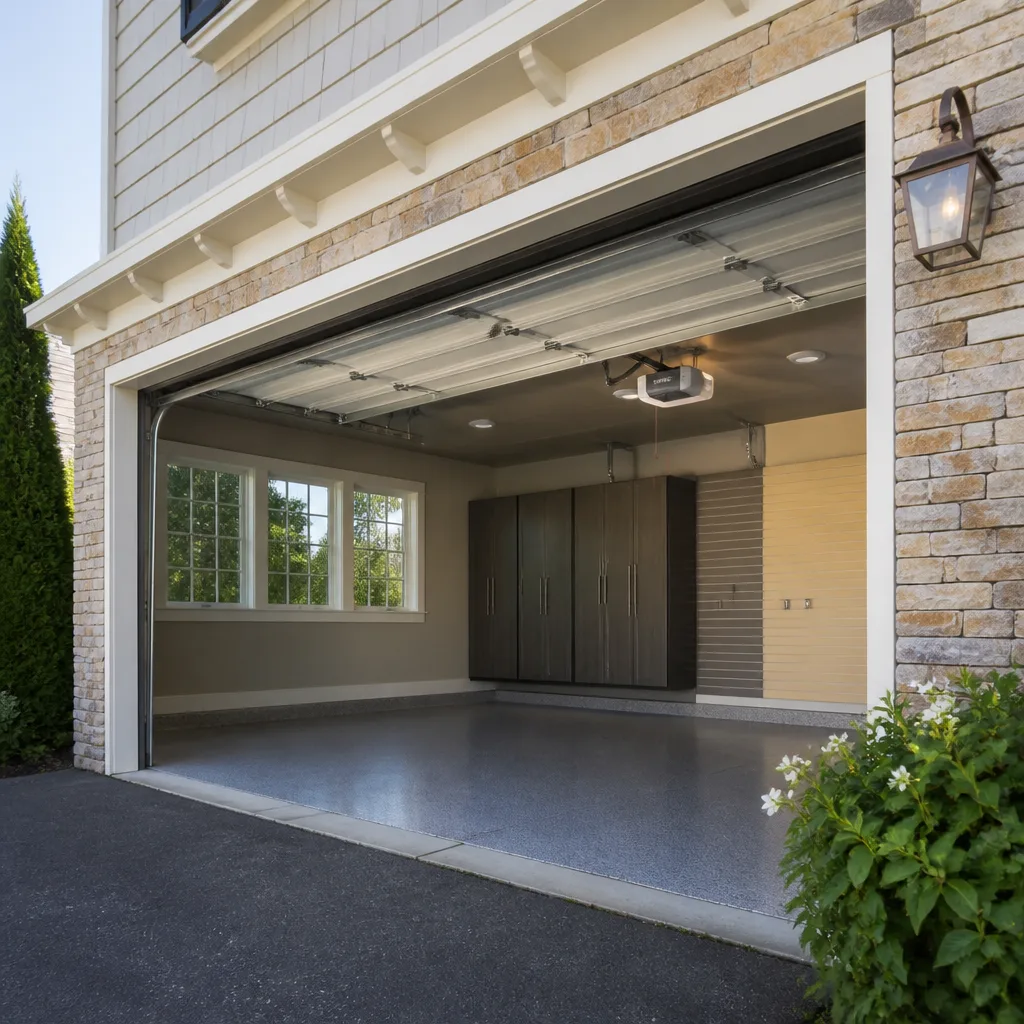 LiftMaster openers
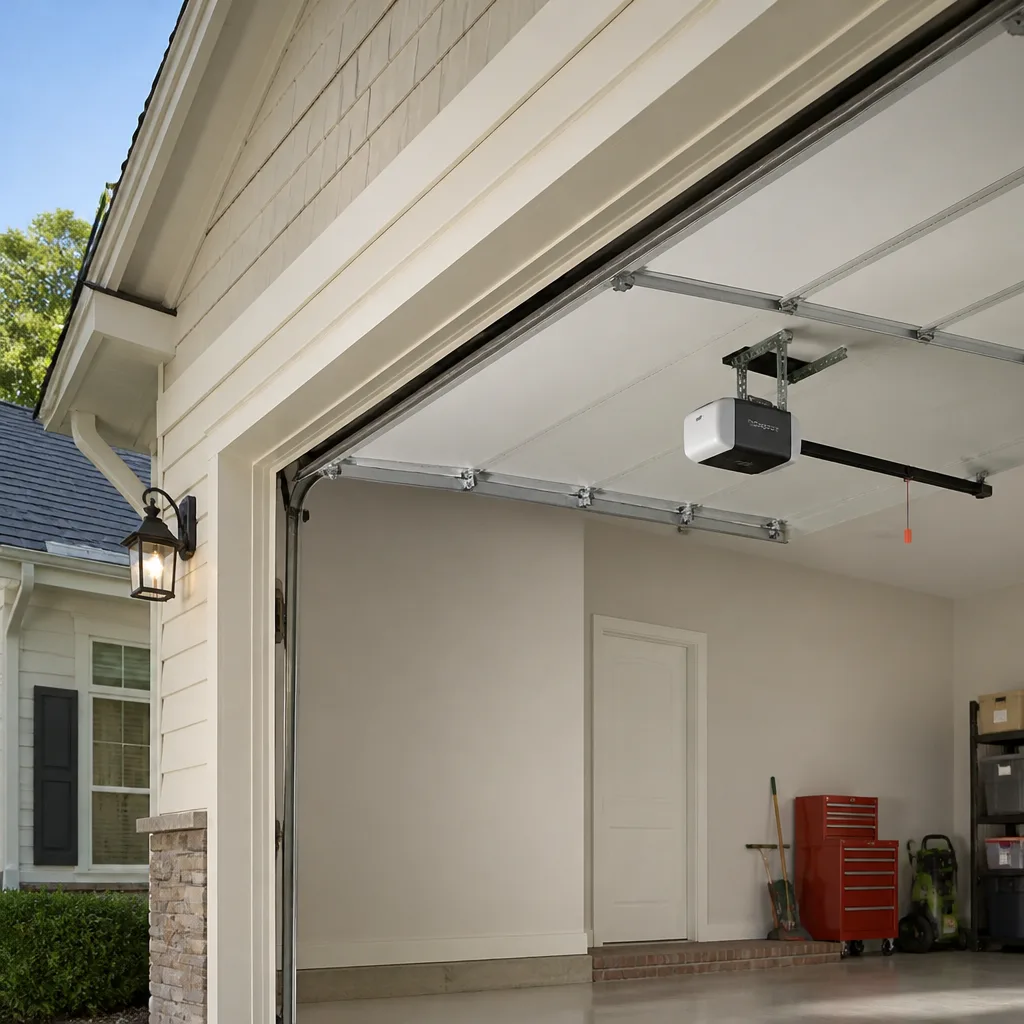 Chamberlain openers
Full 25-point door and opener safety check with every visit - springs, cables, rollers, tracks, and your LiftMaster or Chamberlain opener included
You get a price before we start. It does not change when the pro arrives.
Get your free estimateGarage Door Warning Signs: A Warren Homeowner’s Reference Guide
Most garage doors don’t fail out of nowhere. They give you warnings for weeks, sometimes months, before something breaks. The problem is that homeowners hear “that noise my door makes” and lump every symptom together, then either ignore the whole thing or panic over a sound that’s completely harmless. A grinding noise and a scraping noise mean two entirely different things, and one of them is far more urgent than the other. This guide breaks down the specific sounds, behaviors, and visual clues your door is sending you, tells you which component each one points to, and shows you how to rank them by real urgency. We’ve spent years working on Warren doors, and we’ll walk you through all of it.
Quick Answer
Garage door warning signs include grinding, scraping, popping, or rattling sounds, a door that moves unevenly or reverses on its own, fraying cables, bent tracks, worn rollers, and springs that look stretched or have a visible gap. Any cable or spring issue is an immediate stop-use signal, while minor roller noise or a slightly sticky track can usually wait for your next service visit. When in doubt, call a professional before you keep cycling the door.
Styles & brands we work with
- Raised-panel steel
- Carriage house
- Modern flush
- Full-view glass
- LiftMaster openers
- Chamberlain openers
Table of Contents
- What the Sound Tells You: A Decoder
- Visual Warning Signs Ranked by Urgency
- Behavioral Red Flags and Their Mechanical Causes
- The “It Still Works” Trap
- Signs to Never Wait On vs. Signs You Can Monitor
- What Warren Homeowners Deal With
- The Maintenance Visit That Catches Problems Early
What the Sound Tells You: A Decoder
Your door is a mechanical system with a handful of moving parts, and each one fails with a sound signature. Learning to tell them apart is the single most useful diagnostic skill a homeowner can build. Here’s what each sound usually points to.
Grinding
Grinding almost always comes from a metal-on-metal contact point. The usual suspects are dry or worn torsion springs, a failing bearing plate, or rollers that have lost their lubrication and started eating into the track. A short grind at the very start of travel that goes away is often just a dry hinge or roller. A grind that runs the entire length of the door’s travel means something is wearing itself down every cycle.
Scraping
Scraping is a different animal. It’s a flat, dragging sound, and it usually means the door is making contact with something it shouldn’t: a bent track section, a misaligned panel rubbing the frame, or debris caught along the path. Scraping tends to signal misalignment rather than component failure, which is why it sometimes comes with a visible gap or rub mark once you look closely.
Popping
A loud pop is the sound of tension releasing suddenly. If you hear a single sharp pop and the door won’t lift afterward, a torsion spring has likely broken. That’s a stop-everything moment. Repeated smaller pops during travel can also come from a panel joint flexing or a cable riding off a drum, and both need attention right away.
Rattling
Rattling is the least alarming of the four, and the easiest to fix. Loose hinge bolts, a slack chain on a chain-drive opener, or a door whose panels have worked slightly loose over time all produce a rattle. It’s usually a tightening-and-adjustment job rather than a repair, but ignoring it lets vibration wear down the fasteners further.
When the Sound Is Coming From the Opener
If the noise comes from the motor unit itself, you’re looking at an opener issue rather than a door issue. A whining or buzzing motor, a chain that slaps the rail, or a screw drive that shudders are all cases for garage door opener repair, and brand matters here because a Genie behaves differently from a LiftMaster or a Chamberlain. We work on all of them, which means we diagnose the actual unit rather than guessing at a generic fix.
Visual Warning Signs Ranked by Urgency
Some things you can see are cosmetic. Others mean the door is one cycle away from a serious problem. Here’s how to sort what you’re looking at.
- Fraying or kinked cables (most urgent). Lift cables run along the sides of the door under serious tension. If a cable shows frayed strands, a kink, or a section that looks unwound, stop using the door. A failing cable can whip loose, and this is one of the genuine injury hazards in the trade.
- Spring with a visible gap or stretched coils (urgent). Torsion springs sit above the door; extension springs run along the sides. A gap in a torsion spring means it’s broken. Extension springs that look stretched out have lost their tension and are near the end of their safe life. Spring work is safety-critical, and we treat it that way through our garage door spring repair.
- Bent or kinked track (moderate to urgent). A small bend near a roller can often be corrected. A track that’s visibly bowed or has separated from its mounting usually means the door has hit something or a panel is out of line, and continuing to run it makes the damage worse.
- Worn rollers (moderate, monitorable). Look at the wheels inside the track. Steel rollers that are scored, or nylon rollers that are cracked or flat-spotted, add friction and noise. They’re rarely an emergency on their own but they accelerate wear on everything around them.
- Cracked or separated panels (lower urgency, real). A vertical or horizontal fissure in a wood or composite panel lets moisture in and can widen over a Warren winter. Cosmetic at first, structural later.
- Loose hinges and bolts (low urgency). These are the easiest to catch and the easiest to tighten, but a door that vibrates because of them slowly loosens other fasteners too.
If you’re eyeballing any of these and can’t tell which category you’re in, that’s exactly the kind of question a free estimate answers without guesswork. The realistic window before a moderate sign becomes a safety issue depends on how often the door runs. A door that cycles a dozen times a day wears through a warning period faster than one used twice a day.
Behavioral Red Flags and Their Mechanical Causes
Sometimes the door tells you something’s wrong without any unusual sound. The way it moves matters as much as the noise it makes, and these behavioral clues often point to specific components.
Slow Response to the Remote
If the door takes longer to start moving after you press the button, you’re usually looking at a tired opener motor, a worn drive gear, or a radio receiver that’s losing range. On modern smart and wi-fi-enabled openers the cause can also be a signal interference problem rather than a hardware failure, which is why it pays to have someone who knows the brand look at it.
Uneven Movement
A door that rises on one side faster than the other is telling you the tension is unbalanced. Uneven movement almost always traces back to a spring that’s lost some of its lift, a stretched cable, or a roller binding on one side. It puts twisting stress on the panels, and over time that stress is what cracks them.
Reversal Without Obstruction
If the door goes back up on its own with nothing in the way, the safety reversing system is triggering falsely. It could be a misaligned sensor, a dirty lens, or a sensitivity setting that’s drifted. This is a safety system, so a false trigger means it isn’t doing its job properly and needs correcting.
Sagging on One Side
A door that sags on one side is a cable or spring problem, and it’s one of the more serious behavioral signs. When a door hangs unevenly, the panels carry load they weren’t designed for. It’s the beginning of a failure, not a quirk to live with.
We’ve seen all of these across Warren. The underlying theme is that each behavior names a component, and naming the component is what turns a vague “something’s wrong” into a repair plan. If the diagnosis points to the door panels or hardware rather than the opener, that’s a garage door repair job, and it’s the sort of thing worth getting ahead of rather than waiting on.
The “It Still Works” Trap
Here’s the counterintuitive part that catches a lot of homeowners. A door that still opens and closes while showing warning signs is often more dangerous than one that’s already stopped working. A broken door forces you to call someone. A door that limps along with a fraying cable or a spring that’s lost tension keeps giving you a false sense that it’s fine, so it keeps getting used, and the warning period quietly runs out.
The trades have a phrase for this: a system is most dangerous right before it fails, because that’s when the margin is gone but the confidence is still there. A grinding door that still lifts is under strain every single time you press the button. A door that reversed itself once might not reverse the next time, and the reversing system exists to keep people from getting pinned. When a warning sign is there but the door still does its job, the door has stopped being reliable and started being a delay, and delay is the one thing you don’t want on a safety-critical system.
So the honest rule is this: treat “it still works” as a reason to schedule a look, not a reason to wait. The cost of an inspection now is a fraction of the cost of a failure that catches a family mid-cycle. And in Warren, where a door is often the main way in and out of the house on a rainy evening, a failure has a real everyday cost on top of the repair.
Signs to Never Wait On vs. Signs You Can Monitor
Not every warning is an emergency, and treating them all the same wastes your time and money on the harmless ones. The skill is sorting them. Here’s a clear line between the two groups.
Never wait on these
- A visible gap in a torsion spring, or a door that won’t lift after a loud pop.
- Frayed, kinked, or unwound cables.
- A door that sags or hangs noticeably unevenly on one side.
- A door that reverses on its own with nothing in the way.
- A door that has come off its track, even partially.
- Any loud bang plus a change in how the door behaves.
You can monitor these until your next service visit
- A rattle from loose hinges or a slack chain.
- Steel or nylon rollers that are getting noisy but not yet scored or cracked.
- A small bend near the bottom of a track that isn’t causing the door to bind.
- A single dry hinge that squeaks at one point in travel.
- Cosmetic scuffs and minor weatherstripping wear.
The distinction comes down to tension and alignment. Tension parts (springs, cables) fail violently and can hurt someone, so they never wait. Alignment and vibration items tend to degrade slowly, so they can usually be watched for a short window. If you’re not sure which bucket you’re in, get a pro to look. It’s a lot cheaper than finding out the hard way.
What Warren Homeowners Deal With
Garage doors here work hard through real seasonal swings. Warren summers bring heat and humidity that swell wood and composite panels, and Warren winters deliver cold that contracts metal and makes everything stiffer at first travel. That cycle of expand-and-contract is what loosens fasteners and springs over a year, and it’s why a door that felt fine in September can rattle by January.
Older homes around Warren frequently have doors with original hardware that’s been through a lot of these cycles, and the classic symptom is a grinding that a homeowner chalks up to age. It’s usually not age. It’s dried lubrication and worn rollers. Newer homes often have smart or wi-fi-enabled openers from brands like LiftMaster, Chamberlain, or Genie, and there the warning signs tend to show up as signal and response issues rather than metal-on-metal noise. If you’re selecting a door for a replacement, brands like Clopay, Amarr, and Wayne Dalton all have their strengths, and the right one depends on the style and insulation you want rather than a single “best” choice.
The practical takeaway: if your home is older, watch the mechanics. If it’s newer, watch the electronics. Both are easy to sort once you know which group you’re in.
The Maintenance Visit That Catches Problems Early
A regular maintenance visit is the best way to avoid ever seeing the urgent warning signs. It’s a short, straightforward visit that catches the subtle signs before they turn into serious ones.
- Lubricate rollers, hinges, and the torsion springs with the right product for the material.
- Check the balance by disengaging the opener and lifting the door halfway by hand; it should stay put.
- Inspect cables for fraying and springs for tension loss.
- Run the safety reverse test with a small object in the path.
- Tighten hinge and track bolts that vibration has loosened.
- Look for early panel or track wear while the door is up and out of the way.
Doing these on a set interval – and especially before winter – is what keeps the grinding and popping from ever happening. If you want the door checked now and a straight answer on any sound you’re hearing, we’re a phone call away.
Common Mistakes to Avoid
- Lumping every noise together. “That noise” is not a diagnosis. Grinding, scraping, popping, and rattling point to four different components, and treating them all the same either wastes a repair visit or misses the urgent one.
- Repeatedly hitting the button on a door that won’t lift. Every cycle sends power into a jammed mechanism and stresses the springs and opener further. If it won’t lift, stop and call.
- Assuming a quiet door is a healthy door. Quiet just means you aren’t hearing the problem yet. Springs and cables can lose tension silently before they announce it.
- Waiting out “it still works.” That’s the wrong timeline. The door working today is not a reason to postpone a look; it’s the moment to book one.
- Attempting to adjust springs or cables yourself. These are under high tension, and a mistake can cause serious injury. That’s the one part of the system that should always be a trained professional’s job.
- Ignoring the opener side of the warning. A whining motor or a chain that slaps the rail is an opener issue, not a door issue, and it needs the right brand knowledge to diagnose properly.
- Putting off a door replacement when the panels are past saving. Patching a door that’s cracked and sagging just moves the cost around. If the structure has gone, a full installation is the honest answer.
See the difference
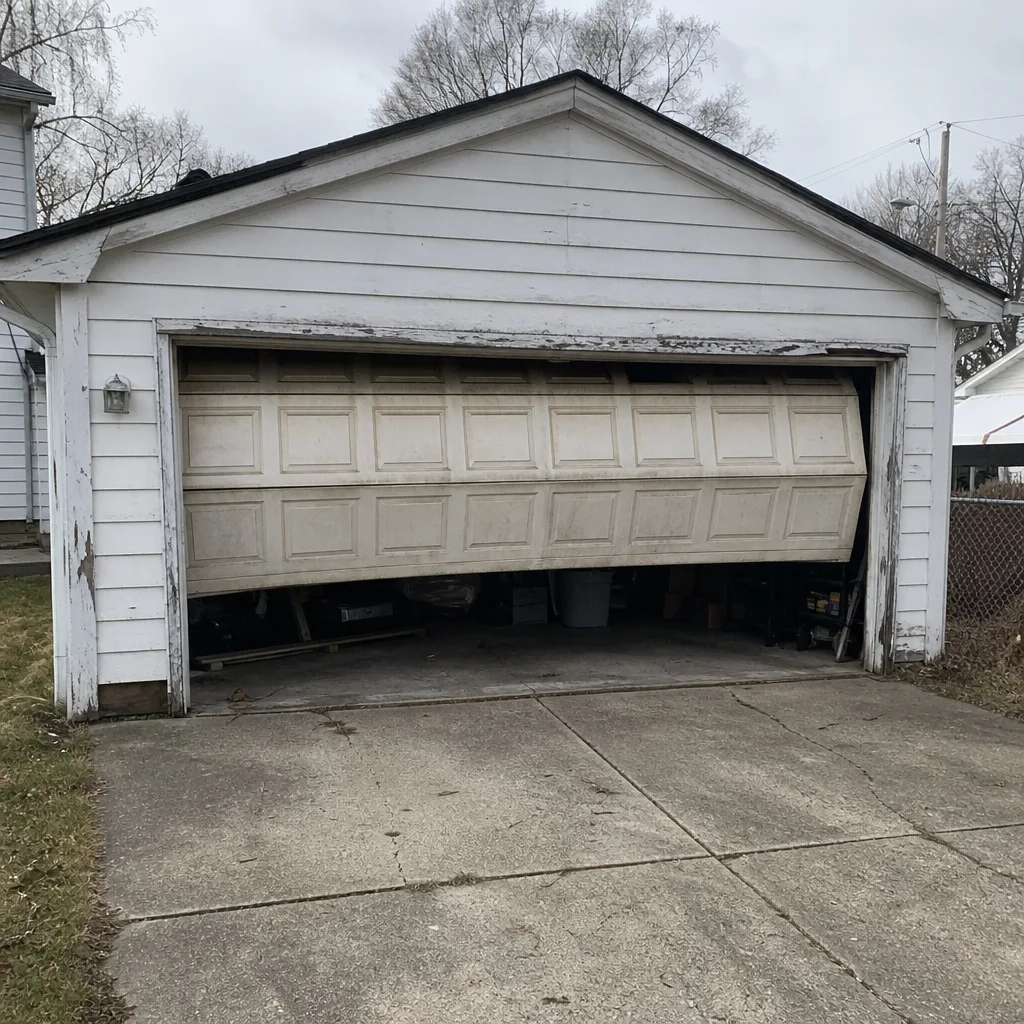 Before
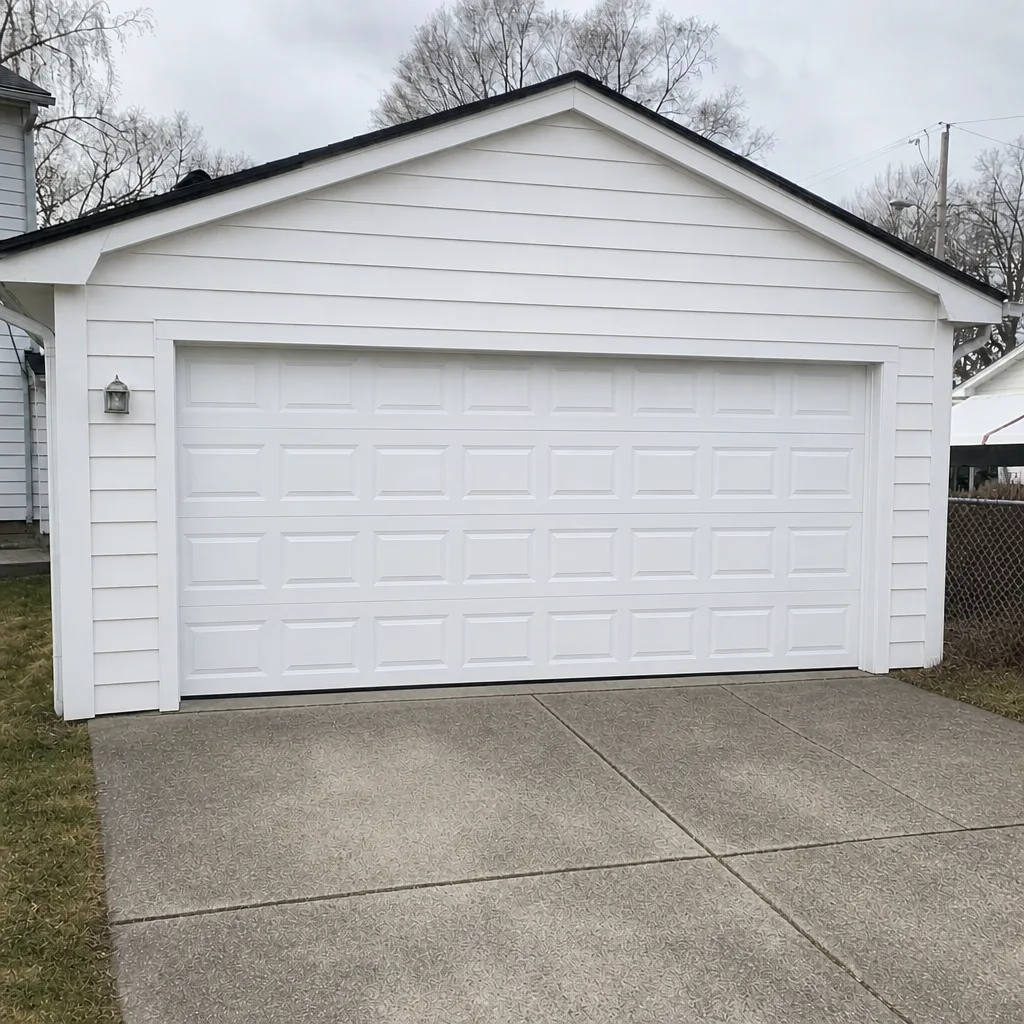 After
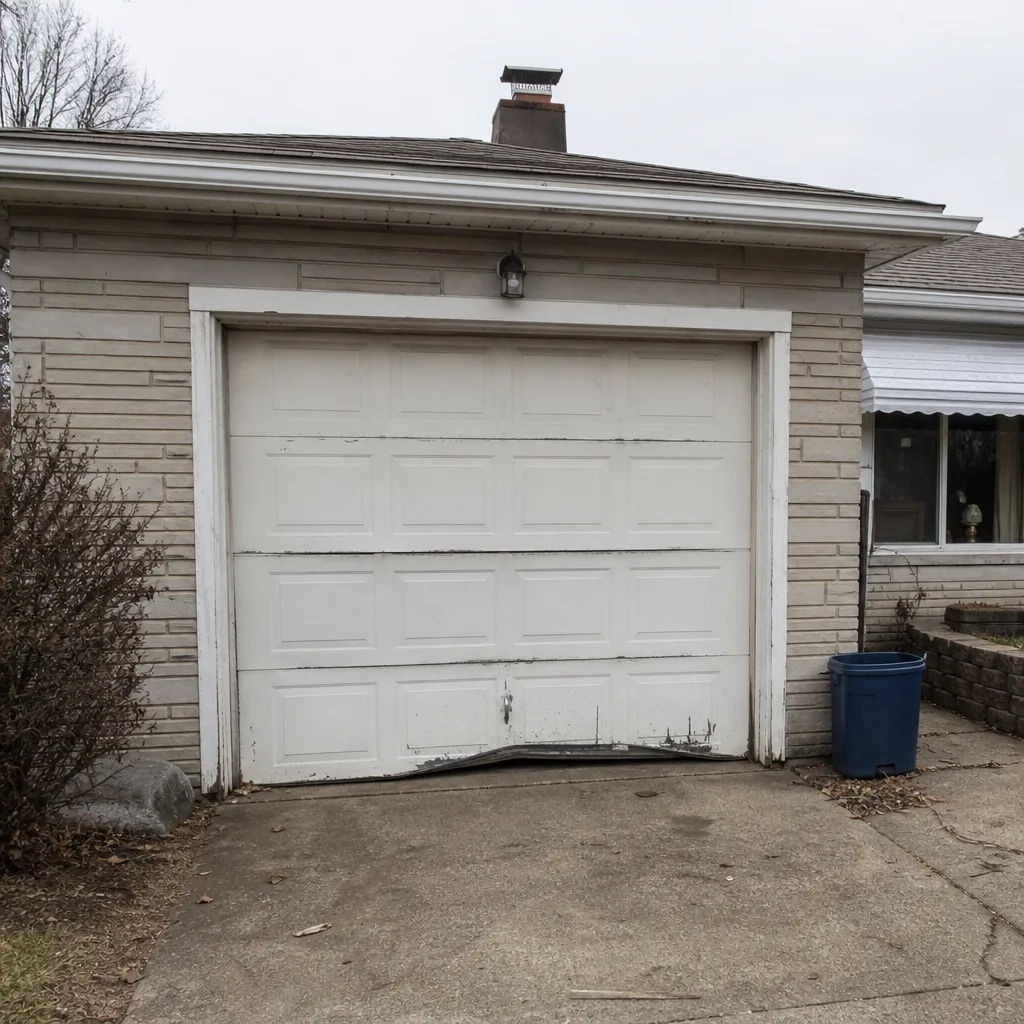 Before
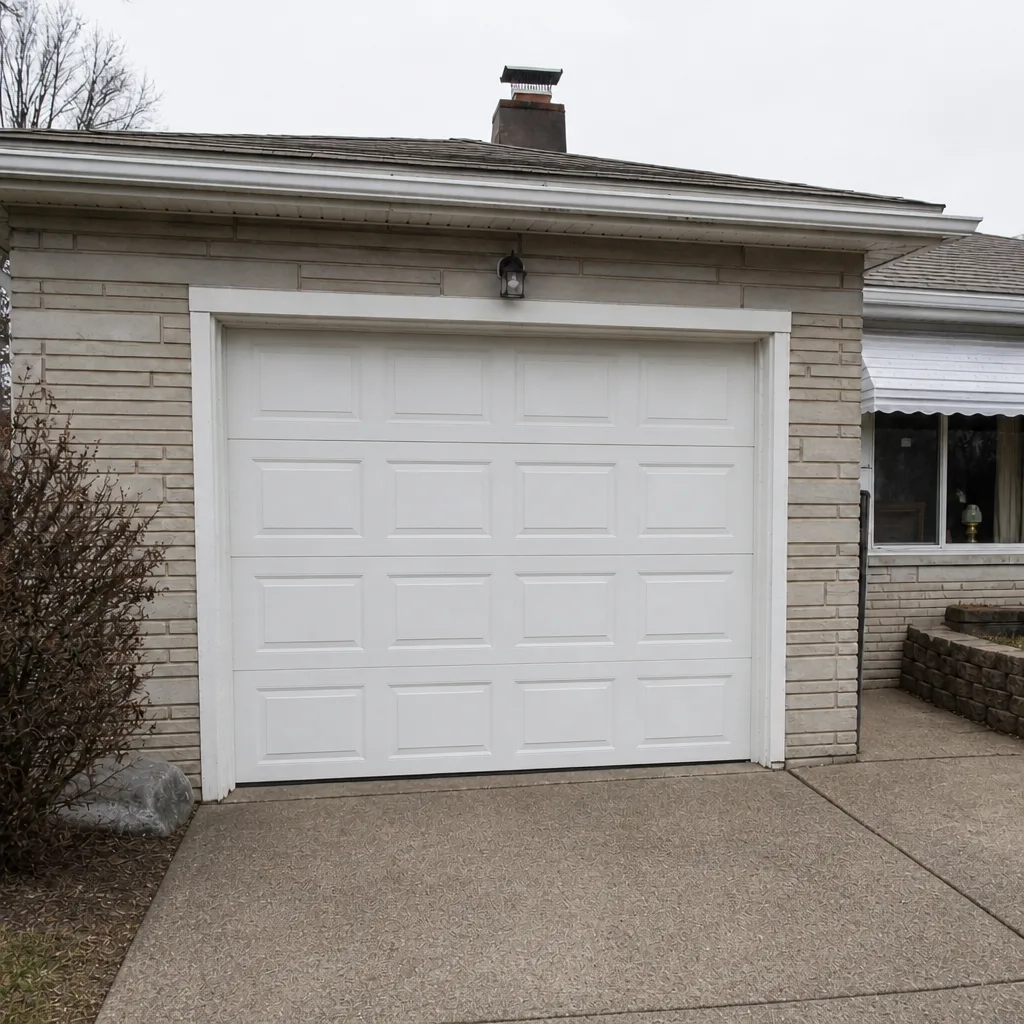 After
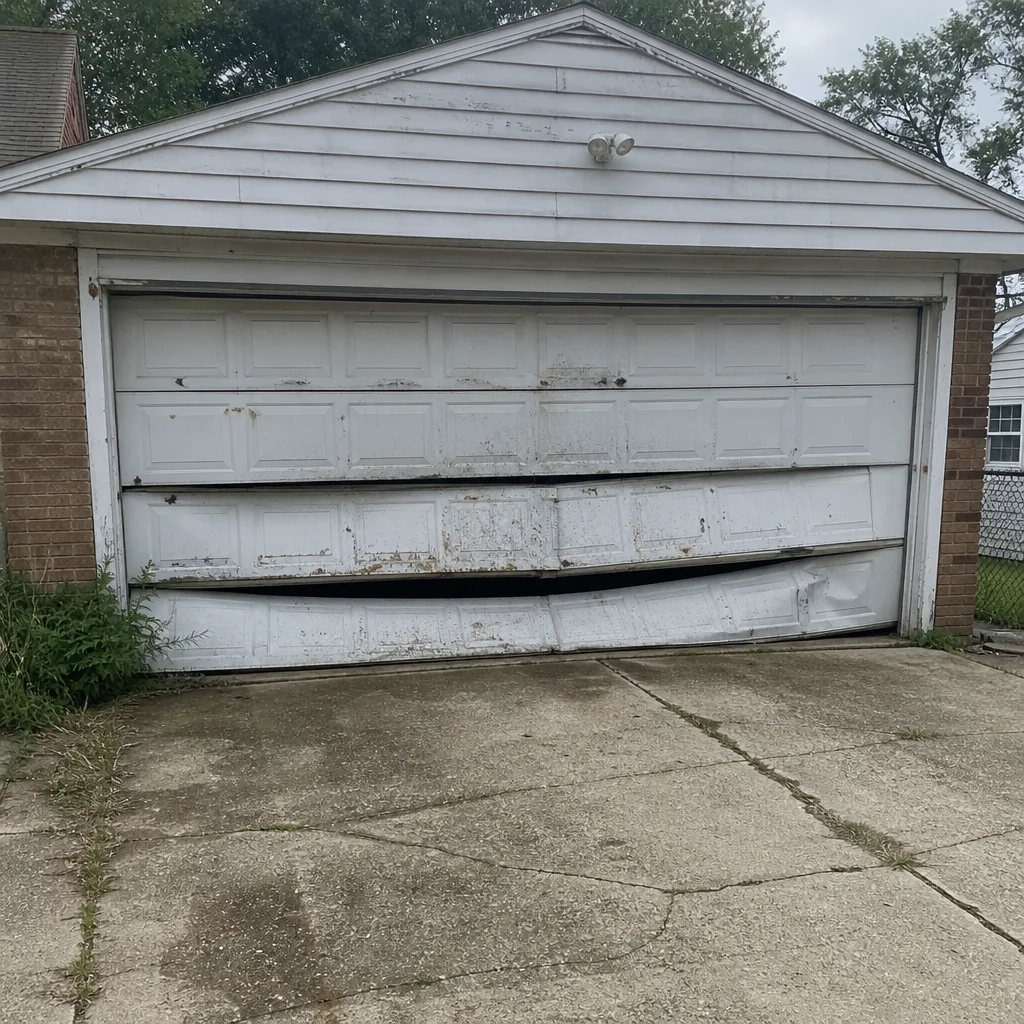 Before
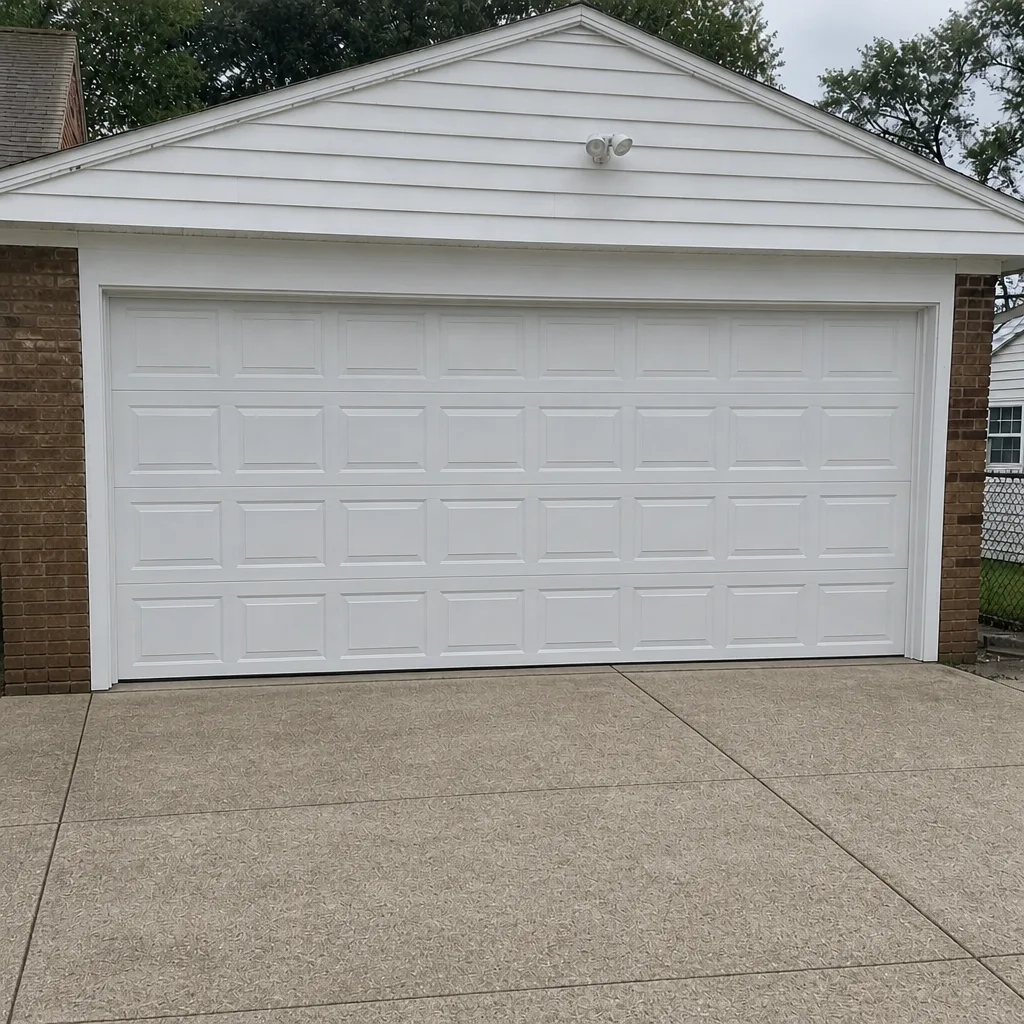 After
When to Call a Professional
Call a professional for any spring or cable warning sign, any door that has come off its track, any door that sags or lurches unevenly, any reversing fault, and any situation where the door won’t lift after a loud noise. Those are the cases where continuing to use the door puts people at risk. Also call when you can’t tell which category a symptom falls into; a quick look-up costs nothing compared with an injury. We can work on Genie, LiftMaster, Chamberlain, Clopay, Amarr, Wayne Dalton, Craftsman, and Raynor systems, so you’re not stuck finding a brand specialist. Warren Garage Door Repair Pros offers free estimates in Warren – call (866) 928-4063 for a straight answer on what you’re hearing and what it needs. We answer 24/7, and fast dispatch runs 7am to 7pm, Sunday through Friday.
Frequently Asked Questions
The most common are grinding or scraping sounds, a door that moves unevenly, fraying cables, a spring with a visible gap, and rollers that have become noisy or worn. After a Warren winter, loose hinges and rattling chains are also frequent because the cold stiffens the mechanism and loosens fasteners.
You most likely have a broken torsion spring if you heard a loud pop and the door now won’t lift, or if you can see a gap in the spring above the door. An extension spring that looks stretched out has lost tension and is near failure. This is a stop-use condition, not a monitor-it condition. Call (866) 928-4063 for an exact quote – estimates are free.
You can safely tighten loose hinges, clear debris from the track, and add lubrication, but you should never adjust springs or cables yourself. Those parts are under high tension and can cause serious injury if they slip. Leave spring and cable work to a trained professional; call a pro for anything beyond basic tightening.
It means the safety reversing system is triggering falsely, usually from a misaligned sensor, a dirty lens, or a sensitivity setting that has drifted. It’s a safety system, so it needs correcting so it works when it actually should. A pro can reset it and confirm the door reverses correctly.
Not at all for spring, cable, sagging, reversing, or off-track signs; call right away. You can generally monitor rattling hinges, mildly noisy rollers, and a small non-binding track bend until your next service visit. The one thing to never do is keep using a door with a tension fault while waiting to decide. Call (866) 928-4063 for an exact quote – estimates are free.
No, the price you agree to is the price you pay, and the written estimate sets the final number. We quote and agree on the work before anything starts, so there’s no surprise on the invoice. Call (866) 928-4063 for an exact quote – estimates are free.
The Bottom Line
Garage door failures leave a trail of clues, and most homeowners miss them because they lump every symptom into one bucket. The real skill is decoding the sound, ranking the visual signs, and watching the behavior. Springs and cables are always the urgent group because tension parts fail fast and can hurt someone. Rattles, worn rollers, and dry hinges can usually wait for a maintenance visit. Most importantly, a door that still works is not proof it’s safe; it’s a prompt to schedule a look. If anything you’ve read here sounds familiar, call (866) 928-4063 for a free estimate. We answer 24/7, with fast dispatch from 7am to 7pm, Sunday through Friday. At Warren Garage Door Repair Pros, we’d rather catch a warning sign today than fix a failure later.
Written by the team at Warren Garage Door Repair Pros.