
Last updated November 22, 2026
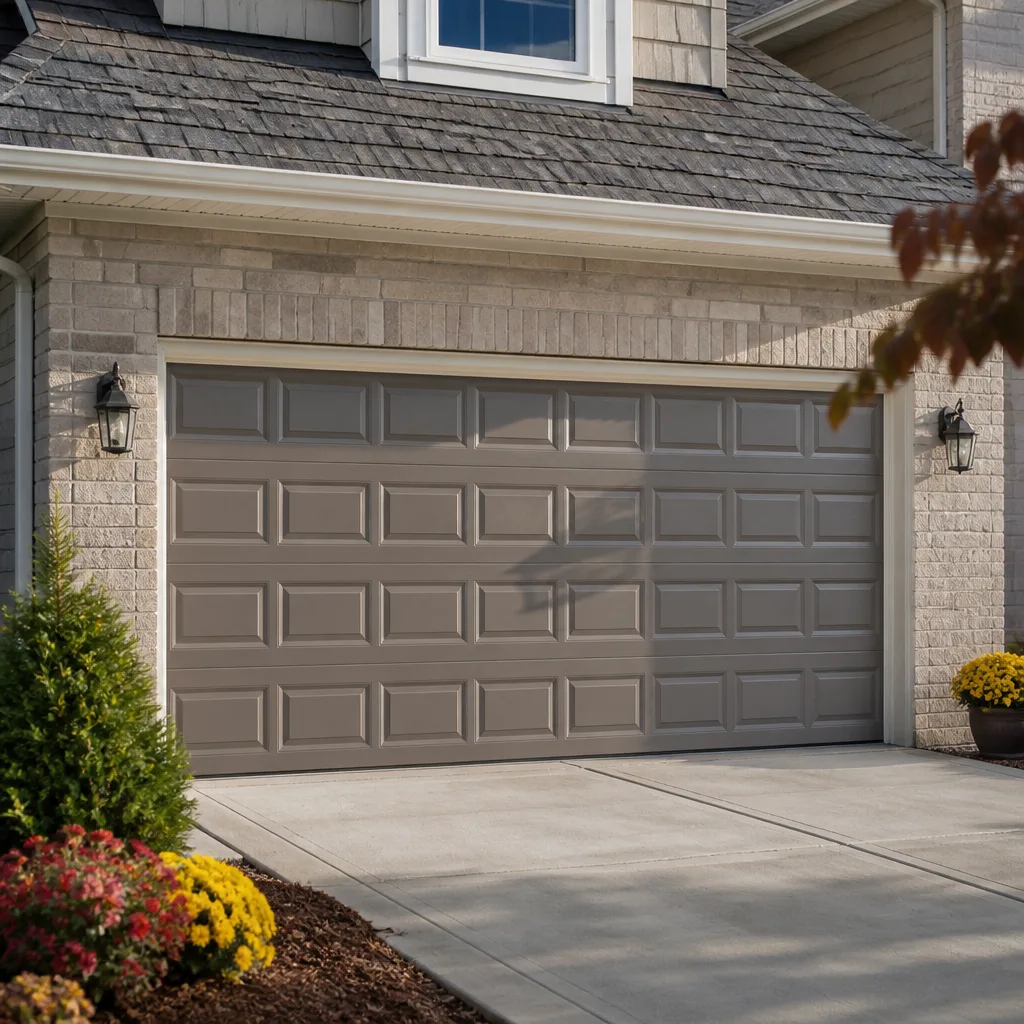 Raised-panel steel
 Carriage house
 Modern flush
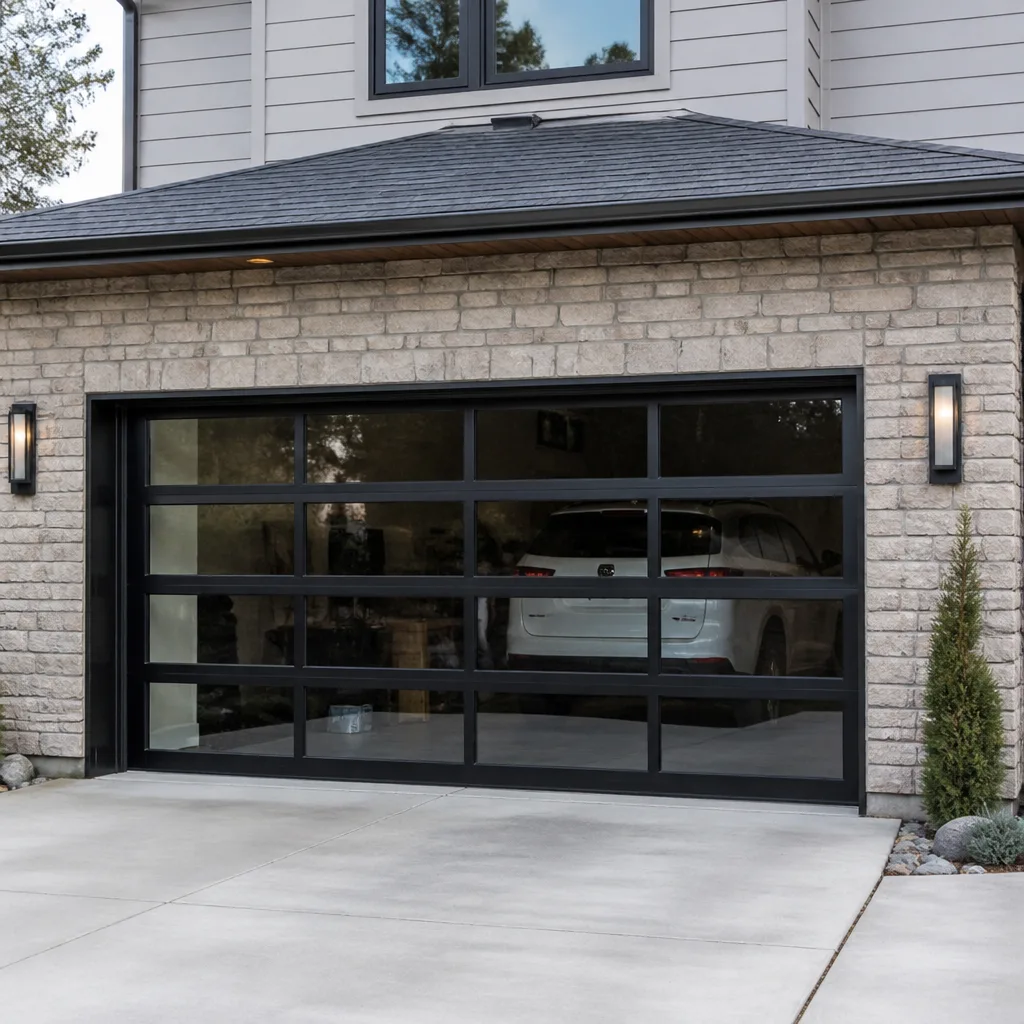 Full-view glass
 LiftMaster openers
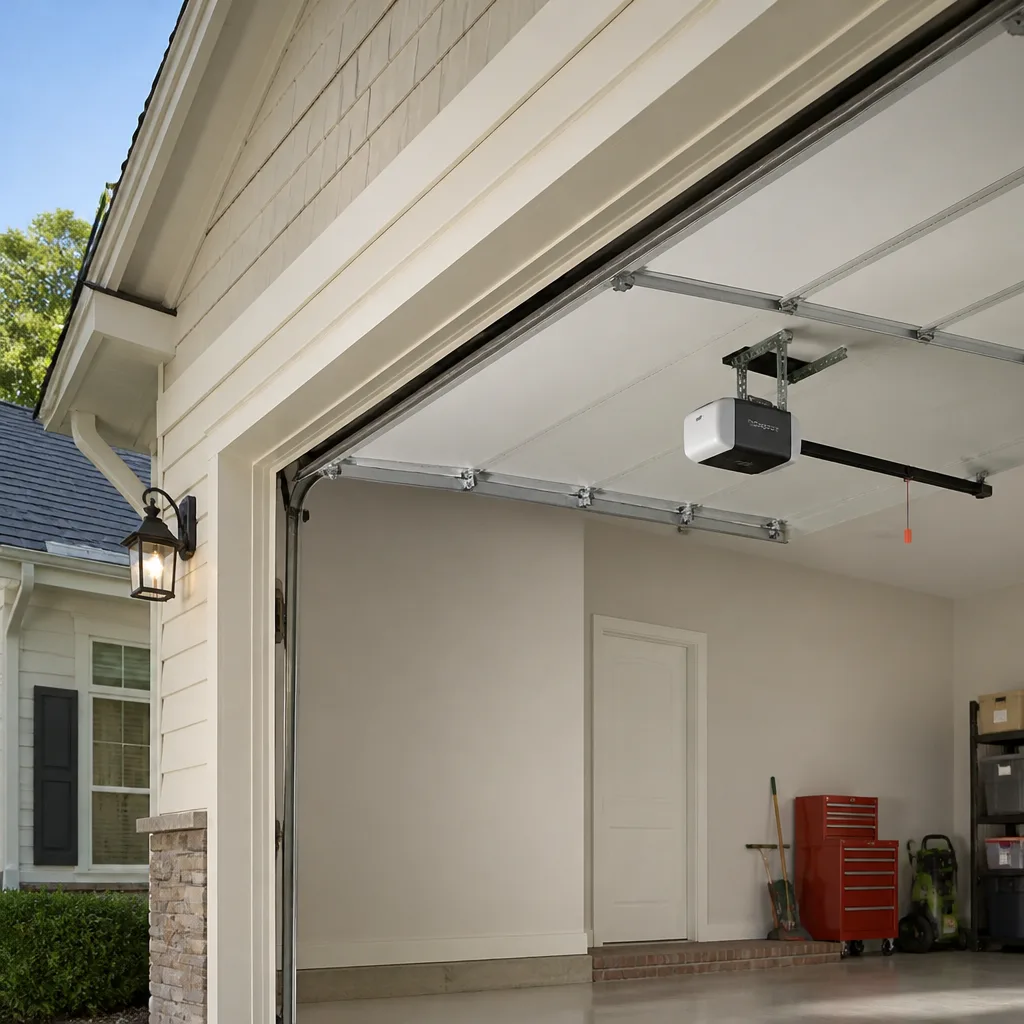 Chamberlain openers
Full 25-point door and opener safety check with every visit - springs, cables, rollers, tracks, and your LiftMaster or Chamberlain opener included
You get a price before we start. It does not change when the pro arrives.
Get your free estimateGarage Door Repair Maintenance Checklist for Warren Homeowners
Here’s the part nearly every checklist gets wrong: the most important thing you can do for your garage door isn’t lubrication, tightening bolts or spraying anything. It’s the balance test. A door that’s even a couple of pounds out of balance puts constant strain on the opener motor every single time you press the button, and that strain adds up quietly for months before anything visibly fails. Most homeowners in Warren never test it because no one told them to, and because a heavy door still opens, so nothing seems wrong. We’ve seen what that looks like at the other end: an opener motor worked to death while the door itself was the real problem. This guide walks you through a real maintenance checklist in the right order, explains which tasks you can safely do yourself, and shows you the red flags our technicians watch for on service calls in Warren.
Quick Answer
A solid garage door maintenance checklist runs in three passes: inspect and test first, adjust second, lubricate last. The core homeowner tasks are the balance test, a visual inspection of springs, cables, rollers and tracks, a reversal-safety test, and cleaning and lubricating the moving parts. Anything involving springs, cables or the counterweight system is professional-only work. In Warren, the two best times to run the checklist are October, before the first hard freeze, and April, once road grime season is behind you.
Styles & brands we work with
- Raised-panel steel
- Carriage house
- Modern flush
- Full-view glass
- LiftMaster openers
- Chamberlain openers
Table of Contents
- Why the Order of Maintenance Tasks Matters
- The Manual Balance Test: Your Most Important Task
- The Visual Inspection Pass
- Lubrication Done Right
- The Reversal Safety Test
- Warren Timing: October and April Matter
- Homeowner-Safe Tasks vs. Stored-Tension Tasks
- Red Flags to Record for the Next 90 Days
Why the Order of Maintenance Tasks Matters
A maintenance checklist isn’t a menu. It’s a sequence, and running it out of order wastes your time and can hide problems. When you lubricate a door that’s out of alignment, you coat the parts and mask the drag. The door feels smoother for a few days, and the underlying issue (a bent track section, a worn roller, a sagging panel) keeps grinding away underneath the fresh grease. Then, when it does finally fail, you’ve lost the early warning you would have caught by testing first.
The right order is:
- Balance test and track alignment check.
- Visual inspection of springs, cables, rollers, hinges and panels.
- Reversal safety test.
- Cleaning of tracks and rollers.
- Lubrication of moving parts only.
The reason for this order is simple. Tests and inspections tell you what’s wrong. Lubrication is maintenance for a door that’s already working correctly. If you lubricate first, you skip the diagnosis and lose the signal.
On Warren doors, the sequence matters even more in late fall. Cold weather stiffens the lubricant that’s already on the springs, rollers and hinges, so a door that felt fine in September can suddenly feel tight in November. That stiffness looks like a lubrication problem but is often an alignment or balance problem. If you lubricate first in October, you’ll smooth over exactly the issue that would have told you to call for garage door repair before winter.
The Manual Balance Test: Your Most Important Task
The balance test tells you whether your door is working against the opener or with it. A balanced door needs only a light pull to move; the springs do the lifting. An unbalanced door puts that work onto the opener motor, which was never designed to lift the door on its own. Two pounds of imbalance is enough to start the slow wear cycle that ends in a burned-out opener motor.
Here’s how the test works:
- Close the door completely and disconnect the opener using the manual release cord. The door is now in manual mode.
- Lift the door with one hand to about waist height and let go.
- Watch what happens. A balanced door holds its position where you leave it.
- If the door drops or rises on its own, the springs and the door weight are out of balance.
- Repeat at shoulder height and near the fully open position to confirm.
A passing result feels like neutrality. The door stays put wherever you release it. A failing result feels obvious as soon as it happens: the door runs away from your hand, either falling or rising on its own. Either direction means the springs are either under-tensioned or over-tensioned.
What an imbalance means for your opener: every open and close cycle now loads the motor with weight it wasn’t sized for. LiftMaster and Chamberlain openers have overload protection, and you might notice the motor stalling or reversing as a symptom, but even with that protection you’re wearing the drive gear and the motor windings faster than you should. On a belt-drive system, you’ll also hear the motor working harder than it should. If your balance test fails, that’s a call to us for garage door spring repair, not a lubrication job. Never adjust spring tension yourself. The springs hold stored energy under tension and are genuinely dangerous to touch.
The Visual Inspection Pass
After the balance test, walk the door and inspect. This is the pass that catches problems before they escalate, and it’s the reason professional technicians find small issues during a routine call that the homeowner never noticed. You’re not trying to fix anything at this stage, just record what you see.
Check the following:
- Springs. Look for a visible gap or break along the coil. A broken spring normally shows as a clear separation. Never touch, oil or test the tension on a spring.
- Cables. Look for fraying, kinks or slack. Cables under tension are also professional-only.
- Rollers. Rollers should turn freely in their tracks. A flat-spotted or seized roller makes a scraping noise and drags the door.
- Hinges. Check that hinges are tight and not bent.
- Panels. Look for dents, cracks at the top of the bottom panel, and separation at seams. Look for rust along the bottom edge where splash and grime collect.
- Tracks. Tracks should be straight and parallel. Look for dents or bends, usually near the bottom curve.
- Weather seal. Check the rubber seal along the bottom edge. Cracking and gaps let in drafts and pests.
On Wayne Dalton and Raynor doors, the bottom panel and seal take the most punishment because they sit closest to the concrete and the splash zone. If your door has visible rust along the bottom, that’s worth noting even if it’s not yet causing a problem.
Lubrication Done Right
Lubrication is only a maintenance step, not a repair. On a door that has already passed the balance test and the visual inspection, it extends the life of the rollers, hinges and tracks. On a door that hasn’t been tested, it just coats the symptoms.
What to lubricate, and with what:
- Rollers and hinge pins. A garage door specific spray lubricant or white lithium grease works well here. Don’t use thick grease, which collects grit in cold weather.
- Springs. A light coating of lubricant on torsion or extension springs is fine as a corrosion barrier. Never adjust them.
- Tracks. Wipe tracks clean with a damp cloth, dry, then apply a thin film of lubricant only on metal-to-metal contact points. Don’t overgrease. Excess grease collects grit.
- Opener rail. Check your opener manual for the recommended lubricant on the rail. Belt-driven systems often need nothing on the belt itself.
Do not lubricate:
- Nylon rollers, which don’t need lubrication and can be degraded by some products.
- The photo-eye lenses or any sensor surface.
- The opener chain or belt unless the manufacturer specifically calls for it.
In Warren, the cold months change what works. A lubricant that feels fine in July can stiffen in January. If your door feels tight or slow in the cold, wintry weather, don’t just reach for more grease. Test the balance first, then lubricate with a product rated for the temperatures you actually deal with here.
The Reversal Safety Test
This test checks that the door reverses when it meets an obstruction, and it’s the single most important safety test on any automatic door. Do it every month. It takes about thirty seconds.
- Open the door fully, then close it using the wall control.
- As the door reaches about midway, place a solid object (a 2×4 or a brick) on the ground in the path of the door.
- The door should contact the object and reverse back open immediately.
- If the door doesn’t reverse, the opener’s force setting may be too high. That’s a professional adjustment.
- Also test the photo-eye sensors by passing a hand in front of them while the door is closing. The door should reverse.
If either test fails, stop using the door and call for service. This is a safety issue, not a maintenance preference. On any modern LiftMaster, Chamberlain, Genie or Craftsman opener, the force settings are set by a technician, not guessed at by the homeowner. If your opener was installed more than a decade ago, it’s worth having a technician confirm the safety reverse is still calibrated correctly, especially if you’ve never checked it.
Do not adjust force settings or bypass safety sensors as a workaround. If a sensor is faulty, replace it. If the force setting seems too high, that’s a technician decision.
Warren Timing: October and April Matter
Garage door maintenance has seasons, and in Warren the seasons are specific. The two dates that matter most are October and April, and they’re worth building into your calendar.
October, before the first hard freeze:
- Run the balance test one last time before temperatures drop. A door that’s marginally out of balance will start to feel much worse in the cold.
- Lubricate all moving parts with a cold-rated product.
- Check the bottom seal for gaps. Cold air and snowmelt find every gap you leave.
- Test the reversal and photo-eye safety systems.
- Listen for the opener working harder than it did in summer.
April, after road grime season ends:
- Wash and inspect the door panels. Winter road splash collects on the bottom panel and around the weather seal.
- Check for rust at the bottom edge and around hinge points.
- Clean and re-lubricate rollers, hinges and tracks.
- Test the balance again, since spring expansion changes tension slightly.
- Look for exterior seal failures where wind-driven rain has found the frame.
Why the two-season schedule works in Warren: our winters bring freeze-thaw cycles that stiffen lubricants and stress seals, and our springs bring grit and grime that abrade moving parts. A door that gets both checkpoints has a much better chance of not failing in the middle of a cold snap. If you’re planning a full replacement rather than maintenance, this is also the right time to book a measure and a written price. Warren Garage Door Repair Pros handles repair, opener work, spring replacement and installation, all under one company.
Homeowner-Safe Tasks vs. Stored-Tension Tasks
The line between these two categories is not negotiable, and it’s the most common place where a well-meaning homeowner gets hurt. Some tasks are safe and useful to do yourself. Others look simple until you understand what’s stored in the parts you’re touching.
Homeowner-safe tasks:
- Balance test (handle only, no adjustments)
- Visual inspection of springs, cables and panels (looking, never touching)
- Reversal and photo-eye safety test
- Cleaning tracks and rollers
- Lubricating moving parts
- Washing and inspecting panels
- Replacing the weather seal on the bottom of the door
Stored-tension tasks, professional-only:
- Adjusting, releasing or replacing torsion springs
- Adjusting, releasing or replacing extension springs
- Replacing or reattaching lift cables
- Adjusting force or limit settings on the opener
- Straightening or replacing bent tracks
- Adding tension to any spring system, even a “small adjustment”
The reason is real: garage door springs store an enormous amount of energy. A torsion spring under tension can release suddenly if handled incorrectly, and lifting cables under tension can whip. The tracks and panels themselves are mostly safe. The spring and cable systems are not. This is why we treat spring work as a specialist service and never recommend a homeowner try to adjust one. Even a technician treats the springs with specific tools and follows a procedure each time. If a spring is broken or out of balance, that’s a professional call, full stop.
Red Flags to Record for the Next 90 Days
Some issues aren’t emergencies yet, but they are leading indicators. Our technicians frequently spot one or two of these during a routine check and know exactly when they’ll become a real failure. Writing them down lets you plan rather than react.
Note these red flags on your checklist if you see them:
- Sluggish opening on cold mornings. Typically points to a balance issue or stiff lubrication. Plan a service call before winter.
- A door that reverses at the same spot on its own. Force setting or sensor alignment.
- A clicking or scraping noise in the rollers. Worn roller, usually a routine fix that becomes bigger if ignored.
- A single panel with a visible dent or seam separation. Cosmetic now, but panel weight distribution can shift over time.
- Slow opener speed compared to the previous season. Something is dragging. Test the balance.
- A gap along the bottom seal. Weather and pest entry, worth fixing before it gets costly.
- A spring that looks slightly gapped. Not broken yet, but the beginning of one. Get it inspected.
Keep these notes for 90 days. If you count more than two or three active flags, that’s an affordable call now rather than a same-day emergency later. A service visit in Warren catches these early, and our technicians have up to 11 years of experience diagnosing exactly these patterns. If you have a LiftMaster or Genie opener, our team knows the specific diagnostic quirks of the model. That speed matters, because we don’t have to guess.
Common Mistakes to Avoid
- Lubricating before testing. This is the number-one mistake we see in Warren. Fresh lubricant masks the drag that a balance test would have revealed, and you lose the early warning.
- Skipping the balance test entirely. A door that opens and closes feels fine until it doesn’t. Without the balance test, you have no idea whether the opener is doing work it wasn’t designed to do.
- Touching the springs. Even a “small” adjustment on a torsion spring requires the correct tools and knowledge. Garage door springs are the most common cause of serious injury for homeowners who try to service their own door.
- Using the wrong lubricant. Thick grease collects grit in cold weather and wears rollers faster. White lithium or a garage door-specific product works better in Ohio winters than heavy automotive grease.
- Ignoring the reversal safety test. A door that doesn’t reverse is a safety hazard, especially in a household with children or pets. Test it every month.
- Running the October checklist in November. By then, the first hard freeze has already stressed the lubricant. In Warren, the October window is the right window.
- Calling a handyman for spring work. Spring repair is a specialist job. A general handyman without training on spring systems can turn a mid-level problem into a serious one. This is why we work on this trade only.
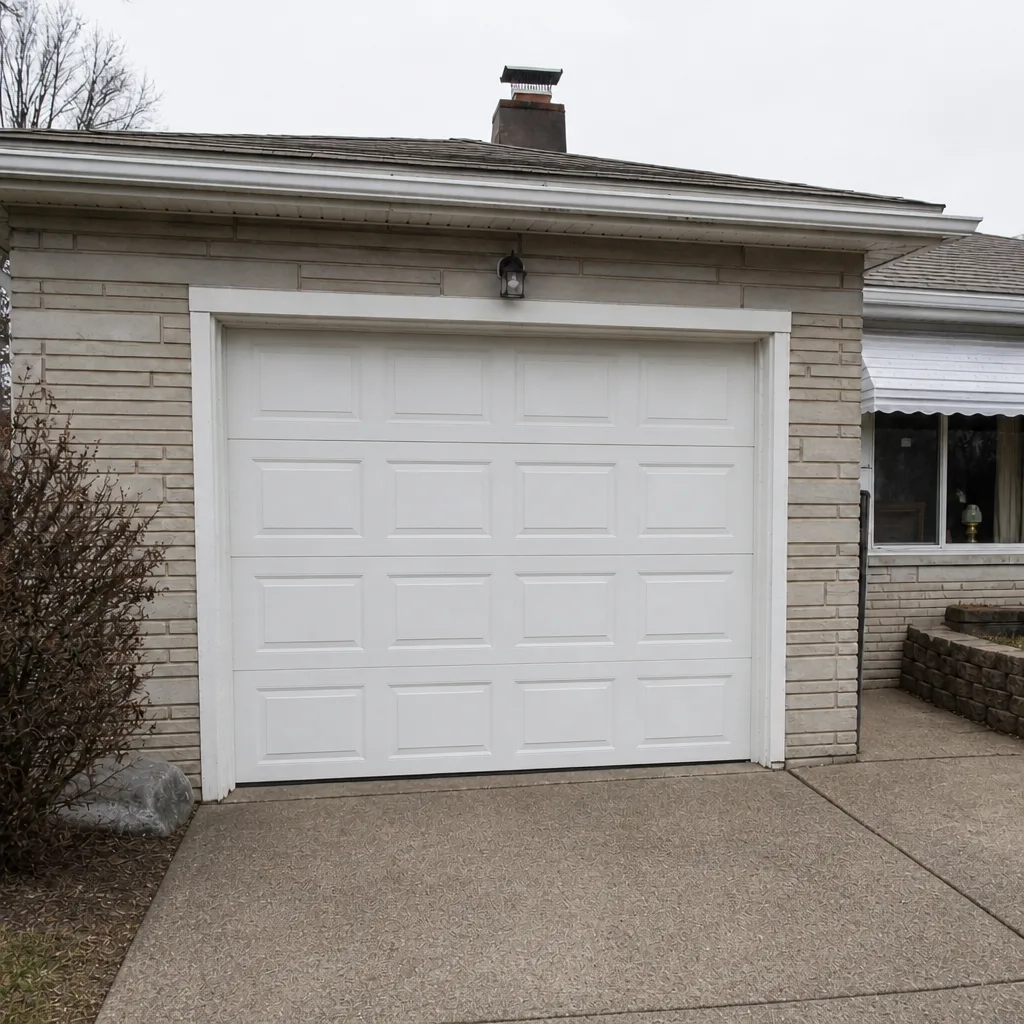
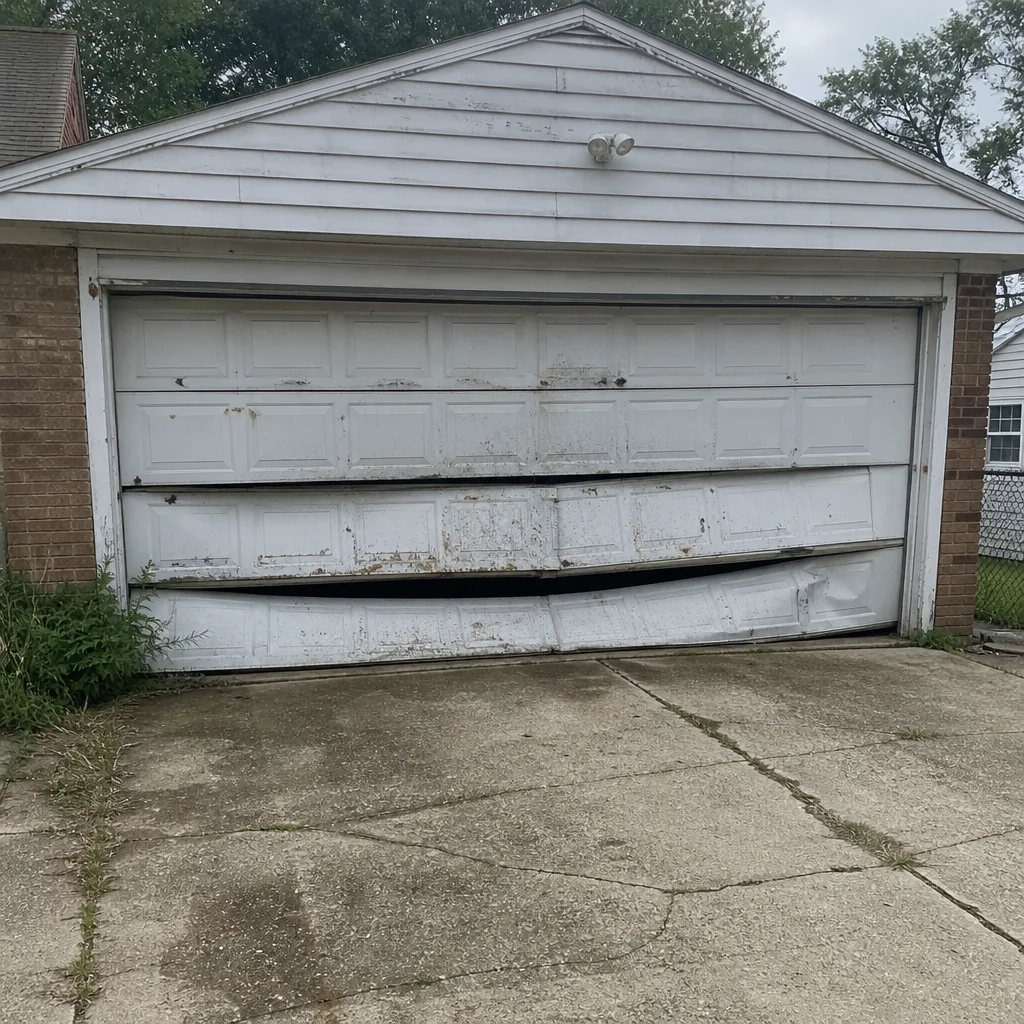
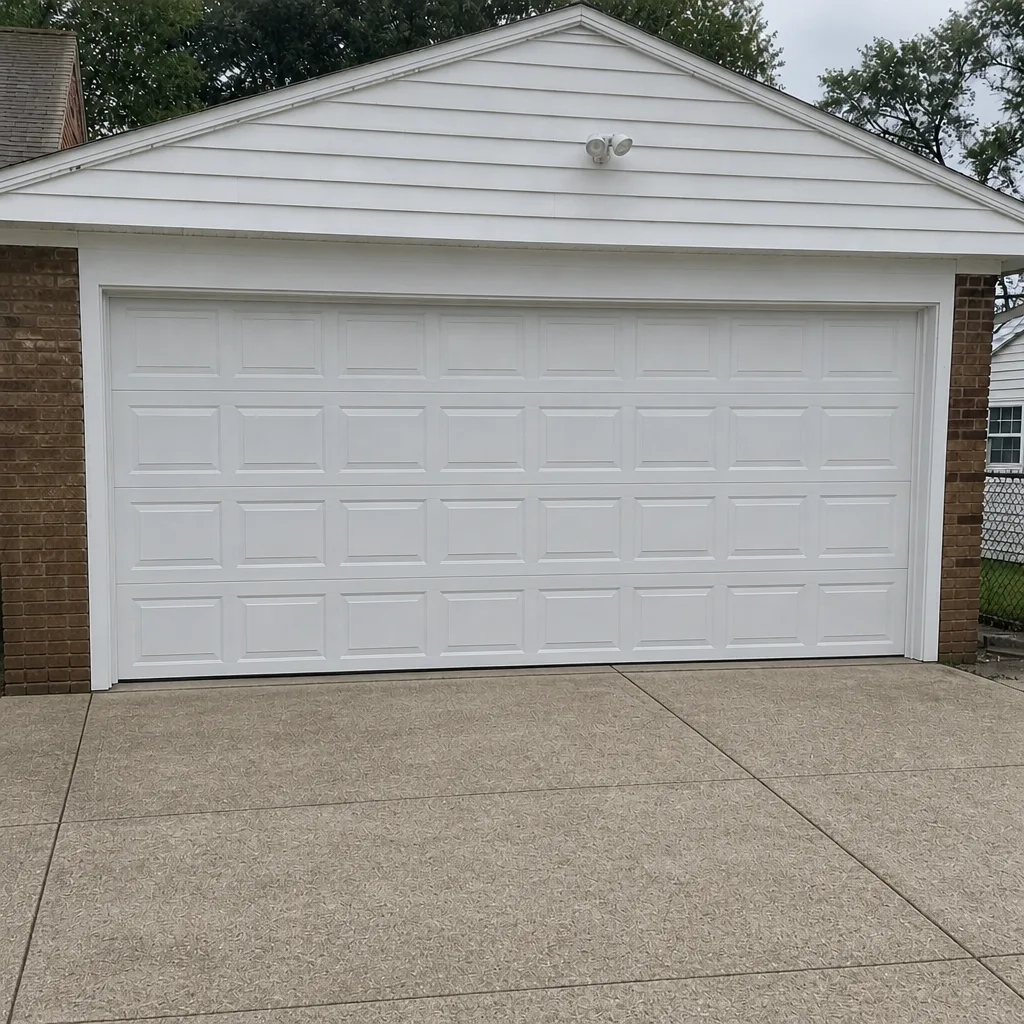
See the difference
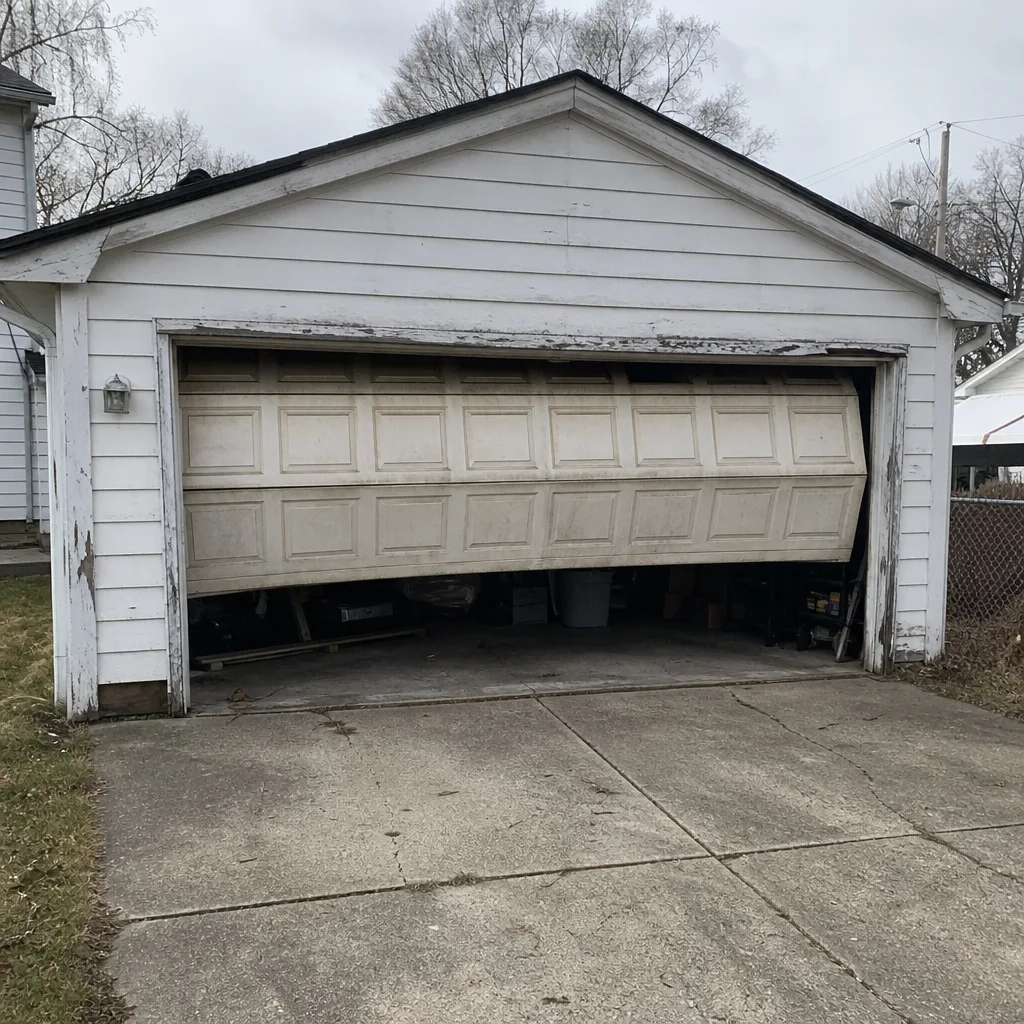 Before
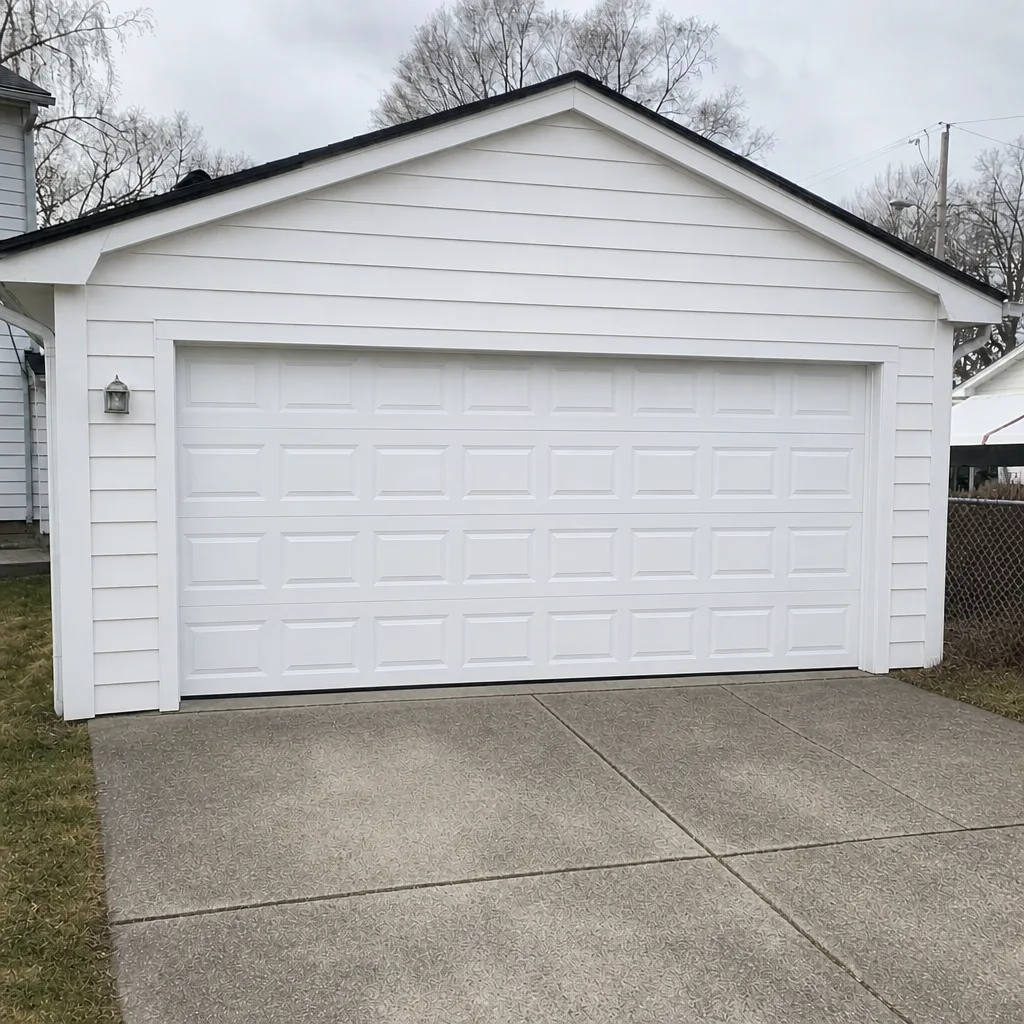 After
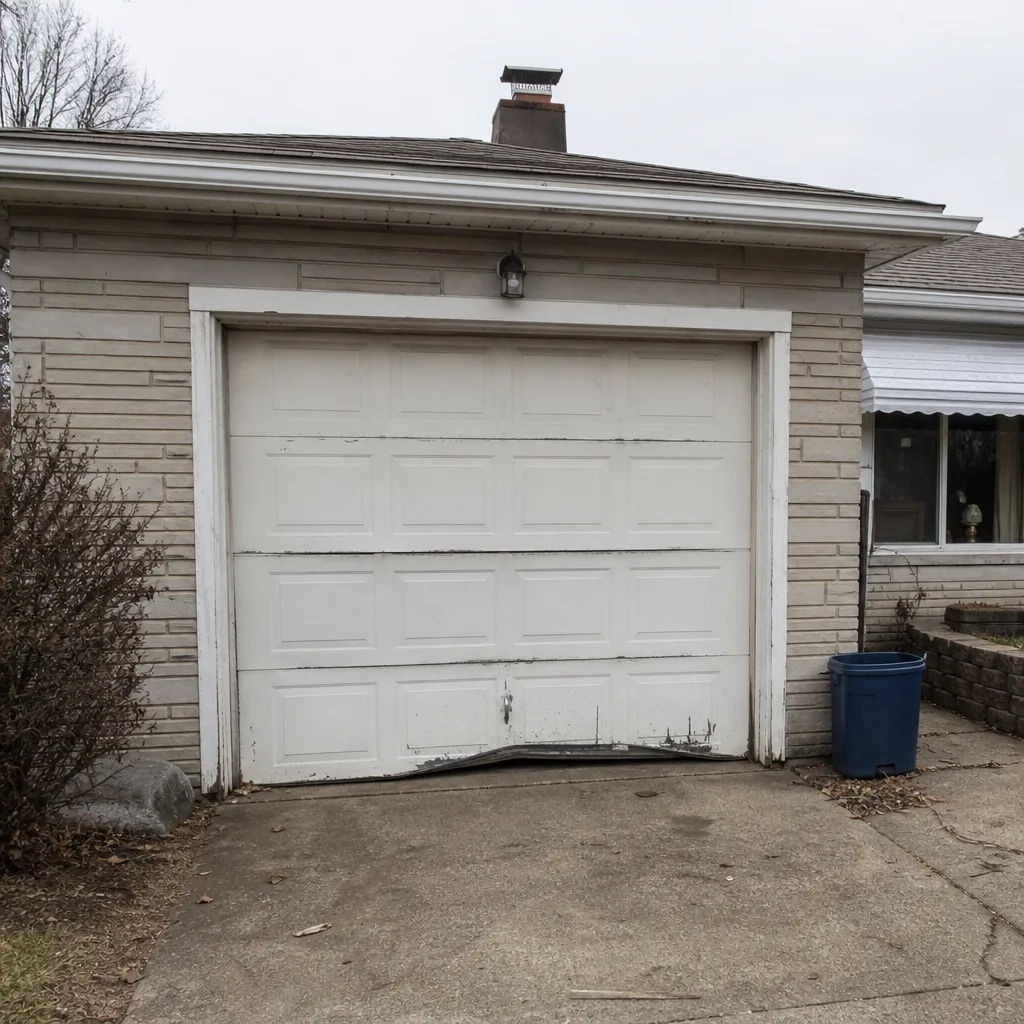 Before
 After
 Before
 After
When to Call a Professional
Call a professional if your door fails the balance test, if the reversal safety test fails, if you see a gap in any spring, if the door comes off its track, if the door won’t open or won’t close at all, or if the opening is visibly jerky. Also call if you have a broken panel or a bent track. These are not maintenance adjustments, they’re repairs. For garage door opener repair on a motor that’s working too hard or reversing intermittently, we can diagnose the opener and the door together, which is usually where the real problem is. Warren Garage Door Repair Pros offers free estimates in Warren. Call (866) 928-4063. We answer 24/7, with fast dispatch from 7am to 7pm, Sunday through Friday. The price is quoted and agreed before any work starts, and it’s set per job by the written estimate, not by a surprise at the end.
Frequently Asked Questions
Twice a year is the standard: once in October before the first hard freeze and once in April after road grime season ends. In between, run the balance test and reversal safety test once a month. Those two tests catch most problems before they become repairs, and they take about a minute each.
The balance test, hands down. It’s the one task that tells you whether the door is working with or against the opener. A door that’s even two pounds out of balance puts steady strain on the opener motor, and most homeowners never test it because it’s not on their radar. Call (866) 928-4063 if the balance test fails.
No. Garage door springs hold stored energy under tension, and a release can cause serious injury. Spring repair and adjustment is professional-only work. Our team handles it as a specialty. If you see a broken spring, don’t touch it and don’t run the door. Call (866) 928-4063.
Cold stiffens lubricant on rollers and hinges, and it also brings any marginal balance problem to the surface. If the door feels tight in January but was fine in October, test the balance first. If the balance is fine, a cold-rated lubricant usually helps. If not, that’s an opener or spring issue worth diagnosing.
We work on the brands that are actually installed in Warren homes, including LiftMaster, Chamberlain, Genie, Clopay, Amarr, Wayne Dalton, Craftsman and Raynor. Our technicians have up to 11 years of experience diagnosing and repairing these systems. Call (866) 928-4063 for a free estimate.
No. The written estimate is the price, and it’s quoted and agreed before any work starts. If we find something else on arrival, we discuss it with you first. We don’t start work until you’ve approved the price. That’s true on a maintenance call and on a full repair job.
The Bottom Line
A garage door maintenance checklist works when you run it in the right order: test first, adjust second, lubricate last. The balance test is the testing step that matters most, and it’s the one most homeowners skip. Springs and cables are professional-only, always. In Warren, October and April are your two maintenance bookends, and the between-season monthly tests catch problems before they become emergencies. Keep a short list of red flags and let them guide your next service call. Our technicians have up to 11 years of experience and work on your brand, not a generic approximation of it. When you’re ready, we’re one call away.
Call Warren Garage Door Repair Pros at (866) 928-4063 for a free estimate. We answer 24/7. Fast dispatch from 7am to 7pm, Sunday through Friday. The price is quoted and agreed before any work starts. We’re the full-service specialty shop for opener repair, spring repair, door repair, and complete new door installation, and we work on the systems that are actually in your garage. For garage door opener repair or spring service, one call gets you the full fix.
Written by the team at Warren Garage Door Repair Pros.