
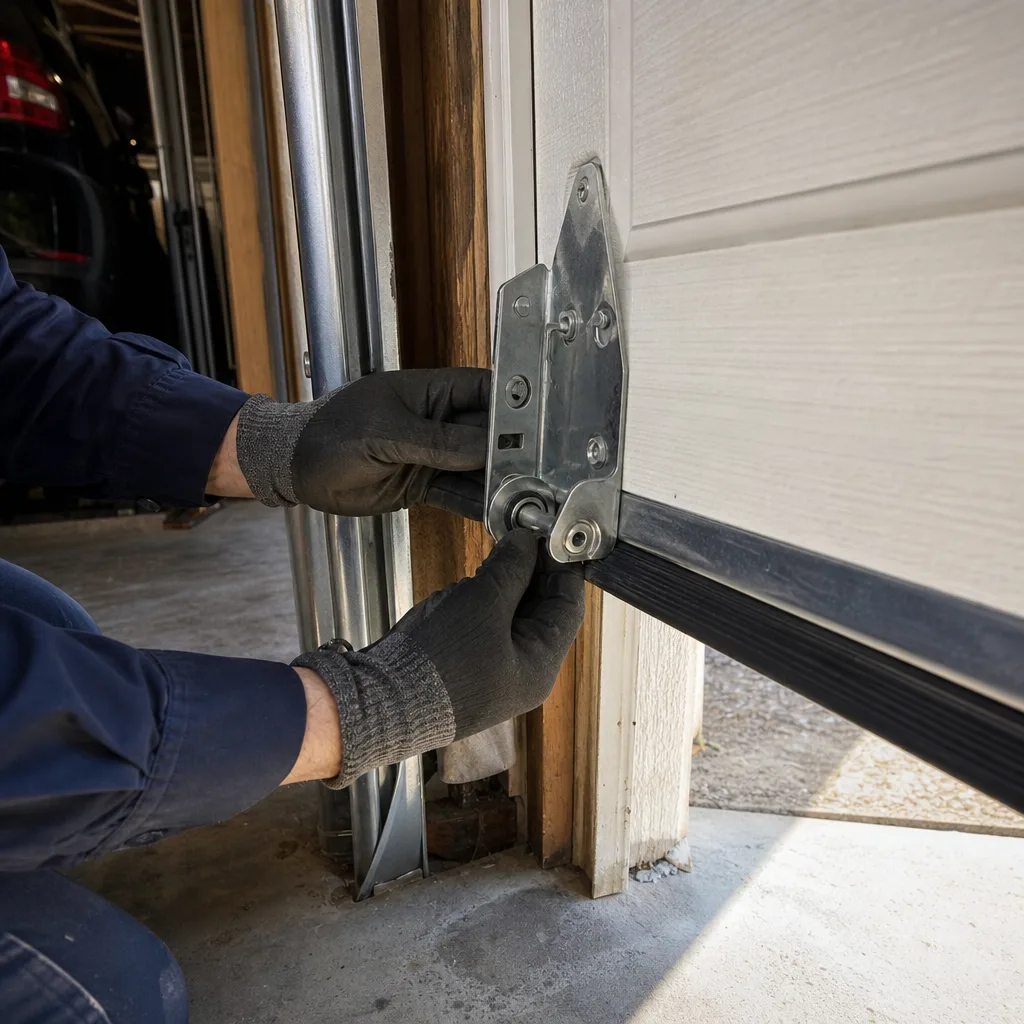
Last updated November 22, 2026
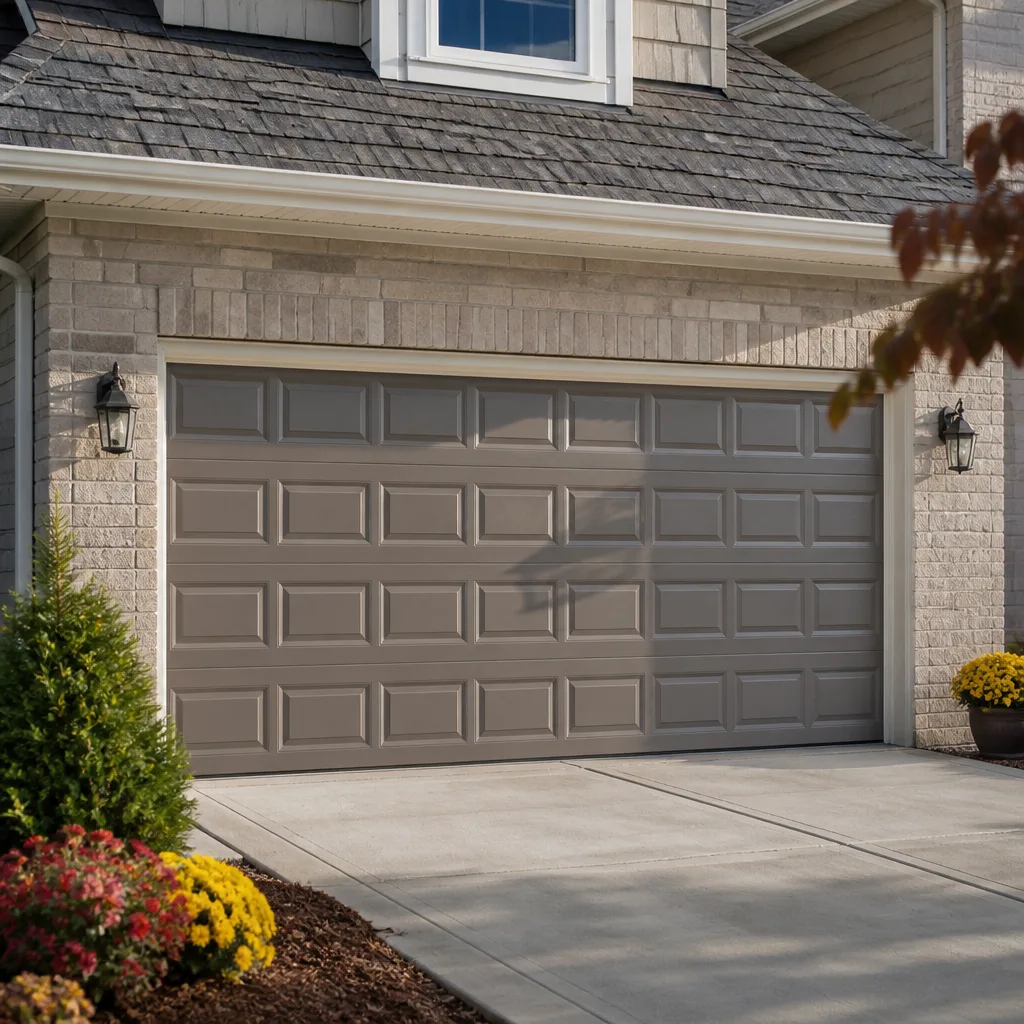 Raised-panel steel
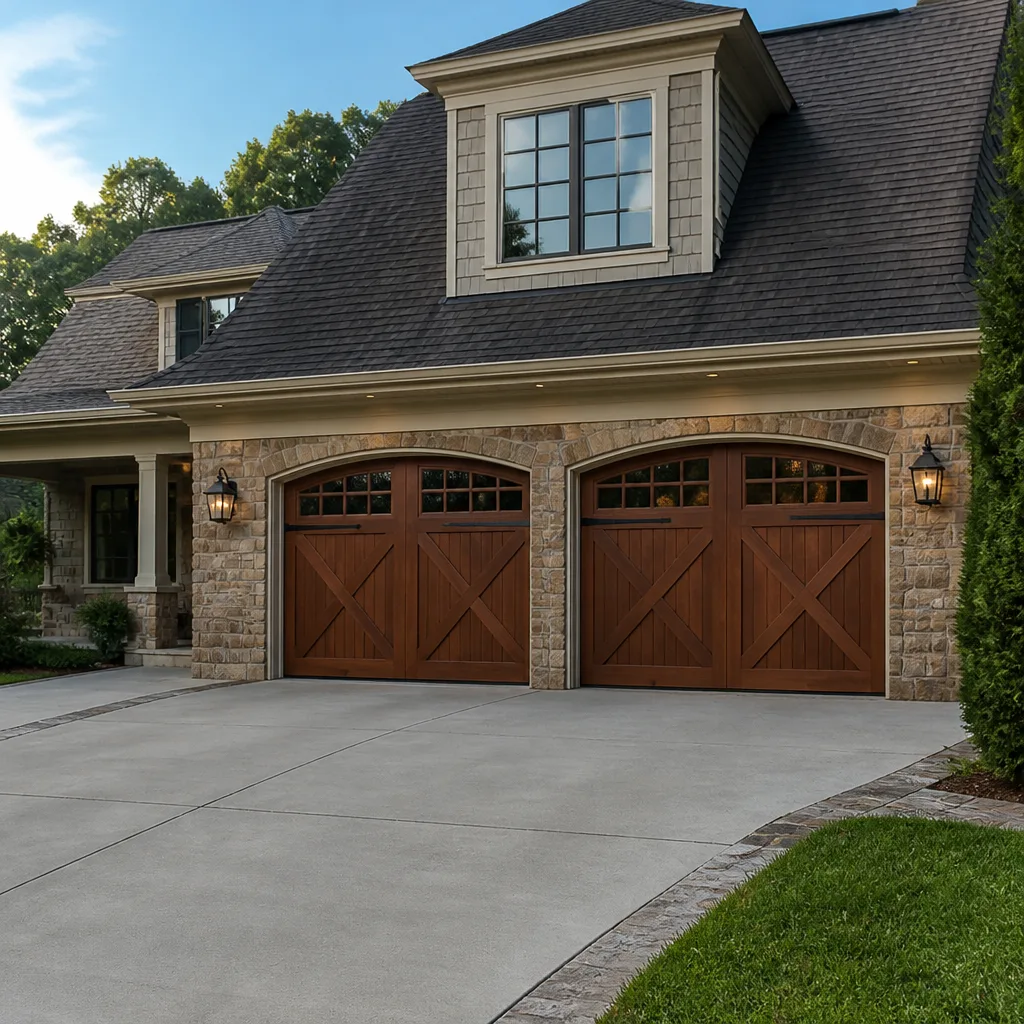 Carriage house
 Modern flush
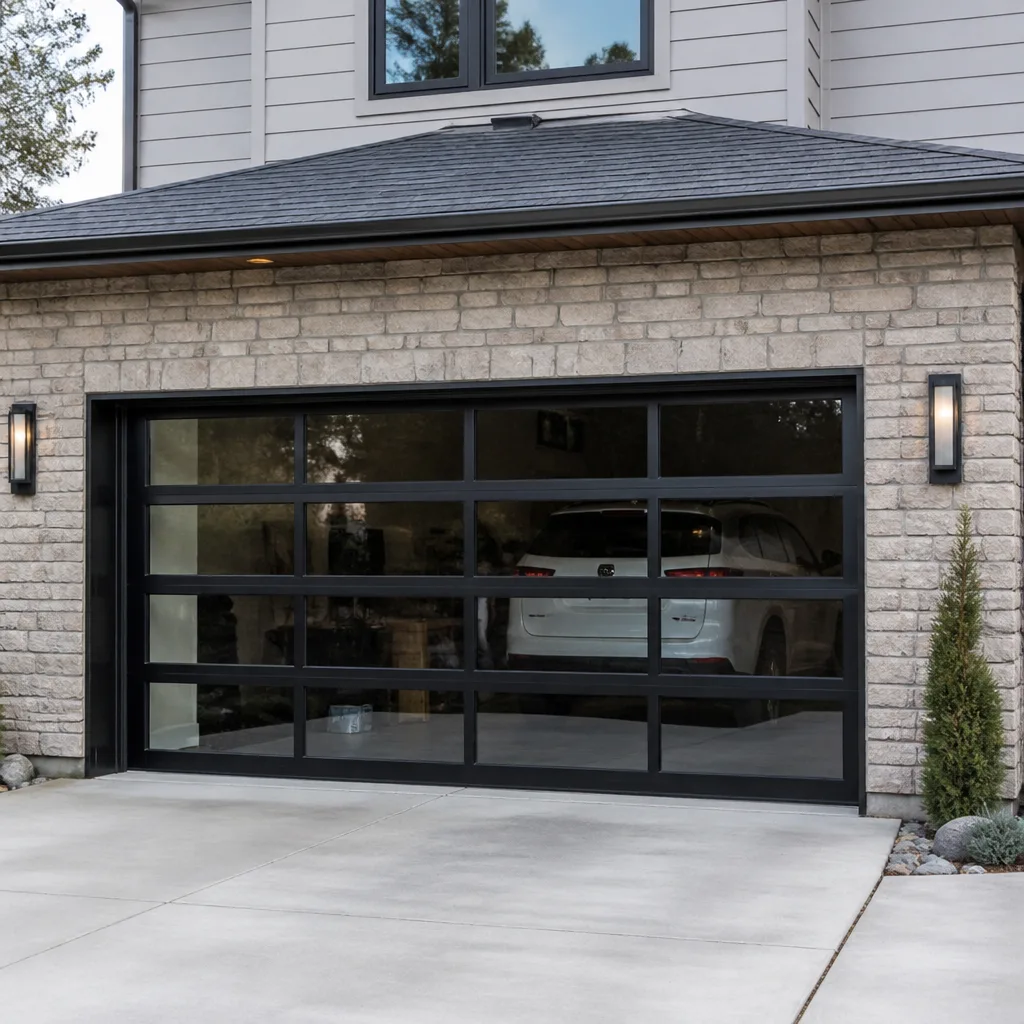 Full-view glass
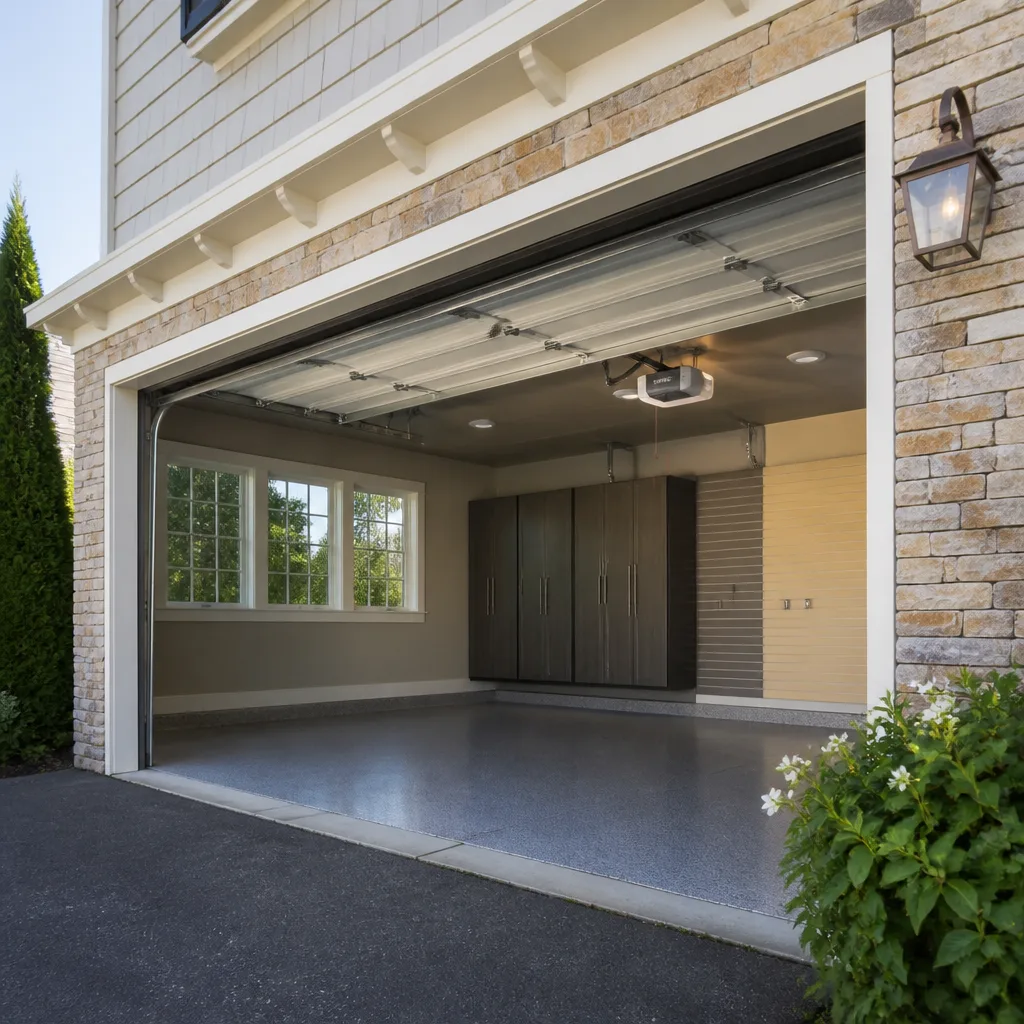 LiftMaster openers
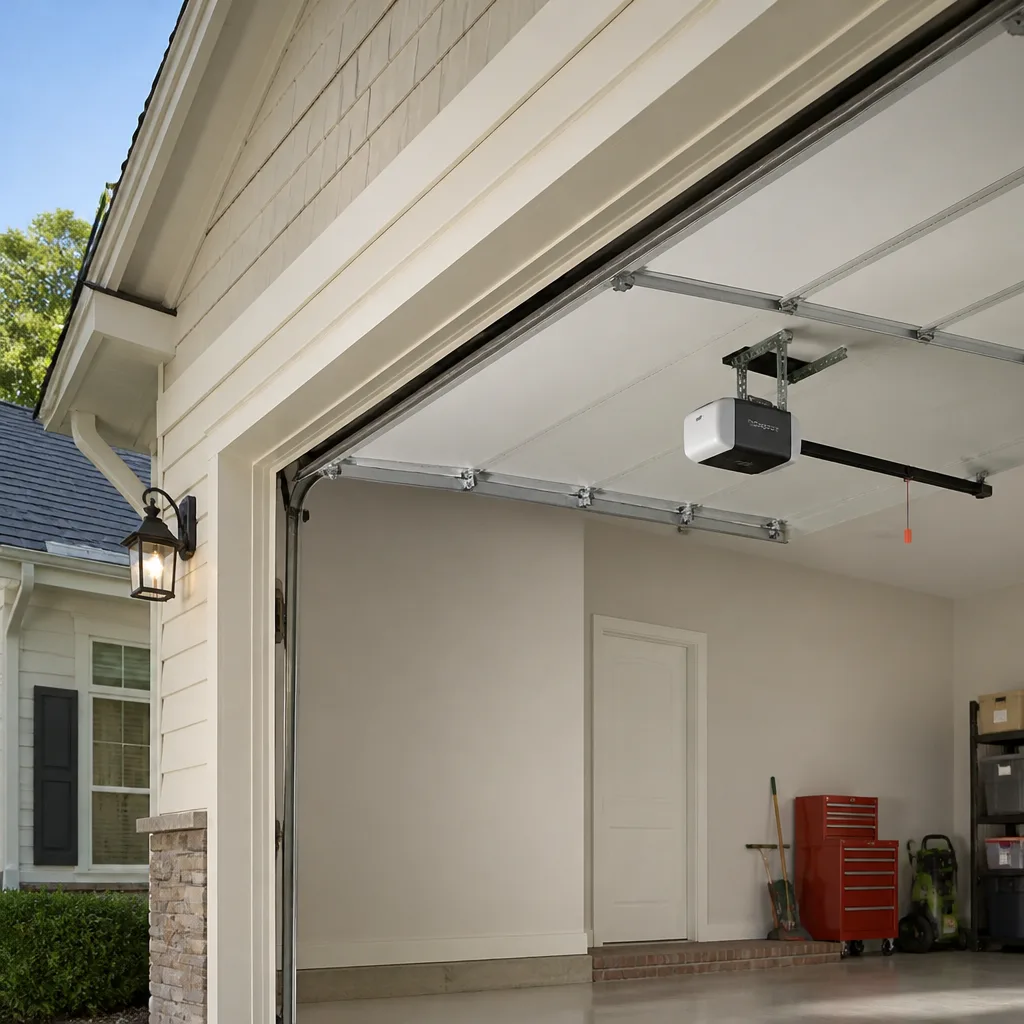 Chamberlain openers
Full 25-point door and opener safety check with every visit - springs, cables, rollers, tracks, and your LiftMaster or Chamberlain opener included
You get a price before we start. It does not change when the pro arrives.
Get your free estimateGarage Door Permits, Codes & Inspections in Warren, OH: What You Need to Know
Most homeowners in Warren assume a garage door is like a carpet: replace it and nobody asks questions. The truth is stranger. Swap a door for the same size and spring in the same track and you’ll usually sail through without paperwork. Change the rough opening, frame a wider bay, or wire a new opener circuit, and you’ve stepped into Ohio Building Code territory whether anyone mentioned it or not. We’re a Warren-based garage door company, and we’ve watched homeowners learn this the hard way at resale. This guide walks you through exactly when a permit is triggered in Warren, what an inspector actually looks at, and how to keep your project clean from the first phone call to the final sign-off.
Quick Answer
A like-for-like replacement of a garage door in Warren generally does not require a permit. A permit is typically triggered when you change the rough opening size, alter the structural framing, convert the use of the space, or add new electrical work for an opener. For anything beyond a straight replacement, call Warren’s Building Department directly before work starts, because Ohio Residential Code is the baseline and the city’s own amendments sit on top of it. When in doubt, pull the permit. A small fee now beats a headache at resale.
Styles & brands we work with
- Raised-panel steel
- Carriage house
- Modern flush
- Full-view glass
- LiftMaster openers
- Chamberlain openers
Table of Contents
- When a Garage Door Project Needs a Permit in Warren
- What Ohio Residential Code Says (And Where Warren Fits In)
- What a Warren Inspector Actually Checks
- Electrical Permit Triggers for New Openers
- The Resale Risk Nobody Warns You About
- How to Verify Your Contractor Pulled the Permit
- Step by Step: What Inspection Day Looks Like
- Common Mistakes to Avoid
When a Garage Door Project Needs a Permit in Warren
Here’s the short version: a permit is about changing the building, not changing a part. A door that slides into the existing opening on the existing tracks with the same spring setup is a maintenance item. The moment the project touches the structure, the electrical system, or the way the garage is used, it becomes a permitting question.
We sort every Warren garage door job into three buckets before we quote it, because the answer changes the timeline.
- Replacement: A new Clopay or Amarr door installed into the exact opening you already have, using the existing framing and opener location. This rarely needs a permit. The work is covered by the manufacturer’s installation instructions and the standard lifetime of the building.
- Alteration: Widening the opening, raising the header, changing how the door is framed, moving the opener mount, or adding a second opener. These are structural or electrical changes, and they generally need a permit and an inspection.
- New construction: A new detached garage, an attached garage addition, or converting a carport into an enclosed garage. This is full plan review, not just a garage door permit.
Two things tip a Warren project from replacement into alteration even when the homeowner thinks it’s “just a door.” The first is a size change. Going from a single-car 8-foot opening to a 9-foot opening, or framing a two-car bay out of an existing single, is structural. The second is engineering a low-headroom situation with new torsion hardware. If the header needs to be raised or the track has to be mounted differently, a building inspector will want to see it.
We’ve also noticed that attached garages get more scrutiny than detached ones in Warren, and for good reason: attached means the wall between the garage and the house is a fire-separation wall, and changing that wall is a code issue. Detached garages have more latitude, but the electrical still matters. A garage door installation is where these questions come up most, but they can just as easily come up during a repair that grows.
There’s no neighborhood exemption. A door on a home off Mahoning Avenue gets the same review as one out in Howland. The permit process doesn’t care about the house’s age or the neighborhood’s character. It cares about whether the building is still structurally sound and code-compliant after the work is done.
What Ohio Residential Code Says (And Where Warren Fits In)
Ohio Residential Code is the baseline document that governs one- and two-family dwellings across the state. Local jurisdictions like Warren adopt it, then layer their own amendments on top. If you want to read the code yourself, the Ohio Board of Building Standards publishes it, and Warren’s Building Department has the local interpretation.
Here’s what the code actually cares about for garage doors:
- The opening header: The header is the beam over the door opening that carries the load of the wall above. Any change to opening width changes the load that header carries. A new header that isn’t sized correctly sags, and a sagging header shows up in cracking stucco and binding doors.
- Fire separation from the house: When a garage is attached, the wall and ceiling between the garage and living space must maintain a fire-resistance rating. Cutting into that wall to change a door frame or add track can compromise the separation, and an inspector will look for it.
- Opener safety: Openers must meet the entrapment-protection standards. That means a working photo-eye at the bottom of the tracks and a working force-reverse setting. Any opener that’s been wired in new or replaced shouldn’t leave the inspection without this checked.
- Structural fastening: Tracks, torsion brackets, and spring anchors have to be anchored into solid framing, not into drywall or into the door itself. Inspectors care about this because spring failure under load is a serious hazard.
- Ventilation and gas protection: If the garage shares a wall with the house, the code may require carbon monoxide protection. This isn’t a door issue directly, but it comes up when the door job is part of a bigger alteration.
Where Warren adds nuance: the state code doesn’t require a permit for a straight like-for-like replacement, but the city may still want to know about a project that involves electrical changes, and the electrical permit is separate from the building permit. Some jurisdictions let the building permit cover the electrical, others require a separate electrical permit filed by the licensed electrician. Warren’s Building Department will tell you which on a specific project. Ask before work begins.
If your home is in a historic overlay or a neighborhood with its own design review, that’s a second layer entirely. The building department can tell you whether a garage door change needs design review in your specific part of Warren.
What a Warren Inspector Actually Checks
An inspector is not there to grade the door. An inspector is there to make sure the building is safe, safe to use, and safe to sell. Here’s what a Warren inspection of a garage door project typically looks at, in order.
The header load
The inspector will look at how the load transfers from the wall above the opening into the framing on either side. If the header is a new piece, they want to see the size and how it’s attached. If you’ve reused the existing header, they want to confirm the opening didn’t change size. Anything that suggests the structural load path has been altered gets a closer look.
Fire separation
On an attached garage, the wall between the garage and the living space needs to stay intact. If the door track had to be mounted on that wall, or the opening was widened, the inspector will want to see that the wall’s fire rating is preserved. Drywall on the house side, sealed penetrations, and the fire-rated door itself if the door leads into the living space. This is one of the most common reasons for a garage door inspection to fail in Warren. It comes up because a framing change that seems minor on the garage side turns into a code violation on the house side.
Opener safety
Every modern opener made by Chamberlain, Genie, LiftMaster, or any of the other brands we see has an entrapment-protection system. The inspector will test the mechanical force adjustments on some projects, but most often the check is the photo-eye. The beam at the bottom of the tracks has to be aimed, wired correctly, and stop the door when interrupted. If your door has an older opener without photo-eyes, that’s a conversation before you install anything new, not after.
Structural fastening
Every bracket, hinge plate, and spring anchor needs to be fastened into framing with the correct fasteners, not into drywall anchors or into the brick veneer. The inspector wants to see the anchors bite. This is one of those things that never fails when the installer was careful and always fails when they were in a hurry.
Electrical
If the opener was wired in as part of the project, the inspector will look at the disconnect, the box, the wire gauge, and the ground. They aren’t evaluating the opener itself, they’re evaluating the wiring feeding it. This is where the electrical inspection meets the building inspection.
We’ve seen inspections in Warren go smoothly and quickly when the contractor knew what would be checked. We’ve also seen a project held up for days because a track was bolted into drywall instead of wood. The difference is planning, not luck.
Electrical Permit Triggers for New Openers
Any new circuit feeding a garage door opener is electrical work, and electrical work has its own permit. This surprises a lot of homeowners. They think of the opener as a low-voltage appliance that plugs into the wall. It is not. It runs on 120-volt household current, and if the job involves new wiring, a permit and an electrical inspection are usually required.
Here’s when an electrical permit is triggered on a garage door project:
- You’re adding an opener where none existed and running a new circuit from the panel.
- The existing opener circuit was undersized or ungrounded, and the old run has to be replaced.
- You’re adding a second opener to a garage that only had one, and the circuit needs to be extended.
- The opener is being wired to a new subpanel or a new location.
- You’re adding an exterior keypad, a smart-home module, or a battery backup setup that requires new wiring.
Fair warning: in Warren, most electrical permits are pulled by a licensed electrician. The electrician files the permit, does the wiring, and the inspection happens on the electrical work. A garage door company working on a project that needs new wiring will coordinate with an electrician rather than pull the electrical permit themselves. When you get a quote for a new opener and it involves new wiring, ask who’s pulling the electrical permit. If the answer is vague, get it in writing.
The good news: replacing an existing opener on an existing plug-in setup usually doesn’t need an electrical permit. The wiring already exists and was covered when it was originally installed. The opener swaps out, the project is a replacement, and the electrical system isn’t touched. When the opener swap is really a wiring job dressed up as a replacement, that’s when the permit question matters.
If you’re replacing an older Craftsman setup with a modern LiftMaster or Chamberlain opener that’s wi-fi-connected, the wiring itself is usually the same. The difference is the wall button and the photo-eye wiring, which is low-voltage. That’s within the scope of the opener replacement and doesn’t usually trigger a permit.
The Resale Risk Nobody Warns You About
This is where unpermitted work catches up with Warren homeowners. Home inspections before a sale are thorough, and garage doors are one of the areas an inspector spends time on because of the spring system, the opener, and the fire separation wall.
Here’s the sequence we see:
- A homeowner has a garage door repaired or replaced without a permit on a project that needed one.
- Years later, they list the house. A buyer’s inspector notices something off: a header that doesn’t match the wall above, tracks bolted into the wrong material, a door size that doesn’t match the tax record, or a fire separation that has a gap.
- The inspector flags “evidence of unpermitted alteration.” The buyer’s agent asks for documentation.
- The homeowner has to retrofit the paperwork: pull a permit after the fact, open up the wall so the inspector can see the framing, possibly tear out and redo part of the work if it wasn’t done correctly.
- The sale is delayed or the homeowner negotiates the price down.
Remediation after the fact is usually more expensive than doing it right the first time. The permit fee is minor compared to the cost of opening walls to show framing, redoing work that doesn’t pass, and holding a sale while the paperwork catches up. The remediation process depends on what the inspector finds in Warren. There isn’t a fixed number. It’s the cost of the correction plus the lost time.
The document that saves you at resale isn’t the receipt from the contractor. It’s the permit record and the signed-off inspection. Those live in the building department’s files, and a buyer’s attorney can pull them. When they’re there, the sale moves. When they aren’t, the questions start.
This is one of the reasons we’re careful about telling Warran homeowners what needs a permit and what doesn’t. A quick fix that saves $150 on a permit fee is not worth the risk of a delayed sale or a price reduction five years down the road.
How to Verify Your Contractor Pulled the Permit
Homeowners ask us why they need to check this themselves when the contractor said they’d handle it. Here’s why: the permit is the homeowner’s legal responsibility, not just the contractor’s. Even when the contractor pulls the permit in the homeowner’s name, and they usually do, the homeowner is the one with a problem at resale if the permit isn’t there. The inspection record outlives the contractor.
So verify it. Here’s how:
- Ask for the permit number before work starts. Any contractor who pulls a permit has a permit number within a business day or two of starting the process. No number, no permit. It’s that simple.
- Call Warren’s Building Department and confirm. Give them the address and the permit number. They can confirm the permit exists, the scope, and what inspections are scheduled. This is one phone call. It’s worth making.
- Ask for the inspection schedule. A permit comes with an inspection schedule. If your contractor is vague about when inspections happen, that’s a warning sign. The schedule is part of the permit.
- Get the inspection sign-off. After the work is done, an inspector signs off. Ask for a copy. It’s your documentation at resale.
- Confirm who’s pulling the electrical permit, if relevant. On a project that involves new wiring, the electrical permit is separate. The electrician should be able to give you the electrical permit number the same way.
- Never take “we pull the permit” as a complete answer. Ask for the number and ask for the sign-off. A reputable contractor will have no problem giving you both.
This isn’t about second-guessing good contractors. It’s about protecting yourself from the small percentage who cut corners on paperwork, and about having the documentation clean when you need it. A garage door repair project that needed a permit and didn’t get one is the most common version of this problem we hear about.
Step by Step: What Inspection Day Looks Like
An inspection isn’t scary. It’s a check against a known list. Here’s what a garage door inspection in Warren looks like from the homeowner’s side.
- Confirm the appointment. The building department will schedule the inspection once the work reaches the stage the permit allows to be inspected.
- Clear access to the garage. The inspector needs to see the door, the tracks, the header, and the electrical. Pull the car out, clear a path, and make sure the opener can be operated during the inspection.
- Have the permit visible. The permit itself should be posted or available. It’s usually posted at the job site, but if you’re the site, keep a copy handy.
- Have documentation ready. Any manufacturer’s installation instructions and any product data sheets for the door or opener are helpful, especially for a modern opener with specific entrapment-protection requirements.
- Be present. It’s not always required, but being present when the inspector is there lets you ask questions and hear the findings directly. It also means you catch anything the contractor missed before it becomes a re-inspection.
- Get the sign-off. When the inspection passes, an inspection record is generated. Get a copy. It’s the document that clears your project.
- Address any corrections immediately. If the inspector flags something, it’s usually minor and fixable. Get it fixed and re-inspected. Don’t let a small correction sit for months.
The inspection itself usually takes a short visit. Most of the time the inspector is checking the header, the fire separation if the garage is attached, the photo-eye, and the fastening. It’s a focused look at specific items, not a full appraisal.
Common Mistakes to Avoid
- Assuming a replacement never needs a permit. A like-for-like swap usually doesn’t, but the moment you change the opening size, reframe the header, or add new wiring, you’ve moved into permit territory. Ask before work begins, and don’t trust the answer you got from a contractor who benefits from a shorter timeline.
- Not checking the fire separation on an attached garage. A lot of unpermitted work happens on the fire wall between the garage and the house, and inspectors in Warren look for it every time. If the wall has been cut into, patched, or had a new track mounted on it, plan for the inspection to see it.
- Letting the contractor handle the electrical permit. If a job involves new wiring, the electrician pulls the electrical permit, not the garage door company. Confirm who’s doing it and get the permit number. This is a separate permit from the building permit on some projects.
- Skipping the inspection after the permit is pulled. A permit without a sign-off is just paperwork. The inspection record is what protects you at resale. Ask for the sign-off, keep the copy, and don’t consider the project finished until it’s in hand.
- Trusting a verbal “we don’t need a permit for that” without confirming. Permits aren’t something a contractor decides. Warren’s Building Department decides. A ten-minute call protects you from a much bigger headache down the road.
- Not getting the inspection sign-off before paying the final bill. Final payment is the last leverage you have on a project. Keep a small holdback until you have the sign-off in hand. It’s a reasonable request, and reputable contractors won’t object.
- Assuming the old permit covers new work. If a previous owner pulled a permit for a garage door that was never inspected, that permit is dead. A new project needs a new permit. Old paperwork doesn’t cover new work.
See the difference
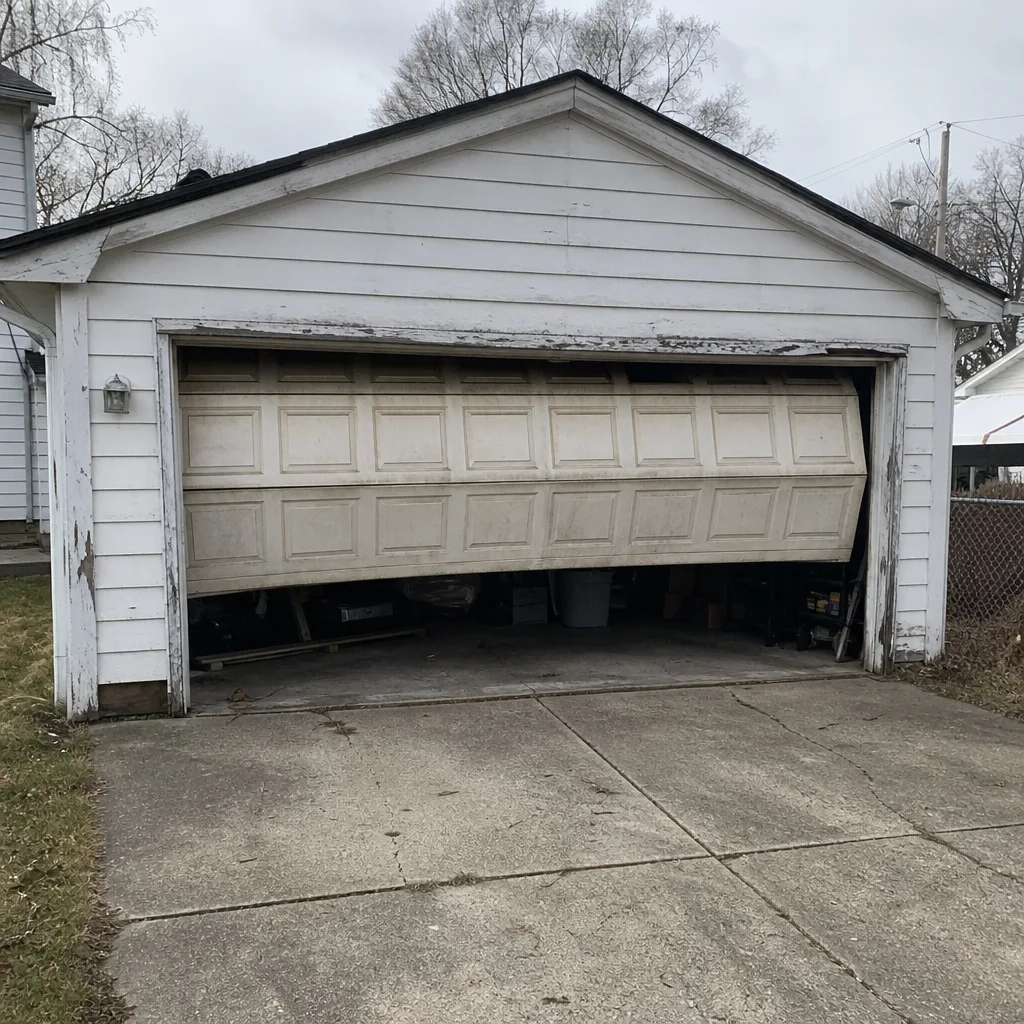 Before
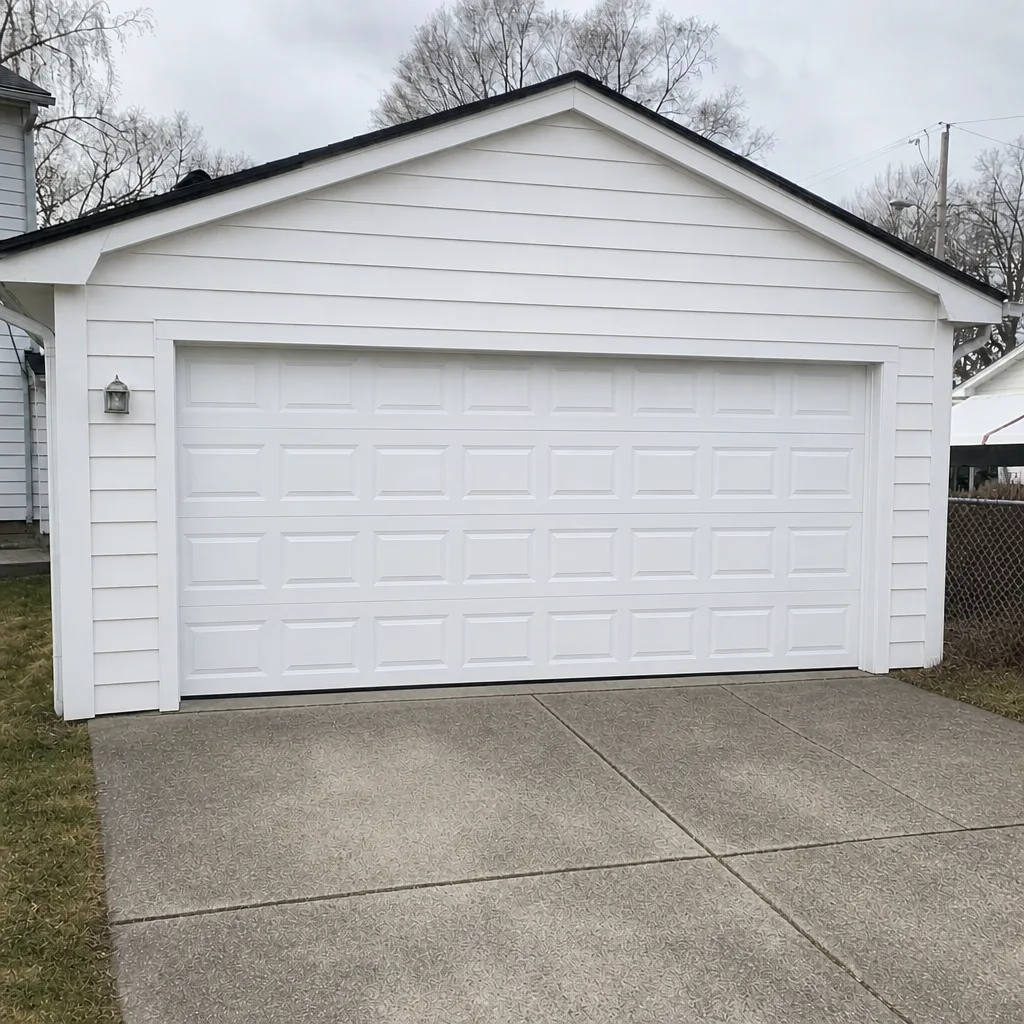 After
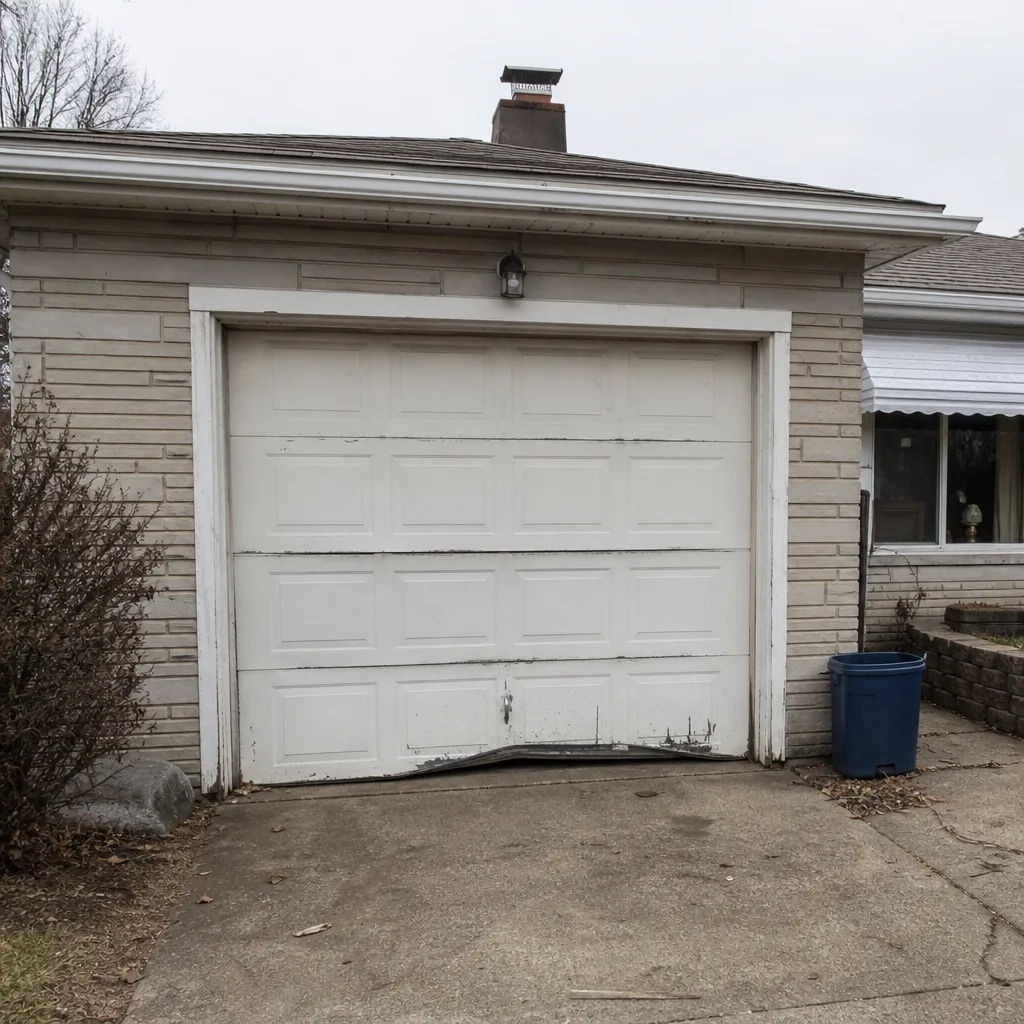 Before
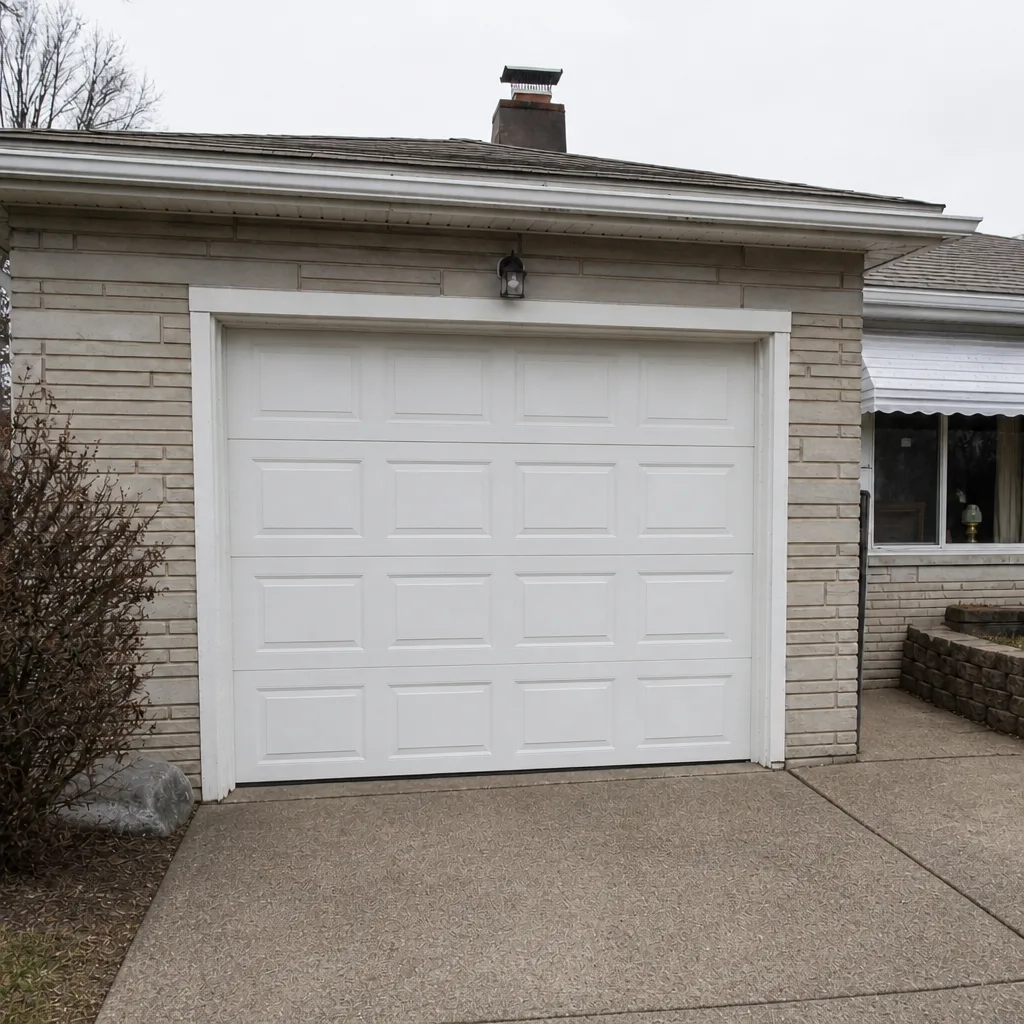 After
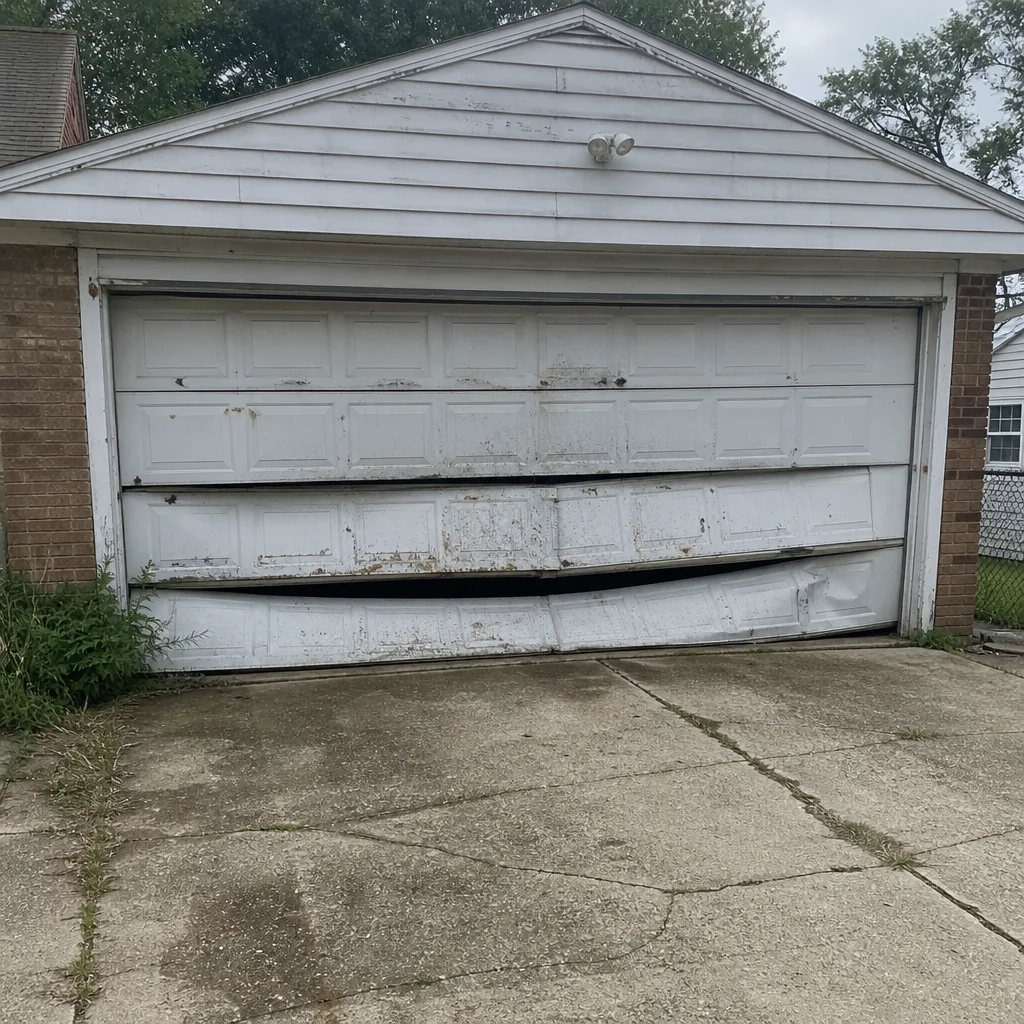 Before
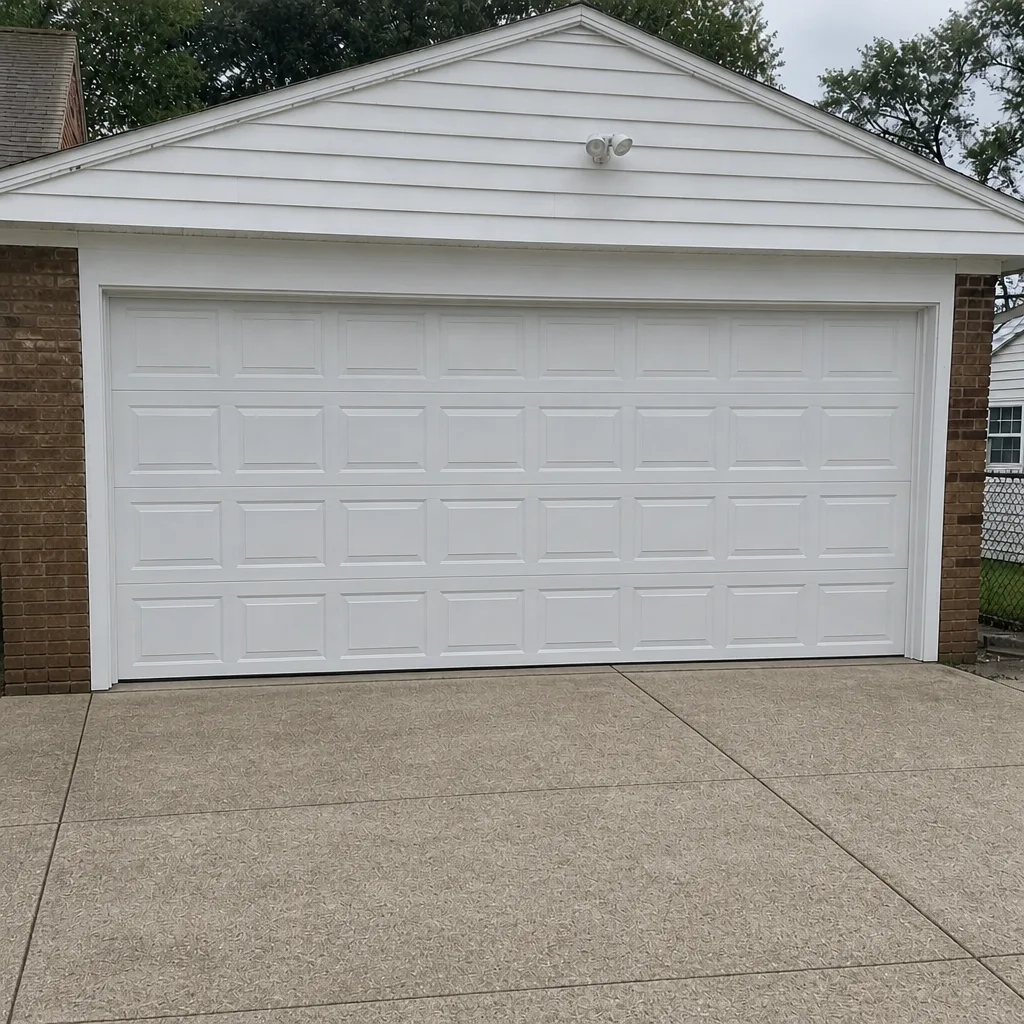 After
When to Call a Professional
Some garage door questions are DIY-adjacent. Most aren’t. A permit question isn’t: if you’re not sure whether your project needs one, the answer requires a phone call to the building department, and the project scope has to be right first. If your garage door has a broken spring, a bent track, or an opener that’s running but the door isn’t moving, that’s a job for a trained technician before anything else. Spring work in particular is one of the most dangerous jobs in the trade. Torsion and extension springs store enough energy to cause serious injury if a homeowner tries to adjust one without the right tools and training. Don’t. Call us. The same goes for the header, the framing, and the electrical. If your project involves any of those, it’s a permit-and-professional job.
Warren Garage Door Repair Pros offers free estimates in Warren. We’ll look at the door, tell you whether the work you’re planning triggers a permit, and give you a written estimate before anything starts. We handle garage door spring repair and garage door opener repair every week in Warren, and we know what Warren’s inspectors look for. Call (866) 928-4063.
Frequently Asked Questions
Usually no, as long as you’re replacing the door with the same size in the same opening using the same framing. A permit is typically triggered when the opening size changes, the header is altered, new electrical work is added, or a one-car bay is converted to a two-car bay. Call Warren’s Building Department to confirm your specific project before work starts. Call (866) 928-4063 for a free estimate on the door itself.
Ask for the permit number before work starts, then call Warren’s Building Department and confirm it against your address. Any contractor pulling a permit has the number within a business day or two. A careful homeowner asks for the permit number and the inspection sign-off; a vague answer, or a reason not to share the number, is a warning sign. Call (866) 928-4063 if you want to talk through whether your project needs one.
The buyer’s inspector can flag evidence of unpermitted work, and the buyer’s agent can ask for documentation. The permit record and inspection sign-off are what clears the project at resale. Without them, the sale can be delayed or the price negotiated down. Remediation after the fact is usually more expensive than doing it right the first time. The permit fee is minor compared to the cost of opening walls to show framing. Call (866) 928-4063 for a free estimate on the door work.
It depends on the wiring. Replacing an existing opener on an existing plug-in setup usually doesn’t need an electrical permit. Running a new circuit from the panel, replacing old wiring, or extending a circuit for a second opener usually does. In Warren, the electrical permit is typically pulled by a licensed electrician, and the electrical inspection is separate from the building inspection. Ask the contractor who’s pulling which permit. Call (866) 928-4063 for a free estimate.
No, not for the work agreed to. The written estimate is the price for that scope of work. If we find something that changes the scope, we’ll tell you before we start, and you approve the change before any work continues. We don’t add fees after the fact. That’s how the price stays predictable, and it’s why we put everything in writing. Call (866) 928-4063 for a free estimate.
The technicians who come to your home are experienced, and we work only in the garage door trade. Our technicians have up to 11 years of experience. Licensing and insurance requirements vary by project and by jurisdiction, so anytime you hire a contractor for a garage door project in Warren, ask for the license and insurance documentation up front. Call (866) 928-4063 for a free estimate.
The Bottom Line
Like-for-like replacement in Warren usually doesn’t need a permit. Changing the opening, altering the framing, adding new wiring, or converting the garage’s use usually does. When it does, the permit is a small cost and the inspection record is the document that protects you at resale. Do the paperwork, get the sign-off, and hire a contractor who puts the answer in writing. If you’re not sure which category your project falls into, call Warren’s Building Department, then call us. We work on garage doors exclusively, we work on all the major brands, and we’ll tell you what the project actually involves before anything starts. One call, one full fix.
Contact
Whether you’re planning a new installation, chasing a permit question, or dealing with a door that won’t open, we can help. Call Warren Garage Door Repair Pros at (866) 928-4063 for a free estimate. We answer 24/7. Fast dispatch from 7am to 7pm, Sunday through Friday. Our team is ready to walk you through the permit question, the inspection, and the work itself. And if you’re coming from our main page, you’re in the right place. Call (866) 928-4063 today.
Written by the team at Warren Garage Door Repair Pros.