
Top Signs You Need Garage Door Service – Don’t Ignore These
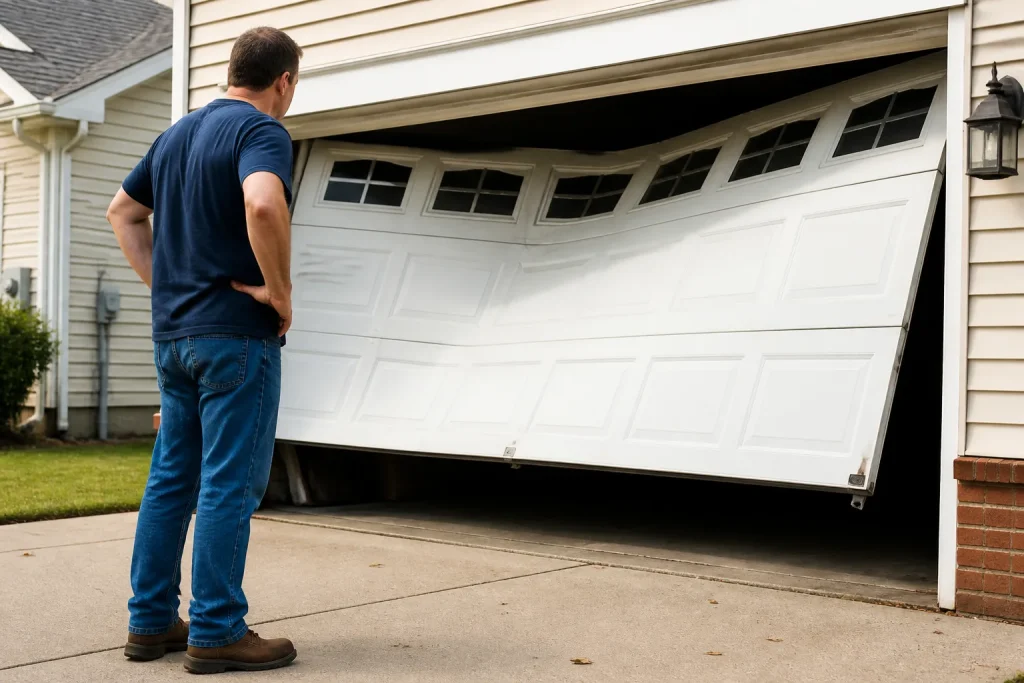
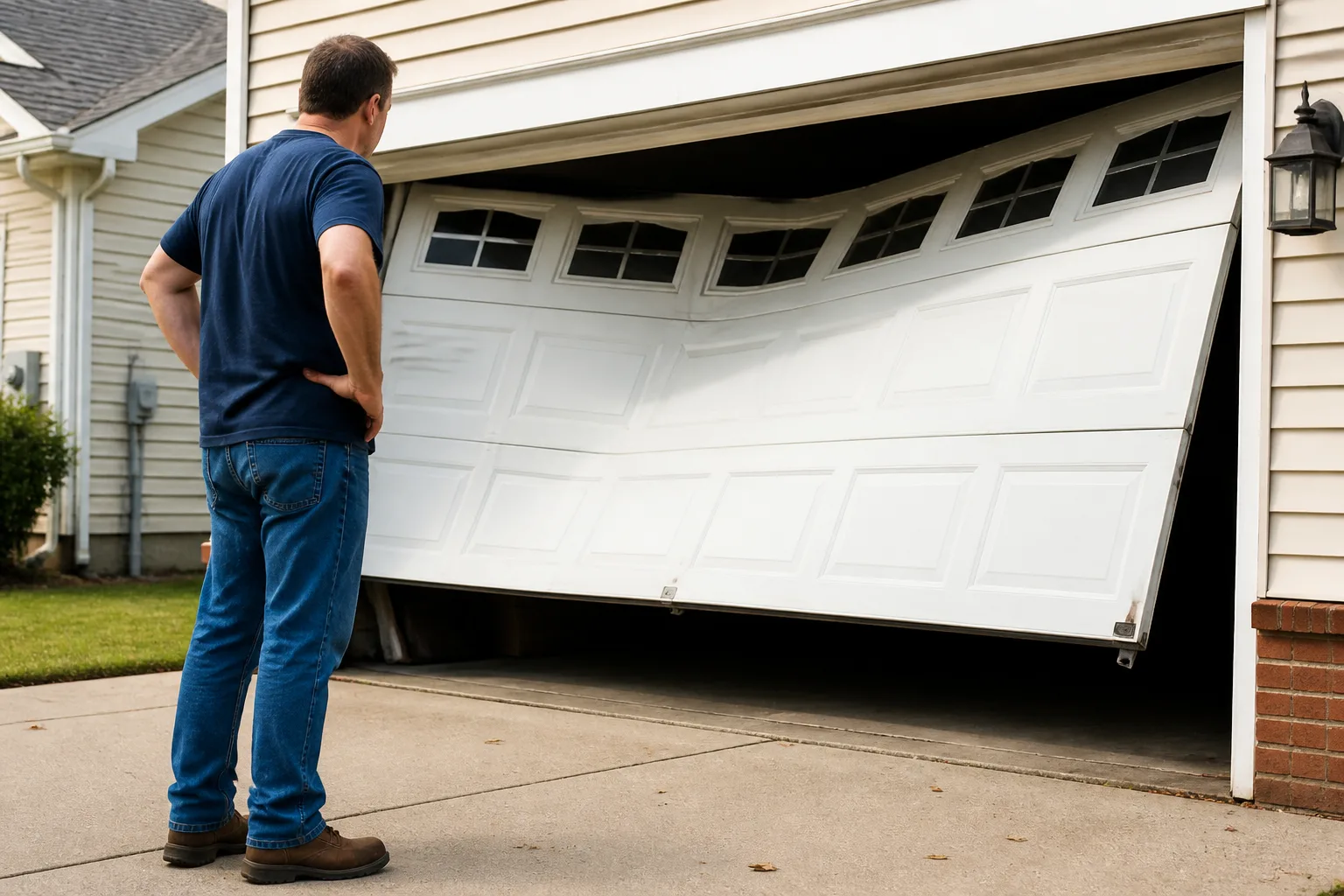
Most garage door failures announce themselves weeks before anything breaks. The door gets a little louder, a little slower, a little less willing to close all the way. Homeowners write it off as normal aging right up until a spring snaps or the door comes off its track. The warning signs are specific, and they’re worth knowing. Here’s what to listen and look for in Warren before a small fix turns into a same-day emergency.
If you’d rather not climb a ladder and test the hardware yourself, call (866) 928-4063. We answer 24/7.
What Are the Earliest Warning Signs Your Garage Door Needs Service?
The earliest sign is usually a change in how the door sounds or moves. A door that takes two seconds longer to open than it did six months ago isn’t “just getting old.” That lag often means a torsion spring is losing tension, and every spring has a finite number of cycles before it fails. Catching that early is the difference between a scheduled repair and a snapped spring with your car trapped inside. In our experience across Warren, the homeowners who avoid emergencies are the ones who notice small changes and act on them.
Here are the signals we’d never wave off:
- Slower opening or closing. The door hesitates, stutters, or moves unevenly.
- A single loud bang from the garage. That’s often a spring failing, not a car door slamming.
- The door reverses before it touches the floor. Something in the travel or sensor path is off.
- Visible gaps at the bottom or sides. Weatherstripping has started to fail.
- Loose or wobbling panels. The door is working harder than it should.
- The opener runs but the door doesn’t move. A drive or disconnect problem is in play.
One or two of these is worth a service call. Three or more at once means stop using the door until someone looks at it, because running a failing system wears the opener and the tracks along with it.
What Do Grinding, Squealing, and Popping Sounds Actually Mean?
Different sounds point to different failing parts. Grinding, squealing, and popping are not interchangeable – each has a specific meaning, and knowing which one you’re hearing helps a technician diagnose the job faster. We ask Warren homeowners to describe the noise before we arrive, and it usually narrows the problem down before we start.
- Grinding usually comes from a roller, hinge, or track problem. Metal on metal is a friction issue, and it wears parts faster the longer it runs.
- Squealing tends to be a dry or worn roller, or a lack of lubrication at the moving joints. Squealing alone is rarely urgent, but left alone it stresses the opener.
- Popping or a single sharp bang is the sound most often tied to spring failure. It can also signal a cable that’s jumped its drum. Either way, treat it as a stop-and-call moment.
- Rattling over the whole door points to loose hardware, worn rollers, or a balance problem.
If you hear anything that sounds like a bang, don’t run the door to “check if it still works.” A spring under tension is one of the most dangerous parts of the whole system. This is exactly the work our garage door spring repair covers, and it needs trained hands, not a general fix-it approach. For cables or rollers, a standard garage door repair visit handles the diagnosis.
How Do You Test Garage Door Balance in Under a Minute?
A balance test tells you whether the springs and cables are carrying the door’s weight the way they should. It takes under 60 seconds and needs no tools, and it reveals tension problems that are invisible to the eye. Here’s how it works:
- Close the door fully, then disconnect the opener using the manual release cord.
- Lift the door by hand to about halfway open, then let go gently.
- A healthy door holds roughly where you left it. A door that slams down or drifts on its own has a balance problem.
If the door drops or won’t hold, don’t keep forcing it. A door that’s out of balance is often a spring or cable issue, and those are the parts we ask homeowners to leave alone. For anyone in Warren who’d rather not test it, a technician can check the balance, cable tension, and spring condition in one visit. We work on equipment from brands like Clopay, Amarr, and Wayne Dalton, so we’re familiar with the door that’s actually on your house, not a generic guess.
Safety note: never try to adjust or replace springs or cables yourself. Those parts carry serious stored tension, and a mistake can cause serious injury. A trained technician is the right call here every time.
Why Does an Opener That Reverses Suddenly Matter?
When a garage door reverses on its own, the cause is usually a safety sensor or limit setting, not the opener giving up. The risk here isn’t just annoyance – a door that reverses unexpectedly is a safety problem. Reversing is what the system is designed to do if it senses an obstruction, but when it happens with nothing in the path, something is misaligned or failing, and the door may not stop where it should.
Common causes include:
- Dirty, knocked, or misaligned safety sensors near the floor
- Sunlight hitting the sensor lens at certain times of day
- A limit switch or travel setting that’s drifted out of place
- A failing logic board or worn drive gear on older units
This is where brand familiarity matters. Openers from LiftMaster, Chamberlain, Genie, and Craftsman all handle sensors and limits differently, and a technician who knows the system diagnoses it without trial and error. Our garage door opener repair handles both legacy units and newer smart or Wi-Fi-enabled models. If a sensor is just dirty, that’s a quick free fix. If the opener’s failing, we’ll tell you straight.
How Do Freeze-Thaw Cycles Wreck Weatherstripping in Warren?
Northeast Ohio’s freeze-thaw pattern is hard on weatherstripping. Water gets into small cracks during the day, freezes overnight, expands, and widens the gap. Repeat that over a winter and the rubber at the bottom and sides of the door starts to crack, peel, or pull away entirely. What looks like a small cosmetic issue becomes a real one – cold air, moisture, and pests get in, and your heating system works harder to make up the difference. We see this pattern in Warren every year once the temperature starts bouncing above and below freezing.
Signs your weatherstripping needs attention:
- Visible cracks or tears in the bottom seal
- The seal sits flat instead of pressing against the floor
- Daylight showing at the bottom or sides of a closed door
- Water on the garage floor after rain or snowmelt
- A draft you can feel near the door on cold mornings
Replacing the bottom seal and side strips is one of the simpler, more affordable repairs we handle, and it’s worth doing before another winter. Sometimes the door itself has started to warp from moisture at the bottom panel – at that point it’s worth checking whether a new door is the better long-term call.
What Monthly Visual Checklist Catches Most Problems Early?
A five-minute visual inspection once a month flags most problems before they escalate. Nothing on this list requires tools or climbing, and it’s the single best habit for anyone who relies on their garage door daily.
- Look at the springs. A visible gap in a torsion spring means it’s already broken. Don’t touch it – call for service.
- Check the cables. Look for fraying, kinks, or slack on either side. Worn cables are a safety issue.
- Inspect rollers. Worn or cracked rollers make the door noisy and uneven.
- Wiggle the panels. Loose hinges and bolts work themselves free over time.
- Check the tracks. Dents, bends, or debris in the tracks cause the door to bind.
- Test the weatherstripping with your hand at the bottom and sides of a closed door.
- Watch the whole door travel once a month – open and close it and listen for anything new.
If any item on this list looks off, that’s your signal to call. A trained eye catches problems a homeowner might miss, and our technicians have up to 11 years of experience across the trade. If you’ve done the checklist yourself and something’s clearly wrong, we’d rather you call than run the door until it breaks.
Related services in Warren: for a repair or diagnosis on a door that’s making noise or moving wrong, our garage door repair page covers what a visit involves. For a door that’s reached the end of its life, we also install new doors and can talk through Clopay, Amarr, and Wayne Dalton options with you.
The Bottom Line
The signs are rarely dramatic at first. A slightly slower door, a new noise, a small gap at the bottom – that’s the system telling you something’s wearing. Catching those signals early is how you avoid a snapped spring and a car stuck inside at the worst possible moment. The monthly checklist, the balance test, and a call when you hear something new are enough to stay ahead of most problems.
If you’re in Warren and need help, Warren Garage Door Repair Pros offers free estimates – call (866) 928-4063. We answer 24/7. Fast dispatch from 7am to 7pm, Sunday through Friday. Our team works exclusively in the garage door trade, on spring repair, opener repair, panel and door repair, and full new installations. Installed, repaired, replaced – we handle the whole door. Warren Garage Door Repair Pros.
Frequently Asked Questions
How do I know if my garage door needs repair? The clearest signals are a change in sound or speed, a door that reverses on its own, visible gaps in weatherstripping, or a door that won’t hold halfway when you run a balance test. Any of these is worth a call – and a sharp bang from the garage means stop using the door and call for service. Call (866) 928-4063 for a free estimate.
What does it mean if my garage door opens slowly? A slow door usually means a torsion spring has lost tension or the opener is straining to lift the door’s weight. It’s often one of the first signs of a spring that’s nearing the end of its cycles. Left alone, it wears the opener faster. We can diagnose the cause and give you a written price before any work starts. Call (866) 928-4063.
Is a loud bang from the garage always a spring breaking? Almost always, yes. A single sharp bang is the classic sound of a torsion spring failing. Occasionally it’s a cable that’s jumped its drum. Either way, don’t run the door – a failed spring or cable means the door’s weight is unsupported. We answer 24/7 and can book you into the next dispatch window. Call (866) 928-4063 for a free estimate.
Can I fix a garage door spring myself? No. Springs and cables carry serious stored tension, and a mistake can cause serious injury. This is the one part of the system we always recommend leaving to a trained technician. Our team handles spring repair as a specialty and can check the rest of the door at the same time. Call (866) 928-4063 for a free estimate – the price is quoted and agreed before any work begins.
Written by the team at Warren Garage Door Repair Pros.
Need Garage Door Help?
Call Warren Garage Door Repair Pros - the local pro we connect you with is licensed and insured, here with fast help in Warren.
(866) 928-4063